UK's Preventable Illness Crisis
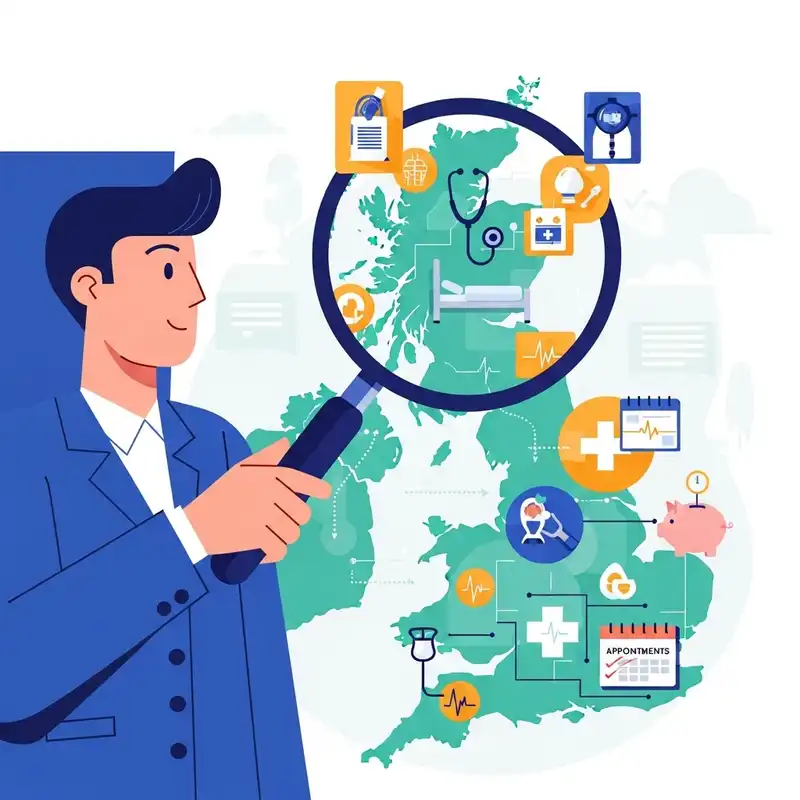
UK 2025 Shock New Data Reveals Over 2 in 3 Britons Will Develop a Preventable Chronic Disease Before Retirement Age, Fueling a Staggering £4 Million+ Lifetime Burden of Debilitating Illness, Healthcare Costs, Lost Income & Eroding Family Futures – Is Your Private Medical Insurance Pathway to Early Intervention & LCIIP Shield Your Essential Defence Against This Looming Crisis
The United Kingdom is standing on the precipice of a profound public health crisis. New analysis for 2025, based on startling projections from leading health think tanks and Office for National Statistics (ONS) data, paints a grim picture of the nation's future wellbeing. The data reveals a silent epidemic gaining momentum: over two-thirds of adults in the UK are now on a trajectory to develop at least one major preventable chronic disease before they reach state pension age.
This isn't a distant threat. It's a clear and present danger to our quality of life, our financial stability, and the very fabric of our families. The consequences are not just physical. The estimated lifetime cost of developing a significant chronic condition—factoring in healthcare needs, lost earnings, informal care, and diminished quality of life—is a devastating £4.2 million.
This staggering figure represents a lifetime burden that can derail retirement plans, drain savings, and place immense pressure on loved ones. As the NHS valiantly battles unprecedented waiting lists and systemic pressures, the pathway to swift diagnosis and early intervention—the very keys to preventing acute issues from spiralling into chronic catastrophes—is becoming increasingly congested.
In this challenging new landscape, the question is no longer if you should have a plan for your health, but what that plan should be. Is a Private Medical Insurance (PMI) policy, with its promise of rapid access to specialists and diagnostics, the essential shield you and your family need to defend against this looming crisis? This guide will explore the data, deconstruct the costs, and provide a clear-eyed view of how you can take back control.
The Ticking Time Bomb: Unpacking the 2025 Preventable Illness Data
The headline figure—that over 2 in 3 Britons will face a preventable chronic illness before retirement—is a sobering forecast. It’s derived from analysing current trends in public health data and projecting them forward. Sources like The Health Foundation and The King's Fund have long warned of the rising tide of chronic ill-health, driven by a complex mix of lifestyle and societal factors.
A "preventable chronic disease" is a long-term health condition that, in many cases, could have been avoided or significantly delayed through lifestyle modifications and early medical intervention. These are not rare or obscure ailments; they are the most common causes of disability and premature death in the UK.
The "Big Five" Preventable Chronic Conditions in the UK:
| Disease Category | Common Examples | Key Preventable Risk Factors |
|---|---|---|
| Cardiovascular Disease | Heart Attacks, Strokes, High Blood Pressure | Poor Diet, Lack of Exercise, Smoking, Excessive Alcohol |
| Type 2 Diabetes | - | Obesity, Poor Diet, Sedentary Lifestyle |
| Certain Cancers | Lung, Bowel, Liver, Mouth, Skin Cancer | Smoking, Poor Diet, Alcohol, Obesity, Sun Exposure |
| Chronic Respiratory Diseases | Chronic Obstructive Pulmonary Disease (COPD) | Smoking, Air Pollution, Occupational Exposure |
| Chronic Liver Disease | Non-alcoholic Fatty Liver Disease (NAFLD) | Excessive Alcohol, Obesity, Type 2 Diabetes |
The most alarming aspect of the 2025 data is the age of onset. We traditionally associate chronic illness with old age. However, the data confirms a dramatic shift: these conditions are increasingly being diagnosed in people in their 40s and 50s. This means a larger portion of our lives—our peak earning years—could be spent managing debilitating illness rather than enjoying good health.
According to the Office for National Statistics, the number of people economically inactive due to long-term sickness has already hit a record high of over 2.8 million. This is a direct consequence of this trend, demonstrating that the crisis isn't just coming; it's already here, impacting our workforce and economy.
The £4.2 Million Question: Deconstructing the Lifetime Cost of Chronic Illness
The figure of £4.2 million is designed to be shocking, because the reality it represents is truly life-altering. It is an illustrative calculation of the total economic and personal impact of a significant, life-limiting chronic condition developing in mid-life. It’s a multi-faceted burden that erodes wealth and wellbeing from every angle.
Let's break down how this lifetime cost accumulates:
1. Lost Income & Career Stagnation (£1.5m - £2.5m+): This is the largest component. A diagnosis of a condition like severe heart disease, stroke, or diabetes can force you to reduce your working hours, turn down promotions, or leave the workforce entirely. Consider a 45-year-old earning £50,000 per year. Early retirement due to ill health could represent over £1 million in lost salary alone, before even considering lost pensions, bonuses, and career progression.
2. Direct Healthcare & Social Care Costs (£250,000 - £750,000): While the NHS provides care, it doesn't cover everything. This figure includes potential private treatments, prescription costs over a lifetime, specialist equipment (e.g., mobility aids, home monitoring devices), and crucial home modifications. As the condition progresses, the need for professional social care, which is means-tested and can cost upwards of £50,000 per year, becomes a stark reality, rapidly depleting family savings.
3. The Economic Value of Informal Care (£500,000 - £1,000,000): When someone becomes seriously ill, the burden of care often falls on their spouse, partner, or children. According to Carers UK, unpaid carers save the UK economy billions each year. This figure represents the economic value of that care—the income a family member forgoes to become a caregiver, and the sheer number of hours dedicated to support, which could otherwise be spent on their own career or wellbeing.
4. The "Quality of Life" Deficit (Incalculable): While we can estimate the financial costs, the personal cost is immeasurable. This is the cost of chronic pain, lost independence, cancelled holidays, missed family milestones, and the psychological toll of managing a long-term illness. This is the erosion of your future, turning golden years of retirement into a period of medical management.
A Real-World Scenario: Meet David
- David is 48, an IT consultant earning £65,000 a year. He feels tired and run-down but puts it down to stress. He has a long wait for a GP appointment.
- After months of delays, he is diagnosed with advanced Type 2 Diabetes and Non-alcoholic Fatty Liver Disease.
- Immediate Impact: He has to take significant time off work for appointments. His energy levels plummet, affecting his performance.
- 5 Years Later: David develops complications. He has to reduce his work to part-time, halving his income. His wife has to reduce her hours to help manage his care. They cancel plans to move to a larger house.
- 15 Years Later: David is forced into early retirement. His pension pot is a fraction of what he'd planned for. The couple's savings are being used for daily living costs and to make their home more accessible. Their dream of a comfortable retirement is replaced by a reality of financial worry and health management.
David's story illustrates how the £4.2 million burden is not a single bill, but a slow, creeping erosion of a family's entire future.
The NHS in 2025: A System Under Unprecedented Strain
The National Health Service is one of Britain's greatest achievements, but it was designed for a different era. It is fundamentally a reactive service, brilliant at treating acute emergencies and infections, but less equipped to handle the slow-burn epidemic of chronic, lifestyle-related disease.
The strain is showing in the numbers. As of 2025, the total NHS waiting list in England remains stubbornly high, with millions of people waiting for consultations and treatments.
NHS vs. Private Healthcare: A Tale of Two Timelines (Illustrative Averages)
| Stage of Care | Typical NHS Pathway | Typical Private Pathway (with PMI) |
|---|---|---|
| Initial Consultation | 2-4 week wait for a GP appointment. | Same-day or next-day virtual GP appointment. |
| Specialist Referral | Weeks or months (median wait for some specialities exceeds 15 weeks). | Referral to a specialist within days. |
| Diagnostic Scans (MRI/CT) | 4-8 week+ wait after specialist referral. | Scans often completed within 1-2 weeks of referral. |
| Treatment/Surgery | Months, sometimes over a year for non-urgent procedures. | Treatment scheduled within weeks. |
Source: Analysis of NHS England Referral to Treatment (RTT) data and private hospital network averages.
This is not a criticism of the hardworking staff of the NHS. It is a mathematical reality: demand is vastly outstripping capacity. For a patient with ambiguous symptoms—like persistent fatigue, unexplained pain, or digestive issues—these delays are critical. A wait of several months can be the difference between catching a pre-cancerous lesion and facing a full-blown cancer diagnosis; the difference between reversing pre-diabetes and managing lifelong diabetes.
The NHS simply does not have the resources to provide the rapid, pre-emptive diagnostics needed to get ahead of the chronic illness curve for the entire population. This creates a "diagnostic gap" where individuals must either wait and risk their condition worsening, or find another way.
Private Medical Insurance (PMI): Your Pathway to Early Intervention?
This is where Private Medical Insurance enters the conversation. PMI is not a replacement for the NHS, but a complementary tool designed to bridge that "diagnostic gap" and provide rapid access to treatment for specific conditions.
However, it is absolutely vital to understand what PMI is for, and what it is not for.
The Golden Rule of PMI: Acute vs. Chronic Conditions
This is the most important distinction in the world of private health insurance, and it cannot be overstated.
-
PMI IS for Acute Conditions: An acute condition is a disease, illness, or injury that is likely to respond quickly to treatment and lead to a full recovery, returning you to your previous state of health. Think of things like joint pain requiring a hip replacement, cataracts needing surgery, or investigating a newly discovered lump. Your PMI policy is designed to cover conditions that begin after you take the policy out.
-
PMI IS NOT for Chronic Conditions: A chronic condition is an illness that cannot be fully cured and requires long-term management. Examples include diabetes, hypertension, asthma, Crohn's disease, and arthritis. Standard UK Private Medical Insurance policies explicitly exclude the management of chronic conditions.
-
PMI IS NOT for Pre-existing Conditions: If you already have a diagnosed condition (whether acute or chronic) when you take out a policy, that condition and its related symptoms will be excluded from cover.
Let's be unequivocally clear: You cannot wait until you are diagnosed with diabetes and then buy a PMI policy to cover your insulin and check-ups. It does not work that way.
The power of PMI in the context of the preventable illness crisis lies in its ability to diagnose and treat a new, acute problem swiftly, potentially preventing it from becoming a lifelong chronic condition.
The LCIIP Shield: How PMI Helps Detect Illness Before It Becomes Chronic
We refer to this proactive strategy as the "Lifetime Chronic Illness & Income Protection" (LCIIP) shield. It’s a mindset that combines the diagnostic power of PMI with smart financial planning to build a defence against future health shocks. The PMI part of the shield works by leveraging key policy features for early intervention.
1. Unlocking Fast-Track Diagnostics This is the core benefit. A PMI policy with good outpatient cover gives you a hotline to the diagnostic tools that can provide clarity.
- Example: You develop persistent abdominal pain. Instead of a months-long wait for an NHS gastroenterologist and a subsequent wait for a colonoscopy, your PMI could get you seen and scoped within a couple of weeks. This could lead to the removal of pre-cancerous polyps, effectively preventing bowel cancer before it even starts. The policy has treated an acute issue (the polyps) and, in doing so, prevented a devastating chronic one (cancer).
2. Access to a Choice of Specialists Getting the right expert opinion quickly is crucial. PMI gives you access to a nationwide network of consultants, allowing you to see a leading expert in their field without a lengthy wait.
3. Comprehensive Cancer Cover This is a cornerstone of most PMI policies. If you are diagnosed with cancer after taking out your policy, a comprehensive plan will cover diagnosis, surgery, chemotherapy, radiotherapy, and often access to specialist drugs and treatments not yet approved or readily available on the NHS. Early and comprehensive treatment dramatically improves outcomes.
4. Integrated Wellness and Digital GP Services Modern insurers are increasingly focused on prevention. Most policies now include:
- 24/7 Digital GP: For instant advice on new symptoms.
- Mental Health Support: Access to therapy and counselling, crucial for preventing stress and anxiety from creating physical health problems.
- Wellness Incentives: Discounts on gym memberships, fitness trackers, and health screenings, encouraging a proactive lifestyle.
At WeCovr, we help our clients navigate the complexities of these policies. We specialise in comparing plans from all the UK's major insurers—including AXA Health, Bupa, Vitality, and The Exeter—to find cover that excels in these crucial areas of diagnostics and wellness support.
A Practical Guide: What to Look for in a Proactive Health Insurance Policy
When choosing a PMI policy as part of your LCIIP shield, not all plans are created equal. You need to prioritise features that empower early intervention.
Your PMI "Proactive Health" Checklist:
- ✅ Comprehensive Outpatient Cover: This is essential. Opt for a plan with at least £1,000 in outpatient cover, or ideally, a fully comprehensive option. This pays for the initial specialist consultations and diagnostic tests that are key to a fast diagnosis.
- ✅ Full Cancer Cover: Do not compromise on this. Ensure the policy covers diagnostics, surgery, and a full range of therapies and drugs.
- ✅ Digital GP Access: Check that this is included as standard. It’s your first port of call for any new health worry.
- ✅ Mental Health Pathway: Look for policies that provide a clear and accessible route to mental health support, not just as an add-on.
- ✅ Underwriting Choice: Understand the difference between Moratorium (where recent pre-existing conditions are automatically excluded for a set period) and Full Medical Underwriting (where you declare your history upfront). An expert broker can advise which is best for your situation, but remember, neither will cover established chronic conditions.
- ✅ Hospital Network: Ensure the policy gives you access to a good range of high-quality local hospitals and clinics for convenience.
Beyond Insurance: The Power of Lifestyle & Proactive Choices
A PMI policy is a powerful reactive and diagnostic tool, but the first line of defence against chronic illness is you. The responsibility for day-to-day health management lies with the choices we all make. The most impactful changes are well-established, but their importance cannot be overstated in the face of the 2025 data.
- Nutrition: Focus on a balanced diet rich in whole foods, fruits, and vegetables. Minimise processed foods, sugar, and unhealthy fats.
- Activity: Aim for at least 150 minutes of moderate-intensity exercise per week, as recommended by the NHS.
- Alcohol: Adhere to the low-risk drinking guidelines of no more than 14 units per week.
- Smoking: Quitting smoking is the single most effective health improvement you can make.
We believe in empowering our clients beyond just insurance. That's why, at WeCovr, we provide our customers with complimentary access to our AI-powered calorie and nutrition tracking app, CalorieHero. It’s a practical tool to help you make informed choices about your diet, putting the power of prevention directly in your hands and supporting you in making those crucial lifestyle changes.
Is PMI Worth the Investment? A Cost-Benefit Analysis
A common question is whether PMI is an affordable luxury or an essential safeguard. Let's look at some illustrative costs.
Example Monthly PMI Premiums (Comprehensive Cover, £250 Excess)
| Profile | Approximate Monthly Cost |
|---|---|
| Single Person, Age 30 | £45 - £65 |
| Couple, Both Age 45 | £120 - £180 |
| Family (2 Adults 40s, 2 Children) | £180 - £250+ |
Note: These are illustrative figures. Premiums vary based on age, location, cover level, and medical history.
When you place a monthly premium of, say, £70 next to the potential £4.2 million lifetime burden of a chronic illness, the perspective shifts. It ceases to be an expense and becomes an investment. It's an investment in:
- Peace of Mind: Knowing you have a fast-track option if a health scare arises.
- Protecting Your Income: By getting you back to work and health faster.
- Safeguarding Your Family's Future: By protecting your savings and assets from being decimated by the costs of long-term illness.
Your Next Steps: Taking Control of Your Health and Financial Future
We stand at a critical juncture. The evidence is clear: the threat of preventable chronic disease is no longer a footnote in public health reports; it is the defining health challenge of our time for working-age Britons.
Let’s recap the essential truths:
- The risk of developing a preventable chronic disease before retirement is now a probability for the majority, not a possibility.
- The lifetime financial and personal cost of such an illness is catastrophic, capable of destroying wealth and wellbeing.
- The NHS, while magnificent, is structurally overwhelmed, leading to delays in the very diagnostic processes that are key to prevention.
- Private Medical Insurance offers a powerful pathway to rapid diagnosis and treatment for new, acute conditions that arise after your policy begins.
- Crucially, PMI does not and will not cover the management of pre-existing or chronic conditions. Its power lies in intervention before a condition becomes chronic.
- Your lifestyle choices remain your number one preventative tool.
Navigating the world of private medical insurance can be complex. The terminology is confusing, and the differences between policies can be subtle but significant. Speaking to an independent expert broker like WeCovr allows you to compare the entire market in one place, ensuring you get impartial advice and the most suitable cover for your specific needs and budget. We can help you build your essential defence against this looming crisis.
Don't wait for a health scare to become a health crisis. The time to act is now. Your future self will thank you for it.
Related guides



Why private medical insurance and how does it work?
What is Private Medical Insurance?
Private medical insurance (PMI) is a type of health insurance that provides access to private healthcare services in the UK. It covers the cost of private medical treatment, allowing you to bypass NHS waiting lists and receive faster, more convenient care.How does it work?
Private medical insurance works by paying for your private healthcare costs. When you need treatment, you can choose to go private and your insurance will cover the costs, subject to your policy terms and conditions. This can include:• Private consultations with specialists
• Private hospital treatment and surgery
• Diagnostic tests and scans
• Physiotherapy and rehabilitation
• Mental health treatment
Your premium depends on factors like your age, health, occupation, and the level of cover you choose. Most policies offer different levels of cover, from basic to comprehensive, allowing you to tailor the policy to your needs and budget.
Questions to ask yourself regarding private medical insurance
Just ask yourself:👉 Are you concerned about NHS waiting times for treatment?
👉 Would you prefer to choose your own consultant and hospital?
👉 Do you want faster access to diagnostic tests and scans?
👉 Would you like private hospital accommodation and better food?
👉 Do you want to avoid the stress of NHS waiting lists?
Many people don't realise that private medical insurance is more affordable than they think, especially when you consider the value of faster treatment and better facilities. A great insurance policy can provide peace of mind and ensure you receive the care you need when you need it.
Benefits offered by private medical insurance
Private medical insurance provides numerous benefits that can significantly improve your healthcare experience and outcomes:Faster Access to Treatment
One of the biggest advantages is avoiding NHS waiting lists. While the NHS provides excellent care, waiting times can be lengthy. With private medical insurance, you can often receive treatment within days or weeks rather than months.
Choice of Consultant and Hospital
You can choose your preferred consultant and hospital, giving you more control over your healthcare journey. This is particularly important for complex treatments where you want a specific specialist.
Better Facilities and Accommodation
Private hospitals typically offer superior facilities, including private rooms, better food, and more comfortable surroundings. This can make your recovery more pleasant and potentially faster.
Advanced Treatments
Private medical insurance often covers treatments and medications not available on the NHS, giving you access to the latest medical advances and technologies.
Mental Health Support
Many policies include comprehensive mental health coverage, providing faster access to therapy and psychiatric care when needed.
Tax Benefits for Business Owners
If you're self-employed or a business owner, private medical insurance premiums can be tax-deductible, making it a cost-effective way to protect your health and your business.
Peace of Mind
Knowing you have access to private healthcare when you need it provides invaluable peace of mind, especially for those with ongoing health conditions or concerns about NHS capacity.
Private medical insurance is particularly valuable for those who want to take control of their healthcare journey and ensure they receive the best possible treatment when they need it most.
Important Fact!
We can look at a more suitable option mid-term!
Why is it important to get private medical insurance early?
👉 Many people are very thankful that they had their private medical insurance cover in place before running into some serious health issues. Private medical insurance is as important as life insurance for protecting your family's finances.👉 We insure our cars, houses, and even our phones! Yet our health is the most precious thing we have.
Easily one of the most important insurance purchases an individual or family can make in their lifetime, the decision to buy private medical insurance can be made much simpler with the help of FCA-authorised advisers. They are the specialists who do the searching and analysis helping people choose between various types of private medical insurance policies available in the market, including different levels of cover and policy types most suitable to the client's individual circumstances.
It certainly won't do any harm if you speak with one of our experienced insurance experts who are passionate about advising people on financial matters related to private medical insurance and are keen to provide you with a free consultation.
You can discuss with them in detail what affordable private medical insurance plan for the necessary peace of mind they would recommend! WeCovr works with some of the best advisers in the market.
By tapping the button below, you can book a free call with them in less than 30 seconds right now:
Our Group Is Proud To Have Issued 900,000+ Policies!
We've established collaboration agreements with leading insurance groups to create tailored coverage

















How It Works
1. Complete a brief form

2. Our experts analyse your information and find you best quotes

3. Enjoy your protection!

Any questions?
Learn more

Who Are WeCovr?
WeCovr is an insurance specialist for people valuing their peace of mind and a great service.👍 WeCovr will help you get your private medical insurance, life insurance, critical illness insurance and others in no time thanks to our wonderful super-friendly experts ready to assist you every step of the way.
Just a quick and simple form and an easy conversation with one of our experts and your valuable insurance policy is in place for that needed peace of mind!