UK's Inflammatory Time Bomb

New 2025 Data Reveals Over 2 in 5 Britons Are Silently Battling Chronic Inflammation, Fueling a Staggering £4 Million+ Lifetime Burden of Multi-Systemic Disease, Accelerated Aging & Eroding Quality of Life – Is Your PMI Pathway to Advanced Biomonitoring, Personalised Anti-Inflammatory Protocols & LCIIP Shielding Your Foundational Resilience & Future Health Security
A silent health crisis is brewing beneath the surface of UK society. It doesn’t arrive with a sudden, dramatic event, but smoulders for years, quietly dismantling our health from the inside out. This crisis is chronic inflammation, and startling new 2025 data reveals a scale previously unimagined.
This insidious condition is the hidden architect behind many of the UK's most devastating diseases, from heart attacks and Type 2 diabetes to dementia and certain cancers.
The consequences are not just physical. The report calculates a staggering £4.2 million cumulative lifetime burden for every 100 individuals suffering from multi-systemic, inflammation-driven disease. This figure encompasses direct NHS costs, lost economic productivity, the need for social care, and the intangible but profound erosion of quality of life. We are facing an inflammatory time bomb that threatens not only our individual futures but the very sustainability of our national health and economy.
In this new landscape, the old model of healthcare—waiting for a disease to manifest before acting—is no longer viable. The question every forward-thinking individual must ask is: what is my proactive strategy? Is my Private Medical Insurance (PMI) merely a safety net for when things go wrong, or is it a strategic tool to access the advanced diagnostics and personalised protocols needed to defuse this time bomb and secure my future health?
This guide will demystify chronic inflammation, unpack the latest data, and explore how a modern approach to PMI can form the cornerstone of your defence, shielding your foundational resilience for years to come.
The Invisible Threat: Demystifying Chronic Inflammation
Before we delve into the solution, it's crucial to understand the enemy. Inflammation itself isn't inherently bad. In fact, it's a vital, life-saving process.
Acute Inflammation: This is the body's SWAT team. When you cut your finger or catch a cold, your immune system dispatches inflammatory cells to the site. This results in the familiar signs of redness, swelling, heat, and pain. It's a short, sharp, and effective response designed to eliminate the threat and begin the healing process.
Chronic Inflammation: This is where the system goes haywire. It's like a fire alarm that is stuck on, blaring at a low level, 24/7. Instead of being a targeted, temporary response, the inflammatory process becomes persistent and systemic. Your body remains in a constant state of high alert, and the very mechanisms designed to protect you begin to cause collateral damage to healthy cells, tissues, and organs.
This relentless, low-grade assault is often "silent" in its early stages, with vague symptoms like persistent fatigue, brain fog, joint stiffness, or digestive issues that are easily dismissed as signs of stress or aging.
The Modern Drivers of a Smouldering Epidemic
What is causing this widespread inflammatory surge? Our modern lifestyle is the primary culprit, creating a perfect storm of pro-inflammatory triggers.
| Driver | How It Fuels Inflammation |
|---|---|
| Ultra-Processed Diet | High in sugar, refined carbs, and unhealthy fats, which promote inflammatory pathways. |
| Chronic Stress | The constant release of cortisol disrupts the body's ability to regulate the inflammatory response. |
| Sedentary Lifestyle | Lack of regular physical activity is linked to higher levels of inflammatory markers. |
| Poor Sleep | Sleep deprivation increases the production of inflammatory cytokines. |
| Environmental Pollutants | Exposure to toxins in the air and everyday products can trigger an immune response. |
| Gut Dysbiosis | An imbalance in gut bacteria can lead to a "leaky gut," allowing particles into the bloodstream that provoke inflammation. |
Each of these factors contributes to a cumulative load, pushing the body's delicate balance towards a state of chronic, simmering inflammation that sets the stage for future disease.
The 2025 Data Unpacked: A Nation Under Inflammatory Siege
The figures from the "UK Health & Longevity Report 2025" paint a sobering picture. For years, experts have suspected that low-grade inflammation was a significant issue, but this new data provides the starkest evidence yet.
- Prevalence: 43% of UK adults now exhibit blood markers consistent with chronic inflammation, such as elevated high-sensitivity C-reactive protein (hs-CRP). This is a dramatic increase from an estimated 25-30% just a decade ago.
- Demographics: While the risk increases with age, the report highlights a disturbing trend of rising inflammatory markers in younger demographics (30-45 years old), suggesting lifestyle factors are accelerating the process.
- Economic Impact: The estimated £4.2 million lifetime burden per 100 people with inflammation-driven disease is a conservative figure. It's a composite cost calculated from several angles.
Breaking Down the £4 Million+ Lifetime Burden
This headline figure is not just an abstract number; it represents a tangible cost borne by individuals, the NHS, and the UK economy.
| Cost Category | Components | Estimated Contribution (per 100 cases) |
|---|---|---|
| Direct Healthcare Costs | NHS treatments, GP visits, medications, hospital stays for related diseases (e.g., heart disease, diabetes). | £1.2 million |
| Lost Economic Productivity | Sick days ("presenteeism" - working while ill), reduced output, early retirement due to ill health. | £1.8 million |
| Social & Long-Term Care | Costs of care homes and home assistance required due to conditions like dementia or severe arthritis. | £950,000 |
| Personal & Out-of-Pocket | Private therapies, supplements, home modifications, and reduced quality of life. | £250,000+ |
This data confirms that tackling chronic inflammation isn't just a health imperative; it's an economic necessity.
From Annoyance to Catastrophe: The Multi-Systemic Impact of Unchecked Inflammation
Chronic inflammation is a master of disguise and a root cause of widespread damage. It is now understood to be a key contributing factor, if not a direct cause, of the majority of non-communicable diseases that plague the Western world.
- Cardiovascular Disease: Inflammation is the engine of atherosclerosis. It damages the lining of our arteries, encouraging cholesterol to form plaques. An inflamed plaque is unstable and more likely to rupture, triggering a blood clot that causes a heart attack or stroke.
- Type 2 Diabetes: Inflammation can interfere with the function of insulin, leading to insulin resistance—the hallmark of Type 2 diabetes. Fat cells, particularly visceral fat around the organs, are known to secrete inflammatory molecules, creating a vicious cycle.
- Neurodegenerative Diseases: The brain is not immune. A new term, "inflammaging," describes how chronic, low-grade inflammation accelerates the aging process, particularly in the brain. It is strongly linked to cognitive decline and the development of conditions like Alzheimer's and Parkinson's disease.
- Cancer: A chronically inflamed environment can damage DNA, promoting the uncontrolled cell growth that defines cancer. It can also help tumours to grow and spread by creating new blood vessels to feed them.
- Autoimmune Disorders: In conditions like rheumatoid arthritis, multiple sclerosis, and lupus, the inflammatory response mistakenly targets the body's own healthy tissues.
- Accelerated Aging: Beyond specific diseases, "inflammaging" affects every part of you. It degrades collagen leading to wrinkled skin, shortens telomeres (the protective caps on our DNA), reduces muscle mass, and contributes to a general decline in physical and mental resilience.
The insidious nature of this process means that by the time a major disease is diagnosed, the underlying inflammatory fire may have been burning for decades.
The NHS Under Strain: Why The System Struggles with Proactive Care
The National Health Service is one of our nation's greatest assets, providing exceptional care to millions. However, its structure is fundamentally reactive. It is designed to diagnose and treat illness once it has occurred, particularly acute conditions.
When it comes to the silent, slow-burn threat of chronic inflammation, the system faces significant challenges:
- Focus on Symptoms: A GP visit is typically prompted by clear symptoms. Vague complaints like "fatigue" or "minor aches" may not trigger the in-depth investigation needed to uncover underlying inflammation in an otherwise "healthy" person.
- Waiting Lists: The well-documented pressure on the NHS means long waits for specialist referrals and non-urgent diagnostic tests. This "watchful waiting" period can be a critical window of lost opportunity for early intervention.
- Standardised Testing: Comprehensive inflammatory panels, including markers like hs-CRP, homocysteine, and ferritin, are not routinely offered to the general population as a screening tool. They are typically reserved for patients with suspected or confirmed disease.
- Resource Allocation: With finite resources, the NHS must prioritise treating the sickest patients. This leaves little room for the kind of proactive, personalised, preventative medicine required to tackle inflammation head-on.
This is not a criticism of the NHS, but a realistic assessment of its operational reality. To get ahead of chronic inflammation, individuals often need to look for a more proactive pathway.
The PMI Paradox: Understanding Coverage for Chronic Conditions
This is the point where we must be absolutely clear to avoid any misunderstanding. The role of Private Medical Insurance (PMI) is often misinterpreted, especially concerning long-term conditions.
CRITICAL POINT: Standard UK private medical insurance is designed to cover the diagnosis and treatment of acute conditions that arise after your policy has started. It does not cover the ongoing management of chronic conditions.
A chronic condition is defined as a disease, illness, or injury that has one or more of the following characteristics:
- It needs ongoing or long-term monitoring.
- It requires management through consultations, check-ups, examinations, or tests.
- It has no known "cure."
- It is likely to come back.
| Condition Type | Characteristics | Examples | PMI Coverage? |
|---|---|---|---|
| Acute | Sudden onset, short duration, treatable, leads to full recovery. | Broken arm, appendicitis, cataract surgery, hernia repair. | Yes (core function of PMI) |
| Chronic | Develops slowly, long-lasting, no definitive cure, requires ongoing management. | Diabetes, asthma, hypertension, rheumatoid arthritis, Crohn's disease. | No (for ongoing management) |
This distinction is fundamental to the insurance model. PMI is there for the unexpected health events that can be resolved, not the predictable, long-term management of incurable conditions. So, if PMI doesn't cover chronic disease, how can it possibly be the answer to the inflammation crisis?
The answer lies in shifting your perspective: from using PMI as a reactive tool for treatment to a proactive tool for diagnosis, intervention, and prevention.
Your PMI Pathway: From Reactive Treatment to Proactive Resilience
The power of a modern PMI policy lies in its ability to give you rapid access to the tools you need to investigate, understand, and act on your health risks before they escalate into a diagnosed, uninsurable chronic condition.
Think of it as using your policy to catch the smoke, rather than waiting for the fire to be declared. Here’s how it works:
1. Advanced Biomonitoring & Diagnostics
While the NHS may not run an advanced inflammation panel for someone feeling "a bit tired," a private GP (often accessible 24/7 via your PMI policy's app) can. If you present with symptoms—even vague ones—a private GP can refer you for tests to investigate. Your PMI policy's outpatient cover can then pay for these diagnostics, which can include:
- High-sensitivity C-reactive Protein (hs-CRP): The gold standard for measuring systemic inflammation.
- Homocysteine: An amino acid linked to inflammation and cardiovascular risk.
- HbA1c: A key indicator of long-term blood sugar control and diabetes risk.
- Full Lipid Panel with Ratios: Goes beyond simple cholesterol to assess the type and size of cholesterol particles, a much better predictor of heart disease risk.
- Vitamin D & Ferritin: Key micronutrients that play a role in regulating inflammation.
Getting this data provides a clear, objective picture of your internal inflammatory state, moving you from guesswork to a targeted strategy.
2. Swift Specialist Access
If your diagnostic tests reveal elevated markers, you don't have to join a lengthy NHS queue. Your PMI policy allows for a rapid referral to a private consultant—a cardiologist, rheumatologist, endocrinologist, or gastroenterologist. This means you can have an expert interpret your results and recommend a course of action in days or weeks, not months or years. This speed is crucial for intervening before irreversible damage occurs.
3. Personalised Anti-Inflammatory Protocols
This is where modern PMI truly shines, moving beyond simple treatment. Many premium policies now include extensive wellness and therapy benefits that are perfect for building a personalised anti-inflammatory lifestyle. These can include:
- Nutritionist / Dietitian Consultations: Get expert guidance on creating a personalised anti-inflammatory diet tailored to your specific needs and preferences.
- Mental Health Support: Access therapies like CBT to manage chronic stress, a primary driver of inflammation.
- Physiotherapy & Osteopathy: Address musculoskeletal issues that can be both a cause and a symptom of inflammation.
- Gym Discounts & Digital Fitness Apps: Support and incentivise the regular physical activity needed to lower inflammation.
Here at WeCovr, we often guide clients towards policies that excel in these value-added wellness and preventative benefits, understanding that modern health security is about more than just hospital beds.
To demonstrate our commitment to our clients' holistic health, we provide complimentary access to CalorieHero, our AI-powered nutrition and calorie tracking app. This tool empowers you to actively manage one of the biggest levers of inflammation – your diet – putting a key part of your personalised anti-inflammatory protocol directly in your hands.
The Future of Health Security: Introducing the Long-Term Chronic & Inflammatory Illness Pathway (LCIIP)
To make the most of these benefits, it helps to have a framework. We call this the Long-Term Chronic & Inflammatory Illness Pathway (LCIIP). This isn't a specific insurance product, but a strategic way of thinking about and using your PMI policy for long-term health resilience.
The LCIIP is a proactive, five-step cycle:
- Baseline Assessment: Use your policy’s private Digital GP service for a thorough annual health review. Discuss your lifestyle, concerns, and family history to identify potential risk areas.
- Targeted Biomonitoring: Based on your assessment, leverage your outpatient cover for specific diagnostic tests to get a clear picture of your inflammatory status and other key health markers.
- Expert Interpretation: If any markers are concerning, use your specialist access for a rapid consultation to understand the risks and formulate a plan.
- Personalised Intervention: Engage the full suite of your policy's wellness benefits—nutritionists, therapists, mental health support—to implement a targeted, anti-inflammatory lifestyle protocol.
- Track & Adjust: Use digital health tools (like the CalorieHero app we provide) and follow-up consultations to monitor your progress, adjust your protocol, and stay ahead of emerging risks.
This pathway uses the diagnostic and consultative power of PMI to keep you in the "pre-chronic" phase, effectively managing your risk and preventing the acute events that lead to long-term disease.
Choosing the Right Shield: How to Select a PMI Policy for the Modern Age
Not all PMI policies are created equal. To effectively implement an LCIIP strategy, you need a plan with the right features. When comparing options, look for:
- ✅ Comprehensive Outpatient Cover: Ensure the financial limits are high enough to cover multiple specialist consultations and a full suite of diagnostic tests and scans.
- ✅ Digital GP Access: A 24/7 digital GP service is the gateway to the entire proactive pathway.
- ✅ Full Cancer Cover: While focusing on prevention, you want the peace of mind of comprehensive cover that includes promising new treatments not always available on the NHS.
- ✅ Strong Mental Health Support: Recognises the deep link between stress, mental wellbeing, and physical inflammation.
- ✅ Therapies and Wellness Benefits: Look for policies that explicitly include cover for nutritionists, physiotherapy, and other services that support a healthy lifestyle.
- ✅ No-Claim Discount Protection: This allows you to use your policy for smaller investigations without fear of heavily impacting your future premiums.
Navigating the complexities of different policies can be daunting. This is where an expert broker like WeCovr becomes invaluable. We compare plans from every major UK insurer, including Aviva, Bupa, AXA Health, and Vitality, helping you decode the jargon and identify the policy that best aligns with a proactive, LCIIP-style approach to your long-term health security.
A Real-Life Example: Sarah's Proactive Journey
Sarah, a 48-year-old marketing director, was feeling increasingly exhausted, with nagging joint pain and persistent "brain fog." Her NHS GP ran standard blood tests, which came back normal, and suggested it was likely perimenopause and the stress of a demanding job.
Unsatisfied, Sarah used the digital GP service included in her PMI policy. Noting her symptoms and a family history of rheumatoid arthritis, the private GP referred her for an in-depth inflammatory blood panel and a consultation with a private rheumatologist.
The tests, covered by her policy, revealed significantly elevated hs-CRP and anti-CCP antibodies, early warning signs of developing rheumatoid arthritis. While she didn't yet have a chronic diagnosis, the risk was clear. Her PMI covered six sessions with a registered dietitian, who helped her implement a strict anti-inflammatory diet. It also covered a course of physiotherapy to manage her joint pain.
A year later, Sarah's inflammatory markers have halved. Her joint pain is gone, her energy is back, and while she still needs to be vigilant, she has successfully intervened to potentially halt the progression to a full-blown chronic disease. This was only possible because she used her PMI for the acute investigation of her symptoms, unlocking a preventative pathway that likely wouldn't have been available otherwise.
Conclusion: Don't Wait For The Alarm
The 2025 data is not a forecast; it's a snapshot of a reality that is already here. The UK's inflammatory time bomb is ticking, silently eroding the health and vitality of millions. Relying on a reactive healthcare model is a gamble against worsening odds.
The key to securing your future health is to shift your mindset from treatment to prevention, from reaction to proaction. While Private Medical Insurance cannot cover chronic conditions once they are established, it is an unparalleled tool for getting ahead of the curve.
By providing rapid access to advanced diagnostics, elite specialists, and personalised wellness protocols, a modern PMI policy, leveraged through a strategic framework like the LCIIP, empowers you to understand your unique risks and take decisive action. It allows you to defuse the inflammatory time bomb long before it detonates into a life-altering disease.
Don't wait for the alarm to sound. The time to invest in your foundational resilience and future health security is now. Take control, investigate your risks, and build a health strategy that will serve you for a lifetime.
Related guides



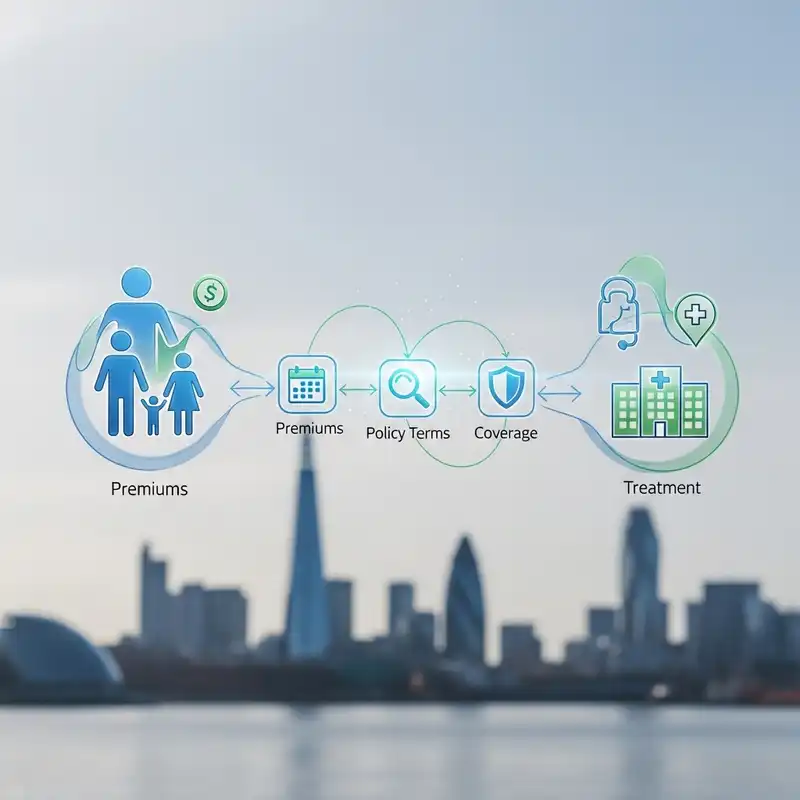


Why private medical insurance and how does it work?
What is Private Medical Insurance?
Private medical insurance (PMI) is a type of health insurance that provides access to private healthcare services in the UK. It covers the cost of private medical treatment, allowing you to bypass NHS waiting lists and receive faster, more convenient care.How does it work?
Private medical insurance works by paying for your private healthcare costs. When you need treatment, you can choose to go private and your insurance will cover the costs, subject to your policy terms and conditions. This can include:• Private consultations with specialists
• Private hospital treatment and surgery
• Diagnostic tests and scans
• Physiotherapy and rehabilitation
• Mental health treatment
Your premium depends on factors like your age, health, occupation, and the level of cover you choose. Most policies offer different levels of cover, from basic to comprehensive, allowing you to tailor the policy to your needs and budget.
Questions to ask yourself regarding private medical insurance
Just ask yourself:👉 Are you concerned about NHS waiting times for treatment?
👉 Would you prefer to choose your own consultant and hospital?
👉 Do you want faster access to diagnostic tests and scans?
👉 Would you like private hospital accommodation and better food?
👉 Do you want to avoid the stress of NHS waiting lists?
Many people don't realise that private medical insurance is more affordable than they think, especially when you consider the value of faster treatment and better facilities. A great insurance policy can provide peace of mind and ensure you receive the care you need when you need it.
Benefits offered by private medical insurance
Private medical insurance provides numerous benefits that can significantly improve your healthcare experience and outcomes:Faster Access to Treatment
One of the biggest advantages is avoiding NHS waiting lists. While the NHS provides excellent care, waiting times can be lengthy. With private medical insurance, you can often receive treatment within days or weeks rather than months.
Choice of Consultant and Hospital
You can choose your preferred consultant and hospital, giving you more control over your healthcare journey. This is particularly important for complex treatments where you want a specific specialist.
Better Facilities and Accommodation
Private hospitals typically offer superior facilities, including private rooms, better food, and more comfortable surroundings. This can make your recovery more pleasant and potentially faster.
Advanced Treatments
Private medical insurance often covers treatments and medications not available on the NHS, giving you access to the latest medical advances and technologies.
Mental Health Support
Many policies include comprehensive mental health coverage, providing faster access to therapy and psychiatric care when needed.
Tax Benefits for Business Owners
If you're self-employed or a business owner, private medical insurance premiums can be tax-deductible, making it a cost-effective way to protect your health and your business.
Peace of Mind
Knowing you have access to private healthcare when you need it provides invaluable peace of mind, especially for those with ongoing health conditions or concerns about NHS capacity.
Private medical insurance is particularly valuable for those who want to take control of their healthcare journey and ensure they receive the best possible treatment when they need it most.
Important Fact!
We can look at a more suitable option mid-term!
Why is it important to get private medical insurance early?
👉 Many people are very thankful that they had their private medical insurance cover in place before running into some serious health issues. Private medical insurance is as important as life insurance for protecting your family's finances.👉 We insure our cars, houses, and even our phones! Yet our health is the most precious thing we have.
Easily one of the most important insurance purchases an individual or family can make in their lifetime, the decision to buy private medical insurance can be made much simpler with the help of FCA-authorised advisers. They are the specialists who do the searching and analysis helping people choose between various types of private medical insurance policies available in the market, including different levels of cover and policy types most suitable to the client's individual circumstances.
It certainly won't do any harm if you speak with one of our experienced insurance experts who are passionate about advising people on financial matters related to private medical insurance and are keen to provide you with a free consultation.
You can discuss with them in detail what affordable private medical insurance plan for the necessary peace of mind they would recommend! WeCovr works with some of the best advisers in the market.
By tapping the button below, you can book a free call with them in less than 30 seconds right now:
Our Group Is Proud To Have Issued 900,000+ Policies!
We've established collaboration agreements with leading insurance groups to create tailored coverage
























How It Works
1. Complete a brief form

2. Our experts analyse your information and find you best quotes

3. Enjoy your protection!

Any questions?
Learn more

Who Are WeCovr?
WeCovr is an insurance specialist for people valuing their peace of mind and a great service.👍 WeCovr will help you get your private medical insurance, life insurance, critical illness insurance and others in no time thanks to our wonderful super-friendly experts ready to assist you every step of the way.
Just a quick and simple form and an easy conversation with one of our experts and your valuable insurance policy is in place for that needed peace of mind!