UK Sedentary Work Crisis

As an FCA-authorised expert with over 900,000 policies arranged, WeCovr helps you navigate the complexities of private medical insurance in the UK. This article explores the growing health crisis linked to sedentary work and how the right health cover can protect your future, health, and finances.
UK 2025 Shock New Data Reveals Over 7 in 10 Working Britons Face a Silent Health Crisis from Sedentary Work, Fueling a Staggering £3.6 Million+ Lifetime Burden of Chronic Pain, Metabolic Disease, Lost Productivity & Eroding Healthspan – Your PMI Pathway to Proactive Health Screening, Ergonomic Support & LCIIP Shielding Your Productive Future
The way we work has fundamentally changed. The hum of the office has been replaced by the quiet tap of keyboards in home offices and co-working spaces. While this offers flexibility, it has quietly ushered in a national health emergency. Fresh analysis for 2025, based on data from the Office for National Statistics (ONS) and health bodies, reveals a stark reality: over 70% of the UK's working population is now engaged in predominantly sedentary roles. That's more than 24 million people at risk.
This isn't just about occasional backache. It's a creeping crisis fuelling a lifetime of health problems. The staggering £3.6 million+ figure isn't hyperbole; it represents the potential lifetime financial burden for a high-earning individual derailed by chronic conditions. This includes lost earnings, private treatment costs, home modifications, and care expenses. For the UK economy, the cost of lost productivity due to work-related ill-health, much of it musculoskeletal, already runs into billions of pounds annually, according to the Health and Safety Executive (HSE).
This silent epidemic of sitting is eroding our healthspan—the years we live in good health. But there is a powerful defence. Private Medical Insurance (PMI) is evolving from a reactive safety net into a proactive health partner, offering a vital shield against the long-term consequences of a desk-bound life.
The Anatomy of a Crisis: How Sitting Sabotages Your Health
The phrase "sitting is the new smoking" might sound dramatic, but the science behind it is robust. Our bodies are designed for movement. Prolonged sitting disrupts our fundamental physiological processes, leading to a cascade of negative health outcomes.
1. Musculoskeletal Mayhem: This is often the first and most obvious symptom. The HSE reports that work-related musculoskeletal disorders are a leading cause of sickness absence in Great Britain.
- Chronic Lower Back Pain: Sitting places immense pressure on the spinal discs, particularly in the lumbar region. Poor posture, common in makeshift home offices, exacerbates this.
- "Tech Neck": Constantly looking down at laptops or phones strains the cervical spine, leading to neck pain, shoulder tension, and headaches.
- Repetitive Strain Injury (RSI): Hours of typing and mouse use can lead to painful conditions in the wrists, hands, and forearms, such as carpal tunnel syndrome.
2. Metabolic Meltdown: When you sit for long periods, your body's metabolism slows right down.
- Increased Risk of Type 2 Diabetes: Sedentary behaviour impairs the body's ability to regulate blood sugar levels, a key risk factor for developing Type 2 diabetes. NHS data consistently links physical inactivity to a higher prevalence of the condition.
- Cardiovascular Disease: Lack of movement contributes to higher blood pressure, elevated cholesterol, and an increased risk of heart disease and stroke.
- Weight Gain and Obesity: Burning fewer calories while sitting, combined with metabolic slowdown, is a direct route to unwanted weight gain.
3. The Hidden Mental Health Toll: The impact isn't just physical. A sedentary work life is strongly linked to poorer mental wellbeing.
- Anxiety and Depression: Physical activity is a proven mood booster. A lack of it, combined with work stress and social isolation (for remote workers), can create a perfect storm for mental health issues.
- Brain Fog and Reduced Focus: Movement increases blood flow to the brain, enhancing cognitive function. Being stuck in a chair can lead to feelings of lethargy and difficulty concentrating.
Healthspan vs. Lifespan: The Real Cost Medical science has extended our lifespan—the total number of years we live. However, the UK is seeing a worrying trend where our healthspan—the number of years we live in good, active health—is not keeping pace. The result is that many people are living their later years with debilitating chronic conditions, many of which are preventable and linked to lifestyle factors like inactivity.
The Economic Shockwave: How Sedentary Work Hits Your Wallet and UK Plc
The health crisis is also a profound economic one, impacting individuals, businesses, and the NHS.
For Individuals: The potential lifetime cost of £3.6 million is a calculation of a worst-case scenario for a skilled professional.
| Cost Component | Estimated Lifetime Impact (Example) | Description |
|---|---|---|
| Lost Earnings | £2,500,000+ | A 40-year-old earning £80k/year forced into early retirement or part-time work due to chronic pain, losing 25+ years of peak earnings. |
| Private Healthcare | £300,000+ | Costs for specialist consultations, surgery, ongoing physiotherapy, and pain management not covered by an existing policy or the NHS. |
| Productivity Loss | £200,000+ | The cumulative financial impact of "presenteeism" (working while unwell and being less effective) over a career. |
| Care & Modifications | £100,000+ | Costs for home adjustments (stairlifts, accessible bathrooms) and potential long-term care needs. |
| Wellness & Management | £50,000+ | Lifetime costs of gym memberships, specialist equipment, dietary support, and other out-of-pocket health expenses. |
For Businesses: The impact on UK businesses is immediate and immense.
- Absenteeism: Days lost to sickness, particularly for back, neck, and stress-related issues, directly impact team capacity and project deadlines.
- Presenteeism: Arguably more costly, this is when employees are physically at work but mentally checked out or physically struggling, leading to errors, missed opportunities, and lower output. Research suggests this can cost businesses up to three times more than absenteeism.
- Talent Drain: Losing experienced, valuable employees to long-term sick leave or early retirement is a huge blow to any organisation's institutional knowledge and capability.
Your Proactive Defence: How Private Medical Insurance Shields Your Future
While you can't always change the nature of your job, you can change how you protect yourself from its risks. Modern private medical insurance in the UK is a powerful tool for proactive health management.
Crucial Point: It is vital to understand that standard UK private health cover is designed for new (acute) conditions that arise after your policy begins. It does not cover pre-existing conditions (ailments you've had symptoms of, or sought advice for, in the years before taking out a policy) or chronic conditions (long-term illnesses that can be managed but not cured, like diabetes or chronic arthritis).
However, PMI is your best defence for tackling the acute problems caused by sedentary work before they become chronic.
Key PMI Benefits for the Modern Worker
-
Speedy Diagnostics:
- The Problem: You develop persistent back pain. The NHS waiting list for an MRI scan to find the cause could be months long.
- The PMI Solution: With PMI, you can see a GP, get a specialist referral, and have that MRI scan often within days or weeks. This speed is critical for getting an accurate diagnosis and starting the right treatment fast.
-
Prompt Access to Therapies:
- The Problem: Your "tech neck" is becoming unbearable. You might get a limited number of physiotherapy sessions on the NHS after a long wait.
- The PMI Solution: Most comprehensive PMI policies include a generous allowance for therapies like physiotherapy, osteopathy, and chiropractic care. You can start treatment immediately, alleviating pain and preventing the issue from becoming a long-term, chronic problem.
-
Choice of Specialist and Hospital:
- The Problem: You need to see an orthopaedic consultant. On the NHS, you have limited choice over who you see and where.
- The PMI Solution: Private health cover gives you access to a nationwide network of leading specialists and high-quality private hospitals, allowing you to choose a time and place that suits your life and work.
-
Integrated Mental Health Support:
- The Problem: Work stress and burnout are affecting your mental health. Accessing talking therapies like CBT on the NHS can involve significant waiting times.
- The PMI Solution: Leading insurers now provide excellent mental health pathways, offering direct access to counsellors and therapists, often without needing a GP referral first. This can be a lifeline for managing the psychological pressures of the modern workplace.
-
Proactive Wellness and Screening:
- The Problem: You feel fine, but you're aware of the risks. You want to stay ahead of any potential issues.
- The PMI Solution: Many policies now include benefits designed to keep you healthy, such as:
- Health Screenings: Comprehensive checks to assess your cardiovascular health, diabetes risk, and more.
- Wellness Apps & Discounts: Access to gym memberships, online fitness classes, and health-tracking apps. At WeCovr, we provide complimentary access to our AI-powered CalorieHero app to all our health and life insurance clients, helping you manage your nutrition effortlessly.
Choosing the Right PMI Policy: A Guided Approach
Navigating the private medical insurance UK market can be daunting. As an expert PMI broker, WeCovr simplifies this process at no cost to you. Here’s what to consider:
| Feature | What It Means | Why It Matters for Sedentary Workers |
|---|---|---|
| Outpatient Cover | Covers consultations and diagnostics that don't require a hospital bed. | Crucial for getting fast diagnoses (scans) and seeing specialists for issues like back pain or RSI. |
| Therapies Cover | Pays for treatments like physiotherapy, osteopathy, and chiropractic care. | Essential for treating musculoskeletal problems promptly and effectively. Check the limits. |
| Mental Health Cover | Provides access to counselling, therapy, and psychiatric support. | A vital safety net for managing work-related stress, anxiety, and burnout. |
| Underwriting Type | How the insurer assesses your medical history (e.g., Moratorium or Full Medical). | Affects what is covered. A broker can explain the best option for your circumstances. |
| Excess | The amount you agree to pay towards any claim. | A higher excess will lower your monthly premium, but you'll pay more if you claim. |
| Hospital List | The list of private hospitals you can use. | Ensure it includes high-quality facilities that are convenient for you. |
What is LCIIP? A Lower-Cost Alternative
For those on a tighter budget or who are happy to use the NHS for most treatments, a Limited Cash for In-Patient Treatment (LCIIP) plan is an interesting option.
- How it works: Instead of paying for private treatment, this policy pays you a fixed cash sum for each night you spend as an in-patient in an NHS hospital.
- Who it's for: It can be a good entry-level choice for younger, healthier individuals who want a financial cushion in case of a serious illness or accident requiring hospitalisation, without the cost of full PMI.
Practical Tips to Counteract the Sedentary Crisis Today
Insurance is one part of the solution. Proactive daily habits are the other.
- Move Every 30 Minutes: Set a timer. Stand up, stretch, walk to get a glass of water, or do a few squats. This simple act reignites your metabolism.
- Optimise Your Workspace:
- Screen: Your monitor should be at eye level to prevent neck strain.
- Chair: Use an adjustable ergonomic chair that supports the natural curve of your lower back.
- Keyboard: Position it so your elbows are at a 90-degree angle.
- Embrace "Movement Snacking": Can't fit in a full workout? Do "snacks" of movement. Take the stairs, do calf raises while waiting for the kettle, or have "walking meetings" if you're on a call.
- Hydrate and Fuel Properly: Dehydration can mimic feelings of fatigue. Drink plenty of water. Prioritise protein and vegetables over sugary snacks that cause energy crashes. Use an app like CalorieHero to stay on track.
- Protect Your Sleep: Aim for 7-9 hours of quality sleep. It's when your body repairs muscle tissue, consolidates memory, and regulates hormones crucial for health and mood.
The sedentary work crisis is real, but it doesn't have to define your future. By understanding the risks, taking proactive daily steps, and securing a robust health insurance safety net, you can protect your most valuable assets: your health, your wellbeing, and your ability to lead a long, productive, and fulfilling life.
A PMI broker like WeCovr can be your most valuable ally, comparing policies from the best PMI providers to find cover that fits your needs and budget, giving you peace of mind and control over your health journey. And when you purchase PMI or life insurance through us, we offer discounts on other types of cover, adding even more value.
Does private medical insurance cover conditions I already have from my desk job?
How can PMI help with something like acute back pain from sitting?
Is it worth getting private health cover if my employer doesn't offer it?
What is the difference between private medical insurance (PMI) and a health cash plan?
Ready to build your shield against the sedentary work crisis? Take the first step towards protecting your health and productivity.
Related guides


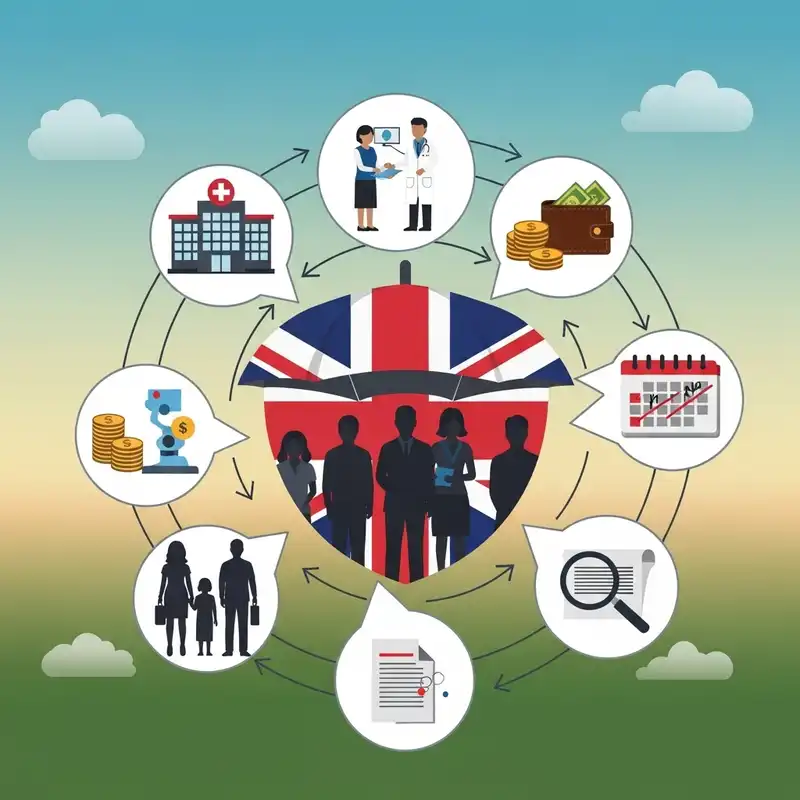


Why private medical insurance and how does it work?
What is Private Medical Insurance?
Private medical insurance (PMI) is a type of health insurance that provides access to private healthcare services in the UK. It covers the cost of private medical treatment, allowing you to bypass NHS waiting lists and receive faster, more convenient care.How does it work?
Private medical insurance works by paying for your private healthcare costs. When you need treatment, you can choose to go private and your insurance will cover the costs, subject to your policy terms and conditions. This can include:• Private consultations with specialists
• Private hospital treatment and surgery
• Diagnostic tests and scans
• Physiotherapy and rehabilitation
• Mental health treatment
Your premium depends on factors like your age, health, occupation, and the level of cover you choose. Most policies offer different levels of cover, from basic to comprehensive, allowing you to tailor the policy to your needs and budget.
Questions to ask yourself regarding private medical insurance
Just ask yourself:👉 Are you concerned about NHS waiting times for treatment?
👉 Would you prefer to choose your own consultant and hospital?
👉 Do you want faster access to diagnostic tests and scans?
👉 Would you like private hospital accommodation and better food?
👉 Do you want to avoid the stress of NHS waiting lists?
Many people don't realise that private medical insurance is more affordable than they think, especially when you consider the value of faster treatment and better facilities. A great insurance policy can provide peace of mind and ensure you receive the care you need when you need it.
Benefits offered by private medical insurance
Private medical insurance provides numerous benefits that can significantly improve your healthcare experience and outcomes:Faster Access to Treatment
One of the biggest advantages is avoiding NHS waiting lists. While the NHS provides excellent care, waiting times can be lengthy. With private medical insurance, you can often receive treatment within days or weeks rather than months.
Choice of Consultant and Hospital
You can choose your preferred consultant and hospital, giving you more control over your healthcare journey. This is particularly important for complex treatments where you want a specific specialist.
Better Facilities and Accommodation
Private hospitals typically offer superior facilities, including private rooms, better food, and more comfortable surroundings. This can make your recovery more pleasant and potentially faster.
Advanced Treatments
Private medical insurance often covers treatments and medications not available on the NHS, giving you access to the latest medical advances and technologies.
Mental Health Support
Many policies include comprehensive mental health coverage, providing faster access to therapy and psychiatric care when needed.
Tax Benefits for Business Owners
If you're self-employed or a business owner, private medical insurance premiums can be tax-deductible, making it a cost-effective way to protect your health and your business.
Peace of Mind
Knowing you have access to private healthcare when you need it provides invaluable peace of mind, especially for those with ongoing health conditions or concerns about NHS capacity.
Private medical insurance is particularly valuable for those who want to take control of their healthcare journey and ensure they receive the best possible treatment when they need it most.
Important Fact!
We can look at a more suitable option mid-term!
Why is it important to get private medical insurance early?
👉 Many people are very thankful that they had their private medical insurance cover in place before running into some serious health issues. Private medical insurance is as important as life insurance for protecting your family's finances.👉 We insure our cars, houses, and even our phones! Yet our health is the most precious thing we have.
Easily one of the most important insurance purchases an individual or family can make in their lifetime, the decision to buy private medical insurance can be made much simpler with the help of FCA-authorised advisers. They are the specialists who do the searching and analysis helping people choose between various types of private medical insurance policies available in the market, including different levels of cover and policy types most suitable to the client's individual circumstances.
It certainly won't do any harm if you speak with one of our experienced insurance experts who are passionate about advising people on financial matters related to private medical insurance and are keen to provide you with a free consultation.
You can discuss with them in detail what affordable private medical insurance plan for the necessary peace of mind they would recommend! WeCovr works with some of the best advisers in the market.
By tapping the button below, you can book a free call with them in less than 30 seconds right now:
Our Group Is Proud To Have Issued 900,000+ Policies!
We've established collaboration agreements with leading insurance groups to create tailored coverage













How It Works
1. Complete a brief form

2. Our experts analyse your information and find you best quotes

3. Enjoy your protection!

Any questions?
Learn more
Who Are WeCovr?
WeCovr is an insurance specialist for people valuing their peace of mind and a great service.👍 WeCovr will help you get your private medical insurance, life insurance, critical illness insurance and others in no time thanks to our wonderful super-friendly experts ready to assist you every step of the way.
Just a quick and simple form and an easy conversation with one of our experts and your valuable insurance policy is in place for that needed peace of mind!