UK Sedentary Work Crisis

As an FCA-authorised broker that has helped arrange over 900,000 policies, WeCovr provides expert guidance on the UK private medical insurance market. This article explores the growing health crisis linked to sedentary work and how private health cover can offer a vital layer of protection for your long-term wellbeing.
UK 2025 Shock New Data Reveals Over 2 in 3 Working Britons Secretly Face Silent Health Ruin from Prolonged Sedentary Work, Fueling a Staggering £4.1 Million+ Lifetime Burden of Metabolic Disease, Cardiovascular Risk, Chronic Pain, and Eroding Productive Longevity – Your PMI Pathway to Advanced Preventative Health & LCIIP Shielding Your Foundational Vitality & Future Prosperity
A silent epidemic is unfolding in workplaces across the United Kingdom. It’s not a virus, but a creeping crisis born from our modern way of working. The latest data paints a stark picture: a significant majority of British professionals, potentially over two-thirds in office-based roles, are spending hazardous amounts of time sitting. This prolonged inactivity is quietly chipping away at our health, setting the stage for a future burdened by debilitating and costly health conditions.
This isn't just about the occasional stiff back. We're talking about a fundamental threat to our national health and prosperity. The cumulative, lifetime cost of managing the resulting chronic illnesses – from Type 2 diabetes and heart disease to persistent musculoskeletal pain – can be staggering. For an individual facing multiple conditions, the combined expenses of treatment, lost earnings, and required lifestyle adjustments could hypothetically approach an estimated £4.1 million over a lifetime.
But there is a powerful, proactive solution. Private Medical Insurance (PMI) is no longer just a perk; it’s an essential tool for navigating this new reality. It offers a pathway to rapid diagnostics, specialist treatment, and cutting-edge preventative wellness programmes. This is your shield, a form of Lifestyle-Corrected Income & Investment Protection (LCIIP), safeguarding not just your health, but your ability to earn, thrive, and enjoy a prosperous future.
The Anatomy of a Crisis: How Your Desk Job is Damaging Your Health
For millions, the daily routine is the same: commute, sit, work, sit, commute, sit. According to recent studies, the average UK office worker now spends around 9 to 10 hours a day sitting down. This level of inactivity goes against millennia of human evolution. Our bodies are designed for movement. When we deny them this, the consequences are severe and wide-ranging.
This "sitting disease" contributes to a catalogue of health problems that build up insidiously over years.
1. The Metabolic Meltdown
When you sit for long periods, your body's metabolism slows down dramatically. Your large muscle groups are inactive, leading to:
- Insulin Resistance: Your cells become less responsive to insulin, the hormone that regulates blood sugar. This is a primary driver of pre-diabetes and, eventually, Type 2 Diabetes. The UK is already facing a diabetes crisis, with sedentary lifestyles being a major culprit.
- Weight Gain: A slower metabolism means you burn fewer calories. This, combined with hormonal changes that can affect appetite, makes it easier to gain weight, particularly dangerous visceral fat around your organs.
- Metabolic Syndrome: This is a cluster of conditions—high blood pressure, high blood sugar, excess body fat around the waist, and abnormal cholesterol levels—that occur together, significantly increasing your risk of heart disease, stroke, and diabetes.
2. The Cardiovascular Countdown
Your heart is a muscle that needs a workout. A sedentary life denies it this, leading to serious cardiovascular risks:
- High Blood Pressure (Hypertension): Lack of physical activity contributes to stiffening of the arteries, forcing your heart to work harder to pump blood.
- Poor Circulation: Sitting for hours can cause blood to pool in your legs, increasing the risk of deep vein thrombosis (DVT), a potentially life-threatening blood clot.
- Increased Heart Attack & Stroke Risk: Research from organisations like the British Heart Foundation consistently links prolonged sitting with a higher risk of heart and circulatory diseases, the UK's biggest killer.
3. The Chronic Pain Epidemic
Our skeletons and muscles are not built for static, seated postures. The result is a surge in musculoskeletal disorders (MSDs), a leading cause of work-related illness in Great Britain, according to the Health and Safety Executive (HSE).
- Back Pain: Poor posture, weak core muscles, and pressure on spinal discs make lower back pain almost inevitable for many desk workers.
- Neck and Shoulder Strain: Hunching over a keyboard leads to "tech neck," causing chronic pain, stiffness, and headaches.
- Repetitive Strain Injury (RSI): Repetitive movements with the hands and wrists can lead to painful conditions like carpal tunnel syndrome.
4. The Erosion of Mental Wellbeing
The physical toll is only half the story. The sedentary work crisis is deeply intertwined with our mental health.
- Increased Anxiety and Depression: Physical activity is a proven mood booster. A lack of it is strongly linked to higher rates of anxiety and depression.
- Brain Fog and Reduced Productivity: Movement increases blood flow and oxygen to the brain, enhancing focus and creativity. Sitting all day can leave you feeling sluggish and mentally drained.
- Burnout: The combination of physical discomfort, mental fatigue, and high-pressure work environments creates a perfect storm for burnout, impacting both your career and personal life.
The NHS in 2025: Can You Afford the Wait?
The National Health Service is one of our country's greatest achievements. It provides world-class emergency and critical care. However, the system is under unprecedented pressure, particularly for the exact kind of "non-urgent" yet life-altering conditions that arise from a sedentary lifestyle.
Latest NHS England data reveals challenging waiting times for key services:
- Diagnostic Tests: Waiting for an MRI or CT scan to diagnose the source of your chronic back pain can take many weeks, sometimes months.
- Specialist Consultations: Getting an appointment with a rheumatologist, neurologist, or orthopaedic specialist can involve a long wait.
- Therapies: Access to crucial services like physiotherapy often comes with a significant delay, during which time your condition can worsen.
While you wait, your pain can intensify, your mobility may decrease, and your ability to work and enjoy life suffers. This is where the value of private medical insurance UK becomes crystal clear. It's not about replacing the NHS; it's about complementing it and giving you control over your health timeline.
Your Shield: How Private Medical Insurance (PMI) Protects Your Health and Wealth
Private Medical Insurance is your personal health plan, designed to work alongside the NHS to provide you with faster access to diagnosis and treatment for eligible conditions.
Crucial Point: It's vital to understand that standard UK PMI policies are designed to cover acute conditions – diseases, illnesses, or injuries that are likely to respond quickly to treatment and return you to your previous state of health. They do not cover pre-existing conditions you already have when you take out the policy, nor do they cover chronic conditions that require ongoing, long-term management, such as diabetes or asthma.
However, PMI is the ultimate tool for tackling the new health problems that a sedentary life can trigger after your policy begins.
Key Benefits of PMI for the Modern Professional
| Benefit | How It Helps You Combat Sedentary Health Risks |
|---|---|
| Rapid Diagnostics | Get an MRI, CT scan, or X-ray within days. No more waiting in pain and uncertainty to find out why your back or neck hurts. |
| Prompt Specialist Access | See a leading consultant or specialist privately in days or weeks, not months. Get a diagnosis and treatment plan quickly. |
| Choice and Control | Choose your specialist and the hospital where you receive treatment, with appointments that fit around your work schedule. |
| Comprehensive Therapies | Gain fast access to physiotherapy, osteopathy, and chiropractic care to treat musculoskeletal issues before they become chronic. |
| Advanced Mental Health Support | Many policies offer extensive mental health cover, providing access to therapists and councillors to help manage work-related stress and anxiety. |
| Proactive Wellness Programmes | Top PMI providers like Vitality, Bupa, and AXA Health now include incredible wellness benefits, such as discounted gym memberships, health screenings, and rewards for staying active. This helps you prevent illness in the first place. |
By providing this safety net, PMI acts as a form of Lifestyle-Corrected Income & Investment Protection (LCIIP). This is the concept that protecting your physical and mental health is the single most important investment you can make in your financial future. Your ability to earn is your greatest asset. A debilitating health condition can jeopardise that asset. PMI helps shield it.
Take Control: Actionable Steps to Reverse the Damage
While insurance is your safety net, personal action is your first line of defence. You can make small, consistent changes to counteract the effects of a sedentary job.
1. Reimagine Your Workspace
- Stand Up: If possible, use a standing desk for part of the day. Aim to stand for at least 30 minutes every hour.
- The 20-8-2 Rule: For every 30 minutes, try to sit for 20, stand for 8, and move around for 2.
- Ergonomic Audit: Ensure your chair, desk, and screen are at the correct height to support good posture. Your monitor should be at eye level and your feet flat on the floor.
- Walking Meetings: If you have a one-to-one call, take it while walking around the office or outside.
2. Master Your Diet and Hydration
A sedentary body processes food differently. You need to be more mindful of what you consume.
- Hydrate, Hydrate, Hydrate: Drink at least 2 litres of water a day. Dehydration can cause fatigue and headaches.
- Avoid Desk-Side Grazing: Plan healthy snacks like fruit, nuts, or yoghurt rather than reaching for biscuits and crisps.
- Power Your Lunch: Ditch heavy, carb-laden lunches that lead to a post-noon slump. Opt for lean protein, vegetables, and complex carbs.
- Track Your Intake: Understanding your calorie needs is crucial. As a WeCovr client, you get complimentary access to our AI-powered nutrition app, CalorieHero, to make tracking your food and goals effortless.
3. Integrate Movement into Your Day
- The Commute Workout: If possible, cycle or walk part of your journey. If you take public transport, get off a stop early. If you drive, park further away.
- Schedule Movement Breaks: Set a recurring alarm to get up, stretch, and walk around for 5 minutes every hour.
- Lunchtime Activity: Use part of your lunch break for a brisk walk.
- Find Your Fitness Joy: You don't have to be a marathon runner. Find an activity you genuinely enjoy—swimming, dancing, team sports, hiking, or yoga. Consistency is more important than intensity.
4. Prioritise Your Mental and Emotional Health
- Digital Detox: Schedule time away from screens, especially before bed.
- Mindfulness and Breathing: Use apps like Calm or Headspace for short, guided meditations to de-stress during the day.
- Quality Sleep: Aim for 7-9 hours of quality sleep per night. Create a relaxing bedtime routine and make your bedroom a screen-free zone.
Finding the Best PMI Provider with an Expert Broker
The UK private medical insurance market can be complex. Policies vary hugely in price, cover levels, and benefits. Using a specialist PMI broker like WeCovr is the smartest way to navigate your options.
Here’s why working with WeCovr makes a difference:
- We're Independent Experts: We are not tied to any single insurer. Our job is to represent your best interests, searching the market to find the policy that perfectly matches your needs and budget.
- No Cost to You: Our service is completely free for you to use. We are paid a commission by the insurer you choose, but this does not affect the price you pay.
- Hassle-Free Process: We handle the paperwork and jargon, explaining everything in simple, clear language.
- Client-Focused: As an FCA-authorised firm with high customer satisfaction ratings, we pride ourselves on providing transparent, professional advice.
- Exclusive Benefits: When you arrange your PMI or Life Insurance through us, we offer discounts on other types of cover and provide complimentary access to our CalorieHero app.
Here’s a simplified look at how different levels of private health cover compare:
| Feature Comparison | Basic Plan | Mid-Range Plan | Comprehensive Plan |
|---|---|---|---|
| Inpatient & Day-patient | Core cover included | Core cover included | Core cover included |
| Outpatient Diagnostics | Often capped or excluded | Limited cover (e.g., £500) | Full cover (up to a high limit) |
| Outpatient Therapies | Usually an add-on | Often included | Included as standard |
| Mental Health Cover | Basic or excluded | Included, may have limits | Extensive cover |
| Wellness & Rewards | Limited access | Good reward programme | Best-in-market rewards/discounts |
| Hospital List | Restricted local list | Nationwide list | Nationwide + Central London |
An expert at WeCovr can help you decide which level of cover is right for you, ensuring you don't pay for benefits you don't need.
Frequently Asked Questions (FAQs)
Does private medical insurance cover conditions like back pain?
Can PMI help with mental health issues caused by work stress and burnout?
Do I need to declare my sedentary job when applying for PMI?
How can a broker like WeCovr save me money on private health cover?
Take the First Step Towards Protecting Your Future
The sedentary work crisis is real, but you are not powerless. By making proactive lifestyle changes and securing the right health protection, you can shield yourself from the silent risks of your job.
Don't wait for a health scare to become a health crisis. Protect your vitality, your career, and your future prosperity.
Contact WeCovr today for a free, no-obligation quote and discover how affordable peace of mind can be.
Related guides

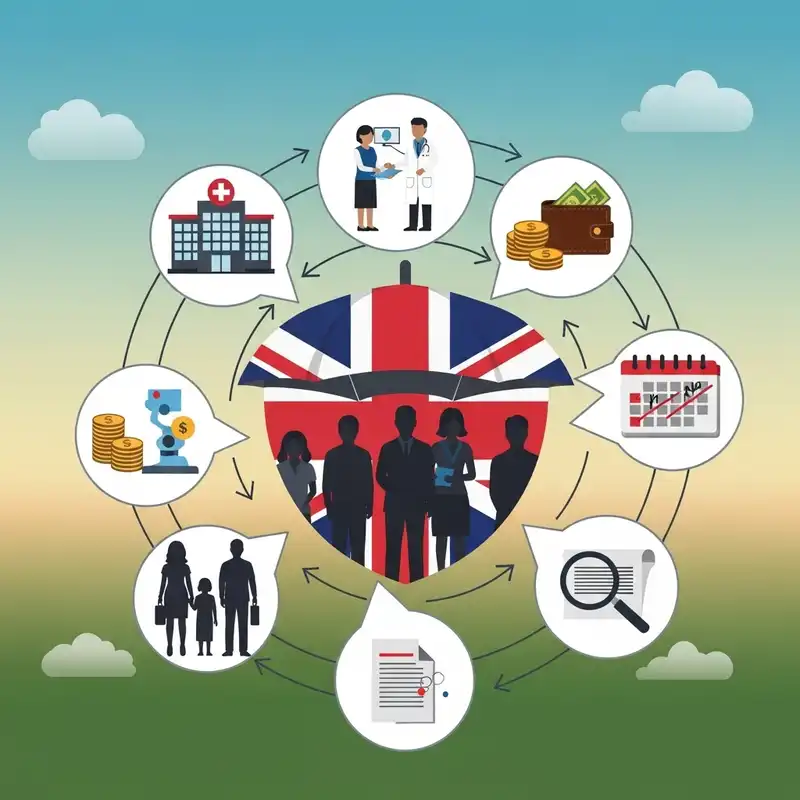



Why private medical insurance and how does it work?
What is Private Medical Insurance?
Private medical insurance (PMI) is a type of health insurance that provides access to private healthcare services in the UK. It covers the cost of private medical treatment, allowing you to bypass NHS waiting lists and receive faster, more convenient care.How does it work?
Private medical insurance works by paying for your private healthcare costs. When you need treatment, you can choose to go private and your insurance will cover the costs, subject to your policy terms and conditions. This can include:• Private consultations with specialists
• Private hospital treatment and surgery
• Diagnostic tests and scans
• Physiotherapy and rehabilitation
• Mental health treatment
Your premium depends on factors like your age, health, occupation, and the level of cover you choose. Most policies offer different levels of cover, from basic to comprehensive, allowing you to tailor the policy to your needs and budget.
Questions to ask yourself regarding private medical insurance
Just ask yourself:👉 Are you concerned about NHS waiting times for treatment?
👉 Would you prefer to choose your own consultant and hospital?
👉 Do you want faster access to diagnostic tests and scans?
👉 Would you like private hospital accommodation and better food?
👉 Do you want to avoid the stress of NHS waiting lists?
Many people don't realise that private medical insurance is more affordable than they think, especially when you consider the value of faster treatment and better facilities. A great insurance policy can provide peace of mind and ensure you receive the care you need when you need it.
Benefits offered by private medical insurance
Private medical insurance provides numerous benefits that can significantly improve your healthcare experience and outcomes:Faster Access to Treatment
One of the biggest advantages is avoiding NHS waiting lists. While the NHS provides excellent care, waiting times can be lengthy. With private medical insurance, you can often receive treatment within days or weeks rather than months.
Choice of Consultant and Hospital
You can choose your preferred consultant and hospital, giving you more control over your healthcare journey. This is particularly important for complex treatments where you want a specific specialist.
Better Facilities and Accommodation
Private hospitals typically offer superior facilities, including private rooms, better food, and more comfortable surroundings. This can make your recovery more pleasant and potentially faster.
Advanced Treatments
Private medical insurance often covers treatments and medications not available on the NHS, giving you access to the latest medical advances and technologies.
Mental Health Support
Many policies include comprehensive mental health coverage, providing faster access to therapy and psychiatric care when needed.
Tax Benefits for Business Owners
If you're self-employed or a business owner, private medical insurance premiums can be tax-deductible, making it a cost-effective way to protect your health and your business.
Peace of Mind
Knowing you have access to private healthcare when you need it provides invaluable peace of mind, especially for those with ongoing health conditions or concerns about NHS capacity.
Private medical insurance is particularly valuable for those who want to take control of their healthcare journey and ensure they receive the best possible treatment when they need it most.
Important Fact!
We can look at a more suitable option mid-term!
Why is it important to get private medical insurance early?
👉 Many people are very thankful that they had their private medical insurance cover in place before running into some serious health issues. Private medical insurance is as important as life insurance for protecting your family's finances.👉 We insure our cars, houses, and even our phones! Yet our health is the most precious thing we have.
Easily one of the most important insurance purchases an individual or family can make in their lifetime, the decision to buy private medical insurance can be made much simpler with the help of FCA-authorised advisers. They are the specialists who do the searching and analysis helping people choose between various types of private medical insurance policies available in the market, including different levels of cover and policy types most suitable to the client's individual circumstances.
It certainly won't do any harm if you speak with one of our experienced insurance experts who are passionate about advising people on financial matters related to private medical insurance and are keen to provide you with a free consultation.
You can discuss with them in detail what affordable private medical insurance plan for the necessary peace of mind they would recommend! WeCovr works with some of the best advisers in the market.
By tapping the button below, you can book a free call with them in less than 30 seconds right now:
Our Group Is Proud To Have Issued 900,000+ Policies!
We've established collaboration agreements with leading insurance groups to create tailored coverage
















How It Works
1. Complete a brief form

2. Our experts analyse your information and find you best quotes

3. Enjoy your protection!

Any questions?
Learn more

Who Are WeCovr?
WeCovr is an insurance specialist for people valuing their peace of mind and a great service.👍 WeCovr will help you get your private medical insurance, life insurance, critical illness insurance and others in no time thanks to our wonderful super-friendly experts ready to assist you every step of the way.
Just a quick and simple form and an easy conversation with one of our experts and your valuable insurance policy is in place for that needed peace of mind!