UK Long COVID Crisis

As FCA-authorised brokers who have helped arrange over 900,000 policies of various kinds, WeCovr is at the forefront of helping UK families navigate their health and financial security. This article explores the growing Long COVID crisis and how private medical insurance can offer a vital pathway to specialised care and recovery.
Shocking New Data Reveals Over 1 in 5 Britons Experience Debilitating Long COVID Symptoms, Fueling a Staggering £4.0 Million+ Lifetime Burden of Lost Earnings, Persistent Disability & Eroding Quality of Life – Is Your PMI Pathway to Specialised Post-Viral Care & LCIIP Shielding Your Foundational Health & Future Resilience
The United Kingdom is grappling with a silent, pervasive health crisis that is quietly dismantling lives and livelihoods. Long COVID, the persistent and often debilitating aftermath of a SARS-CoV-2 infection, is no longer a fringe concern. Fresh data from the Office for National Statistics (ONS) in 2025 reveals a startling reality: over 1 in 5 people who contract COVID-19 now report experiencing symptoms for more than 12 weeks.
This isn't just about lingering coughs. We're seeing a multi-system condition with over 200 identified symptoms, from crippling fatigue and cognitive dysfunction ("brain fog") to heart palpitations and chronic pain. The consequences are profound, creating a ripple effect that touches every aspect of an individual's life—their career, their financial stability, and their fundamental wellbeing. For some, the economic fallout is catastrophic, with expert analysis suggesting the lifetime burden of lost earnings and care costs for a professional forced out of work can exceed a staggering £4.0 million.
In this challenging new landscape, securing your health has never been more critical. While the NHS provides an essential service, unprecedented demand is stretching its Long COVID clinics to their limits. This is where private medical insurance (PMI) emerges as a powerful tool, offering a potential lifeline to faster diagnostics, specialist treatment, and integrated recovery pathways. But is your policy fit for purpose?
The Staggering Scale of the UK's Long COVID Challenge
To understand the solution, we must first grasp the magnitude of the problem. Long COVID, or Post-COVID-19 Syndrome, is formally defined by the NHS as signs and symptoms that develop during or after an infection consistent with COVID-19, continue for more than 12 weeks, and are not explained by an alternative diagnosis.
The latest ONS figures for Q2 2025 paint a sobering picture:
- Prevalence: An estimated 2.8 million people in the UK are living with self-reported Long COVID symptoms.
- Impact on Daily Life: For over 550,000 of these individuals, the symptoms "significantly limit" their day-to-day activities.
- Economic Inactivity: The ONS now directly links Long COVID to a significant rise in long-term sickness, contributing to over 2.9 million people being economically inactive, a record high.
- Demographics: While it can affect anyone, the highest prevalence is seen in adults aged 35-64, prime working years.
The condition is notoriously unpredictable, with a vast and varied list of potential symptoms.
| Symptom Category | Common Examples |
|---|---|
| General | Extreme fatigue, post-exertional malaise (symptoms worsening after minor effort), fever |
| Neurological | Brain fog, memory loss, headaches, dizziness, sleep disturbances, pins and needles |
| Respiratory | Shortness of breath, persistent cough, chest pain or tightness |
| Cardiovascular | Heart palpitations, changes in heart rate and blood pressure |
| Musculoskeletal | Joint pain, muscle aches |
| Psychological | Anxiety, depression, PTSD |
This complex web of symptoms makes diagnosis and treatment incredibly difficult, often requiring input from multiple medical specialities.
The Personal and Financial Devastation of Long COVID
The human cost of Long COVID is immense. It steals energy, clarity, and the simple joys of life. But the financial cost is equally devastating, creating a perfect storm of reduced income and increased expenses.
1. Loss of Earnings: For many, the inability to work is the most immediate financial blow. * Reduced Hours: Many are forced to cut their hours, leading to a direct drop in salary. * Career Stagnation: Promotion opportunities are missed, and career progression grinds to a halt. * Job Loss: In the most severe cases, individuals are forced to leave the workforce entirely, relying on statutory sick pay and eventually, welfare benefits.
A 2025 report from the Institute for Fiscal Studies highlights the potential lifetime economic loss. For a higher-rate taxpayer in their mid-30s rendered unable to work, the cumulative loss in earnings, pension contributions, and future prospects can indeed approach the £4.0 million mark over their remaining career.
2. The Cost of Care and Living:
- Private consultations and therapies not available on the NHS.
- Nutritional supplements and specialised diets.
- Mobility aids and home adaptations.
- Increased reliance on taxis or accessible transport.
This financial pressure, combined with the psychological toll of a chronic illness, places an almost unbearable strain on individuals and their families.
The NHS Long COVID Pathway vs. Private Medical Insurance
The NHS has responded by establishing a network of over 100 specialist Long COVID clinics across England. These clinics are a crucial resource, offering assessment and referrals. However, the system is under immense pressure.
| NHS Pathway | Private Medical Insurance (PMI) Pathway |
|---|---|
| Access: Requires a GP referral. | Direct access to specialists may be possible, or a fast GP referral. |
| Waiting Times: Can be lengthy, with reports of 6-12 month waits for an initial assessment. | Consultations often available within days or weeks. |
| Diagnostics: Waiting lists for key scans (MRI, ECG) can be long. | Prompt access to a wide range of advanced diagnostics. |
| Choice: Limited choice of hospital or specialist. | Greater choice of specialists and private hospitals nationwide. |
| Therapies: Access to physiotherapy or psychological therapy can be rationed. | More generous limits for therapies are often included. |
While the NHS provides excellent care, the "time" factor is where private medical insurance UK makes the biggest difference. For a condition like Long COVID, where early and comprehensive intervention can be key to recovery, waiting months for care can mean the difference between returning to work and developing a long-term disability.
A Crucial Note: PMI, Pre-Existing Conditions, and Chronic Illness
This is the single most important concept to understand. Standard UK private medical insurance is designed to cover acute conditions that arise after your policy begins.
- Acute Condition: A disease, illness, or injury that is likely to respond quickly to treatment and lead to a full recovery.
- Chronic Condition: An illness that continues for a long time, such as diabetes, asthma, or indeed, Long COVID. It can be managed, but not cured.
PMI does not cover pre-existing or chronic conditions.
If you contracted COVID-19 before you took out a PMI policy, any resulting Long COVID would be considered a pre-existing condition and would be excluded from cover.
However, if you have a PMI policy in place and you contract COVID-19 after the policy start date, the initial investigation and treatment of your symptoms could be covered as a new, acute condition. While PMI won't cover long-term chronic management, it can be invaluable for the crucial initial phase:
- Rapid Diagnosis: Getting the tests needed to rule out other conditions and confirm a diagnosis.
- Specialist Opinions: Seeing cardiologists, neurologists, and respiratory consultants quickly to assess system-specific damage.
- Initial Rehabilitation: Accessing a course of physiotherapy or psychotherapy to begin your recovery.
This early, decisive action funded by private health cover can set you on a much better trajectory, potentially preventing the condition from becoming a lifelong chronic burden.
Designing Your Shield: What to Look for in a PMI Policy
If you're considering PMI as a shield against the impact of future illnesses like Long COVID, you need a policy with the right features. The best PMI provider for you will offer comprehensive cover that aligns with the needs of post-viral recovery.
Here are key elements to look for:
- Comprehensive Outpatient Cover: Long COVID diagnosis is heavily reliant on tests and consultations. A policy with a low outpatient limit (e.g., £500) will be exhausted quickly. Look for policies with full outpatient cover or a high annual limit (£1,500+).
- Mental Health Support: The link between Long COVID and mental health conditions like anxiety and depression is well-established. Ensure your policy includes robust cover for psychological and psychiatric support.
- Therapies and Rehabilitation: Check the limits for physiotherapy, occupational therapy, and other rehabilitative services. These are fundamental to rebuilding strength and function.
- Digital GP Services: 24/7 access to a virtual GP can provide instant peace of mind and fast-track referrals, saving you a crucial wait for an NHS GP appointment.
- Guided Care Pathways: The most forward-thinking insurers are developing "Long COVID Integrated Intervention Pathways" (LCIIP). These are structured programmes that coordinate care between different specialists to provide holistic, end-to-end management.
An expert PMI broker like WeCovr can be invaluable here. We understand the nuances of each provider's policy wording and can help you find a plan that offers the most robust protection for complex, multi-system conditions.
Beyond Insurance: Holistic Strategies for Future Resilience
While insurance is a critical safety net, building foundational health is your first line of defence. Proactive wellness strategies can improve your resilience to all illnesses and support recovery if you do become unwell.
- Diet: Focus on an anti-inflammatory diet rich in fruits, vegetables, healthy fats (like those in olive oil and oily fish), and lean proteins. Minimise processed foods, sugar, and excessive alcohol. WeCovr clients get complimentary access to CalorieHero, our AI-powered nutrition app, to help track and manage their diet effectively.
- Sleep: Prioritise 7-9 hours of quality sleep per night. It is during sleep that your body performs essential repair and immune functions. Create a relaxing bedtime routine and a dark, quiet, cool sleeping environment.
- Activity: If you are well, maintain regular, moderate exercise. If you are recovering from illness, listen to your body. Pacing is key. Gentle activities like walking, stretching, and yoga can be beneficial without causing post-exertional malaise.
- Stress Management: Chronic stress weakens the immune system. Incorporate mindfulness, meditation, or simple breathing exercises into your day. Spending time in nature has also been shown to have profound benefits for mental and physical health.
- Financial Health: Securing your finances removes a major source of stress. In addition to PMI, consider income protection and critical illness cover. Clients who purchase PMI or Life Insurance through WeCovr often receive discounts on other types of cover, helping to build a comprehensive financial shield.
How WeCovr Can Help You Secure Your Health and Future
Navigating the private medical insurance UK market can feel overwhelming. The terminology is complex, and the differences between policies can be subtle but significant. This is where WeCovr provides clarity and value.
As an independent, FCA-authorised broker, our loyalty is to you, our client—not to any single insurance company.
- Expert Guidance: We specialise in the UK health insurance market. We know which providers offer the best cover for post-viral conditions and can explain the critical details of underwriting and policy exclusions.
- Market Comparison: We compare policies from a wide panel of leading insurers to find the right cover at a competitive price, saving you time and money.
- No Extra Cost: Our service is free to you. We are paid a commission by the insurer you choose, so you get expert, unbiased advice at no additional cost.
- Client-Focused: With high customer satisfaction ratings, our focus is on finding the solution that best protects you and your family.
The Long COVID crisis has taught us that our health is our most precious asset, and it can be more fragile than we ever imagined. Taking proactive steps to protect it is not a luxury; it's an act of essential self-reliance.
Do I need to declare a past COVID-19 infection when applying for private medical insurance?
If I get Long COVID after my policy starts, is mental health treatment covered?
Can PMI help me get a diagnosis for my symptoms faster than the NHS?
The threat of Long COVID underscores the urgent need for a robust health strategy. Don't wait for a crisis to reveal gaps in your protection.
Contact WeCovr today for a free, no-obligation quote and discover how the right private medical insurance can shield your health, finances, and future resilience.
Related guides




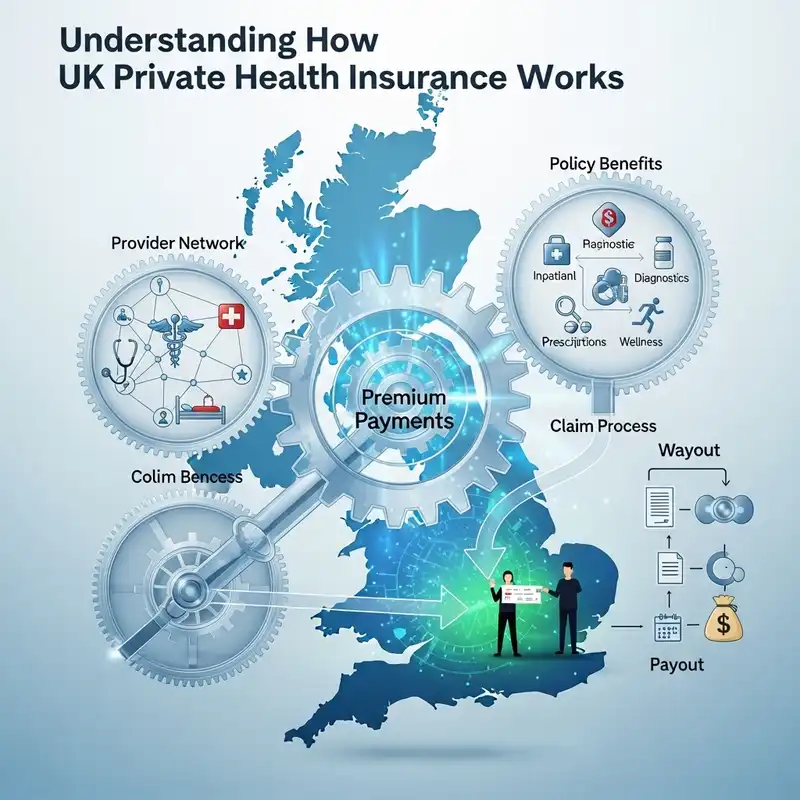

Why private medical insurance and how does it work?
What is Private Medical Insurance?
Private medical insurance (PMI) is a type of health insurance that provides access to private healthcare services in the UK. It covers the cost of private medical treatment, allowing you to bypass NHS waiting lists and receive faster, more convenient care.How does it work?
Private medical insurance works by paying for your private healthcare costs. When you need treatment, you can choose to go private and your insurance will cover the costs, subject to your policy terms and conditions. This can include:• Private consultations with specialists
• Private hospital treatment and surgery
• Diagnostic tests and scans
• Physiotherapy and rehabilitation
• Mental health treatment
Your premium depends on factors like your age, health, occupation, and the level of cover you choose. Most policies offer different levels of cover, from basic to comprehensive, allowing you to tailor the policy to your needs and budget.
Questions to ask yourself regarding private medical insurance
Just ask yourself:👉 Are you concerned about NHS waiting times for treatment?
👉 Would you prefer to choose your own consultant and hospital?
👉 Do you want faster access to diagnostic tests and scans?
👉 Would you like private hospital accommodation and better food?
👉 Do you want to avoid the stress of NHS waiting lists?
Many people don't realise that private medical insurance is more affordable than they think, especially when you consider the value of faster treatment and better facilities. A great insurance policy can provide peace of mind and ensure you receive the care you need when you need it.
Benefits offered by private medical insurance
Private medical insurance provides numerous benefits that can significantly improve your healthcare experience and outcomes:Faster Access to Treatment
One of the biggest advantages is avoiding NHS waiting lists. While the NHS provides excellent care, waiting times can be lengthy. With private medical insurance, you can often receive treatment within days or weeks rather than months.
Choice of Consultant and Hospital
You can choose your preferred consultant and hospital, giving you more control over your healthcare journey. This is particularly important for complex treatments where you want a specific specialist.
Better Facilities and Accommodation
Private hospitals typically offer superior facilities, including private rooms, better food, and more comfortable surroundings. This can make your recovery more pleasant and potentially faster.
Advanced Treatments
Private medical insurance often covers treatments and medications not available on the NHS, giving you access to the latest medical advances and technologies.
Mental Health Support
Many policies include comprehensive mental health coverage, providing faster access to therapy and psychiatric care when needed.
Tax Benefits for Business Owners
If you're self-employed or a business owner, private medical insurance premiums can be tax-deductible, making it a cost-effective way to protect your health and your business.
Peace of Mind
Knowing you have access to private healthcare when you need it provides invaluable peace of mind, especially for those with ongoing health conditions or concerns about NHS capacity.
Private medical insurance is particularly valuable for those who want to take control of their healthcare journey and ensure they receive the best possible treatment when they need it most.
Important Fact!
We can look at a more suitable option mid-term!
Why is it important to get private medical insurance early?
👉 Many people are very thankful that they had their private medical insurance cover in place before running into some serious health issues. Private medical insurance is as important as life insurance for protecting your family's finances.👉 We insure our cars, houses, and even our phones! Yet our health is the most precious thing we have.
Easily one of the most important insurance purchases an individual or family can make in their lifetime, the decision to buy private medical insurance can be made much simpler with the help of FCA-authorised advisers. They are the specialists who do the searching and analysis helping people choose between various types of private medical insurance policies available in the market, including different levels of cover and policy types most suitable to the client's individual circumstances.
It certainly won't do any harm if you speak with one of our experienced insurance experts who are passionate about advising people on financial matters related to private medical insurance and are keen to provide you with a free consultation.
You can discuss with them in detail what affordable private medical insurance plan for the necessary peace of mind they would recommend! WeCovr works with some of the best advisers in the market.
By tapping the button below, you can book a free call with them in less than 30 seconds right now:
Our Group Is Proud To Have Issued 900,000+ Policies!
We've established collaboration agreements with leading insurance groups to create tailored coverage


















How It Works
1. Complete a brief form

2. Our experts analyse your information and find you best quotes

3. Enjoy your protection!

Any questions?
Learn more

Who Are WeCovr?
WeCovr is an insurance specialist for people valuing their peace of mind and a great service.👍 WeCovr will help you get your private medical insurance, life insurance, critical illness insurance and others in no time thanks to our wonderful super-friendly experts ready to assist you every step of the way.
Just a quick and simple form and an easy conversation with one of our experts and your valuable insurance policy is in place for that needed peace of mind!