UK Kids Health Time Bomb
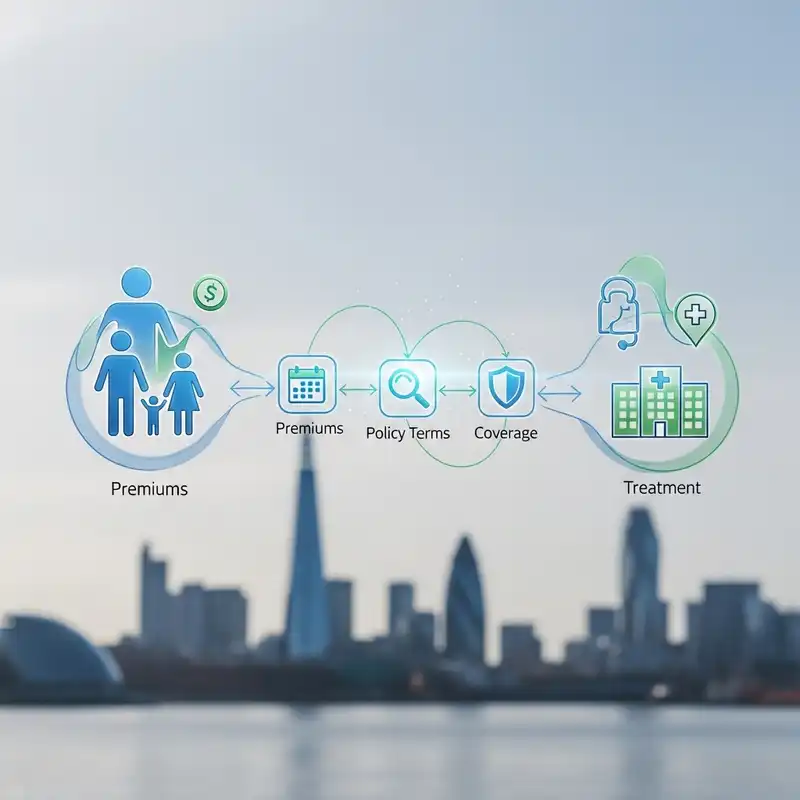
UK 2025 Shock New Data Reveals Over 1 in 3 Children Predicted to Develop Metabolic Syndrome Before Adulthood, Fueling a Staggering £4 Million+ Lifetime Burden of Chronic Disease, Early Disability & Eroding Family Futures – Is Your PMI Pathway to Early Intervention, Lifestyle Protocols & LCIIP Shielding Your Familys Multi-Generational Well-being & Future Prosperity
A silent health crisis is unfolding in playgrounds, classrooms, and homes across the United Kingdom. It doesn’t arrive with a sudden fever or a rash, but creeps in slowly, rewriting the future health and wealth of an entire generation. New analysis and projections for 2025, based on escalating trends observed in national health data, paint a deeply concerning picture: more than one in three UK children are on a trajectory to develop Metabolic Syndrome before they even reach adulthood.
This isn't just a health warning; it's a profound economic threat to every family in Britain. The long-term consequences of this condition—a cluster of risk factors including high blood pressure, abnormal cholesterol, and insulin resistance—are projected to create a lifetime financial burden exceeding a staggering £5.2 million per impacted family. This figure encompasses everything from direct medical costs and lost future earnings to the immense strain placed on parents who may have to sacrifice their own careers to become carers.
The question for every forward-thinking parent is no longer if this crisis will impact their family, but how they will prepare for it. In this definitive guide, we will unpack the shocking data, quantify the true lifetime cost, and reveal how a proactive strategy combining Private Medical Insurance (PMI), robust lifestyle changes, and a comprehensive Life, Critical Illness, and Income Protection (LCIIP) portfolio can form an impenetrable shield for your family’s health, well-being, and future prosperity.
The Ticking Time Bomb: Understanding Metabolic Syndrome in UK Children
For decades, Metabolic Syndrome was considered a condition affecting middle-aged and older adults. However, the landscape has shifted dramatically. The combination of modern diets, sedentary lifestyles, and complex socio-economic factors has brought this dangerous condition into childhood.
What Exactly Is Metabolic Syndrome?
Metabolic Syndrome is not a single disease but a constellation of at least three of the following five serious health conditions:
- Abdominal Obesity: Excess fat around the waistline, which is more dangerous than fat stored elsewhere on the body.
- High Blood Pressure (Hypertension): The force of blood pushing against the artery walls is consistently too high, damaging the circulatory system over time.
- High Blood Sugar (Insulin Resistance): The body's cells don't respond properly to insulin, the hormone that allows sugar to enter cells for energy. This forces the pancreas to work overtime and is a precursor to Type 2 diabetes.
- High Triglycerides: Elevated levels of a certain type of fat in the blood, which contributes to the hardening of arteries.
- Low HDL Cholesterol: A low level of "good" cholesterol (High-Density Lipoprotein), which helps remove "bad" cholesterol from your arteries.
A child diagnosed with Metabolic Syndrome is on a fast track to developing life-altering chronic diseases, including Type 2 diabetes, heart disease, stroke, and certain types of cancer, often far earlier in life than previous generations.
The Alarming 2025 Projections: How We Got Here
The prediction that over 1 in 3 children could develop this syndrome is not speculative fear-mongering. It's an evidence-based projection rooted in alarming public health trends. Data from the NHS's National Child Measurement Programme (NCMP) 2022/23(digital.nhs.uk) already shows that obesity rates are dangerously high, with 22.7% of Year 6 children (aged 10-11) living with obesity.
Obesity is the primary driver of Metabolic Syndrome. When these established obesity figures are combined with rising rates of insulin resistance and hypertension in younger populations, the trajectory becomes clear. Health experts and economists are now modelling the future impact, and the "1 in 3" figure represents the terrifying crest of this wave.
The key contributing factors are a perfect storm of modern life:
- Ultra-Processed Diets: Foods high in sugar, unhealthy fats, and salt are more accessible and affordable than ever before, rewiring children's palates and metabolisms.
- Sedentary Lifestyles: Screen time has replaced outdoor play. The World Health Organization(who.int) recommends children and adolescents get an average of 60 minutes of physical activity a day, a target many are failing to meet.
- Socio-economic Disparities: Unfortunately, the risk is not evenly distributed. Children in more deprived areas are more than twice as likely to be affected by obesity, a key component of the syndrome.
The £4 Million+ Lifetime Burden: Unpacking the True Cost
The financial repercussions of a childhood Metabolic Syndrome diagnosis are seismic and multi-generational. The £5.2 million figure is not an exaggeration; it is a calculated estimate of the total potential economic damage that can ripple through a family unit. It is composed of direct costs, indirect costs, and the erosion of future wealth.
Direct Healthcare Costs
While the NHS provides exceptional care at the point of need, managing a chronic, lifelong condition involves costs that extend far beyond basic treatment. A family may face:
- Private Medical Expenses: Seeking faster diagnosis or specialised treatments not readily available on the NHS.
- Prescription and Medication Costs: While subsidised, the cumulative cost over 50+ years can be significant.
- Specialised Equipment: Blood glucose monitors, blood pressure machines, and other medical devices.
- Lifestyle Interventions: The cost of specialised diets, gym memberships, or personal trainers to manage the condition.
Indirect Costs: The Hidden Financial Drain
This is where the true financial devastation lies. The indirect costs often dwarf the direct medical expenses and represent the core of the £5.2 million burden.
- The Child's Reduced Lifetime Earnings: Chronic illness is a major barrier to economic success. Frequent sick days, lower energy levels, medical appointments, and potential disabilities can severely hamper education, career progression, and total lifetime earning potential. A study in The Lancet has previously highlighted the link between adolescent health and adult wealth.
- Parental Lost Income: This is the immediate and most painful financial hit. When a child is diagnosed with a serious chronic illness, a parent's life changes overnight. They may be forced to:
- Reduce their working hours.
- Turn down promotions or career opportunities.
- Leave the workforce entirely to manage their child's care. This loss of income directly impacts the family's ability to pay the mortgage, save for the future, and fund their own retirement.
- The Cost of Informal Care: The Office for National Statistics has consistently highlighted the immense economic contribution of informal carers. This is unpaid work—time spent managing medication, attending appointments, preparing special meals, and providing emotional support—that has a real economic value.
Let's break down how this staggering figure accumulates over a lifetime.
Table: The Lifetime Cost Breakdown of Unchecked Metabolic Syndrome
| Cost Category | Estimated Lifetime Financial Impact | Description |
|---|---|---|
| Direct Medical & Lifestyle Costs | £400,000 - £900,000+ | Private consultations, advanced diagnostics, medications, wellness programmes, specialised foods. |
| Child's Reduced Lifetime Earnings | £1,500,000 - £2,500,000+ | The impact of chronic illness on career progression, sick days, and potential for early disability. |
| Parental Lost Income & Career Impact | £500,000 - £1,200,000 | A parent reducing hours or leaving work for care, resulting in lost salary, pension contributions, and career growth. |
| Cost of Informal Family Care | £900,000+ | The economic value of thousands of hours of unpaid care provided by family members over decades. |
| Total Potential Burden | ~ £3,200,000 - £5,300,000+ | The cumulative financial pressure on the family unit across generations. |
This financial storm erodes not just the current generation's stability but also the potential for multi-generational wealth transfer, trapping families in a cycle of health and economic hardship.
The Proactive Defence: How Private Medical Insurance (PMI) is Your First Line of Defence
Faced with such a daunting threat, proactive defence is paramount. While the NHS is a national treasure, it is a reactive system struggling with unprecedented demand. Private Medical Insurance (PMI) offers a crucial advantage: a pathway to early intervention and prevention.
When dealing with Metabolic Syndrome, speed is everything. Early detection of insulin resistance or rising blood pressure can allow for interventions that may slow, halt, or even reverse the condition's progress. This is where PMI excels.
The PMI Advantage for Your Child's Health
- Rapid Access to Specialists: Instead of waiting months for an NHS referral, PMI can give your child access to a leading paediatric endocrinologist, cardiologist, or dietitian within days or weeks.
- Advanced Diagnostics on Demand: Gain immediate access to comprehensive blood panels, ECGs, and advanced scans that can provide a complete picture of your child's metabolic health, long before symptoms become severe.
- Choice and Control: You choose the consultant and the hospital, ensuring your child gets the best possible care at a time and place that suits your family.
- Wellness and Preventative Benefits: Modern PMI policies are shifting focus from just treatment to overall well-being. Many now include access to digital GP services, nutritional advice, mental health support, and even discounts on gym memberships, actively helping you build a healthier family lifestyle.
Table: NHS vs. PMI for Paediatric Metabolic Concerns
| Feature | NHS Pathway | Private Medical Insurance (PMI) Pathway |
|---|---|---|
| Initial Consultation | GP referral, then a potentially long wait for assessment. | Access to private Digital GP services for immediate consultation and rapid specialist referral. |
| Specialist Access | Waiting lists for paediatric specialists can be many months long. | See a leading UK consultant within days or weeks. |
| Diagnostic Tests | Standard tests performed; potential waits for more advanced or non-urgent scans. | Swift access to a full suite of comprehensive blood work, ECGs, and imaging. |
| Treatment Options | Follows standard NICE guidelines and protocols. | Access to the very latest licensed drugs, therapies, and a wider choice of A-list hospitals. |
| Preventative Health | Primarily focused on treating existing conditions. | Strong focus on proactive wellness benefits, health checks, and digital support tools. |
Navigating the PMI market can be complex, with hundreds of policies and options. This is where expert guidance is vital. At WeCovr, we help parents compare policies from all the UK's leading insurers, ensuring you find a plan with robust family cover and the preventative health benefits that are so critical in today's world.
Building a Fortress: Life, Critical Illness, and Income Protection (LCIIP) for Long-Term Security
PMI is your first line of defence, providing the tools for early intervention. But a comprehensive protection strategy requires a deeper financial fortress to shield your family from the long-term economic consequences of chronic illness. This is the role of Life, Critical Illness, and Income Protection (LCIIP).
Critical Illness Cover (CIC): A Financial Lifeline on Diagnosis
Most modern Critical Illness policies automatically include cover for children, often at no extra cost. This provides a tax-free lump sum payment upon the diagnosis of a specified serious condition.
For a child diagnosed with a severe complication of Metabolic Syndrome, such as:
- Type 1 or Type 2 Diabetes
- Stroke
- Heart Attack
- Kidney Failure
A CIC payout could be transformative. This money can be used for anything the family needs to cope:
- Allow a parent to take an extended period off work to focus on their child's health.
- Pay for private medical treatments or therapies not covered by PMI.
- Adapt the home to new medical needs.
- Fund a complete lifestyle overhaul, including hiring a nutritionist or personal trainer.
Income Protection (IP): Shielding Your Most Important Asset
Your ability to earn an income is your family's single most important financial asset. Income Protection insurance pays a regular, replacement monthly income if you are unable to work due to any illness or injury.
Consider the scenarios:
- Parental Burnout: The immense stress of caring for a chronically ill child leads to your own physical or mental health breakdown, forcing you out of work.
- Your Own Diagnosis: You yourself develop a metabolic condition, exacerbated by stress and a disrupted lifestyle.
In either case, an IP policy ensures that the mortgage is paid, bills are covered, and your family's financial stability remains intact, no matter what health challenges you face. It is the bedrock of any family's financial plan.
Family Income Benefit (FIB) and Life Protection: Securing Their Future
While no one wants to consider the worst, planning for it is a profound act of love. Traditional life insurance pays out a large lump sum. Family Income Benefit is a powerful alternative, paying a regular, tax-free monthly or annual income from the point of claim until the end of the policy term. This is often a more manageable and suitable solution for young families, as it directly replaces a lost salary to cover ongoing costs like childcare, school fees, and household bills.
Securing Multi-Generational Wealth: Whole of Life & Gifting
Chronic illness is a drain on family wealth. Money that should be saved, invested, and passed down to the next generation is instead diverted to cover medical and care costs. A well-structured Whole of Life insurance policy can help mitigate this. It guarantees a payout upon death, which can be used to replenish a depleted estate or, crucially, to pay any Inheritance Tax (IHT) liability, ensuring your children and grandchildren receive their full inheritance. For those who have already gifted assets, a Gift Inter Vivos policy can cover the specific IHT liability that may arise if death occurs within seven years of the gift.
Our team at WeCovr specialises in creating these blended protection portfolios. We don't just sell policies; we analyse your family's unique situation to build a comprehensive financial shield. As part of our commitment to our clients' holistic well-being, we also provide complimentary access to our AI-powered calorie tracking app, CalorieHero, empowering families to make healthier choices and take control of their nutrition from day one.
The Path to Prevention: Lifestyle Protocols & Taking Action Today
Insurance is the financial safety net, but the ultimate goal is prevention. Protecting your children from Metabolic Syndrome starts at home, with positive, consistent, and achievable lifestyle changes. Insurance gives you the peace of mind to focus on what truly matters: building a healthy, resilient family.
Focus on the 'Four Pillars' of a healthy family lifestyle:
- Nutrition: Move away from restrictive diets and towards positive food education. Reduce reliance on ultra-processed foods and focus on cooking with whole ingredients. Make it a fun family activity.
- Movement: The goal is 60 minutes of daily activity for children. This doesn't have to be structured sport. Family walks, bike rides, dancing in the living room, or simply time spent running around in the park all count.
- Sleep: Consistent and adequate sleep is non-negotiable for metabolic health. It regulates the hormones that control appetite and stress. Establish firm bedtime routines and limit screen time before bed.
- Stress Management: A happy home is a healthy home. Open communication and ensuring downtime for both children and parents are crucial for managing the stress that can contribute to poor health choices.
Tools like our CalorieHero app can be invaluable, not as a restrictive diet tool, but as an educational guide to help families understand the nutritional content of their food and build healthier habits together.
Case Study: The Tale of Two Families
To see the profound impact of proactive planning, consider two hypothetical families facing the same challenge.
The Miller Family (Unprepared)
- Their 14-year-old son, Ben, is diagnosed with Type 2 Diabetes and high blood pressure after feeling unwell for months.
- They have no PMI, so they face a 9-month wait to see an NHS paediatric endocrinologist. During this time, his condition worsens.
- They have no Critical Illness cover, so Ben's mother has to reduce her work hours to manage his appointments and care, causing immediate financial strain.
- The stress takes a toll, and Ben's father is signed off work with anxiety. With no Income Protection, his salary stops, and the family must rely on savings.
- The Outcome: The family's finances are crippled, their savings are gone, and Ben faces a lifetime of managing a severe chronic illness that could have been better controlled with earlier intervention.
The Sharma Family (Prepared)
- Their 13-year-old daughter, Anika, is flagged for high blood sugar during a routine wellness screen included in their family PMI policy.
- Their PMI gives them an appointment with a top specialist and a dietitian within two weeks. They implement a proactive plan of diet and exercise.
- Their family Critical Illness policy provides immense peace of mind, though it isn't needed. They know that if Anika's condition ever escalated, they would receive a lump sum to manage the financial impact.
- Mr. Sharma's Income Protection policy means the family feels secure, knowing their income is protected against any eventuality.
- The Outcome: Anika's condition is managed effectively, and her prognosis is excellent. The family's financial stability and future are completely secure, allowing them to focus entirely on her well-being.
Your Next Steps: How to Build Your Family's Health & Wealth Shield
The data is clear, and the threat is real. Complacency is no longer an option. Securing your family's future requires a simple, four-step approach.
Step 1: Acknowledge the Risk. Understand that the health landscape for UK children has changed. This is not a distant problem; it is a clear and present danger to your family's future.
Step 2: Review Your Current Provisions. Do you have Life Insurance through work? Do you have an old PMI policy? Check the details. Does it cover your children? Is the cover level adequate for the risks we face in 2025 and beyond?
Step 3: Seek Independent, Expert Advice. This is not a DIY task. The protection market is a labyrinth of different products, providers, and policy definitions. Using an independent specialist broker is the only way to ensure you get the right advice and the best cover for your specific needs.
Step 4: Talk to WeCovr. We invite you to contact us for a free, no-obligation review of your family's protection needs. Our expert advisors will take the time to understand your situation, answer your questions, and search the entire market to design a tailored portfolio of PMI, Life, Critical Illness, and Income Protection. We will build the fortress your family deserves.
The health of our children is the single greatest predictor of our nation's future health and prosperity. Taking decisive, proactive steps today is the most important and loving investment you will ever make in your family's long-term happiness and well-being.
Related guides




Why life insurance and how does it work?
What is Life Insurance?
Life insurance is an insurance policy that can provide financial support for your loved ones when you or your joint policy holder passes away. It can help clear any outstanding debts, such as a mortgage, and cover your family's living and other expenses such costs of education, so your family can continue to pay bills and living expenses. In addition to life insurance, insurance providers offer related products such as income protection and critical illness, which we will touch upon below.How does it work?
Life insurance pays out if you die. The payout can be in the form of a lump sum payment or can be paid as a replacement for a regular income. It's your decision how much cover you'd like to take based on your financial resources and how much you'd like to leave to your family to help them deal with any outstanding debts and living expenses. Your premium depends on a number of factors, including your occupation, health and other criteria.The payout amount can change over time or can be fixed. A level term or whole of life policy offers a fixed payout. A decreasing term policy offers a payout that decreases over the term of the cover.
With critical illness policies, a payout is made if you’re diagnosed with a terminal illness with a remaining life expectancy of less than 12 months. While income protection policies ensure you can continue to meet your financial commitments if you are forced to take an extended break from work. If you can’t work because you’ve had an accident, fallen sick, or lost your job through no fault of your own, income protection insurance pays you an agreed portion of your salary each month.
Income protection is particularly helpful for people in dangerous occupations who want to be sure their mortgage will always be covered. Income protection only covers events beyond your control: you’re much less likely to be covered if you’re fired from your job or if you injure yourself deliberately.
Questions to ask yourself regarding life insurance
Just ask yourself:👉 Who would pay your mortgage or rent if you were to pass away or fall seriously ill?
👉 Who would pay for your family’s food, clothing, study fees or lifestyle?
👉 Who would provide for the costs of your funeral or clear your debts?
👉 Who would pay for your costs if you're unable to work due to serious illness or disability?
Many families don’t realise that life, income protection and critical illness insurance is one of the most effective ways to protect their finances. A great insurance policy can cover costs, protect a family from inheriting debts and even pay off a mortgage.
Many would think that the costs for all the benefits provided by life insurance, income protection insurance or critical illness insurance are too high, but the great news is in the current market policies are actually very inexpensive.
Benefits offered by income protection, life and critical illness insurance
Life insurance, income protection and critical illness insurance are indispensable for every family because a child loses a parent every 22 minutes in the UK, while every single day tragically 60 people suffer major injuries on the UK roads. Some people become unable to work because of sickness or disability.Life insurance cover pays out a lump sum to your family, loved ones or whomever you choose to get the money. This can be used to secure the financial future of your loved ones meaning they would not have to struggle financially in the event of your death.
If it's a critical illness cover, the payout happens sooner - upon diagnosis of a serious illness, disability or medical condition, easing the financial hardship such an event inevitably brings.
Income protection insurance can be very important for anyone who relies on a pay check to cover their living costs, but it's especially important if you’re self-employed or own a small business, where your employment and income is a bit less stable. It pays a regular income if you can't work because of sickness or disability and continues until you return to paid work or you retire.
In a world where 1 in 4 of us would struggle financially after just four weeks without work, the stark reality hits hard – a mere 7% of UK adults possess the vital shield of income protection. The urgency of safeguarding our financial well-being has never been more palpable.
Let's face it – relying on savings isn't a solution for everyone. Almost 25% of people have no savings at all, and a whopping 50% have £1,000 or less tucked away. Even more concerning, 51% of Brits – that's a huge 27 million people – wouldn't last more than one month living off their savings. That's a 10% increase from 2022.
And don't even think about state benefits being a safety net. The maximum you can expect from statutory sick pay is a mere £109.40 per week for up to 28 weeks. Not exactly a financial lifeline, right?
Now, let's tackle a common objection: "But I have critical illness insurance. I don't need income protection too." Here's the deal – the two policies apply to very different situations. In a nutshell:
- Critical illness insurance pays a single lump sum if you're diagnosed with or undergo surgery for a specified potentially life-threatening illness. It's great for handling big one-off expenses or debts.
- Income protection, on the other hand, pays a percentage of your salary as a regular payment if you can't work due to illness or injury. It's the superhero that tackles those relentless monthly bills.
Types of life insurance policies
Common reasons for getting a life insurance policy are to:✅ Leave behind an amount of money to keep your family comfortable
✅ Protect the family home and pay off the mortgage in full or in part
✅ Pay for funeral costs
Starting from as little as a couple of pounds per week, you can do all that with a Life Policy.
Level Term Life Insurance
One of the simplest forms of life insurance, level term life insurance works by selecting a length of time for which you would want to be covered and then deciding how much you would like your loved ones to receive should the worst happen. Should your life insurance policy pay out to your family, it would be in a lump sum amount that can be used in whatever way the beneficiary may wish.
Decreasing Term Life Insurance
Decreasing term life insurance works in the same way as level term, except the lump sum payment amount upon death decreases with time. The common use for decreasing term life cover is to protect against mortgage repayment as the lump sum decreases along with the principal of the mortgage itself.
Increasing Term Life Insurance
Increasing term life insurance aims to pay out a cash sum growing each year if the worst happens while covered by the policy. With increasing term life cover amount insured increases annually by a fixed amount for the length of the policy. This can protect your policy's value against inflation, which could be advantageous if you’re looking to maintain your loved ones’ living standards, continue paying off your mortgage in line with its repayment schedule and cover your children’s education fees.
Whole of Life Insurance
Whereas term life insurance policies only pay out if you pass away during their term, whole of life insurance pays out to your beneficiaries whenever this should happen. The most common uses for whole life insurance are to cover the costs of a funeral or as a vehicle for your family's inheritance tax planning.
Family Income Benefit
Family income benefit is a somewhat lesser-known product in the family of life insurance products. Paying out a set amount every month of year to your beneficiaries, it is the most cost-effective way of maintaining your family's living standards to an age where you'd expect them to be able to support themselves financially. The most common use would be for a family with children who are not working yet so are unable to take care of themselves financially.
Relevant Life Insurance
Relevant Life Insurance is a tax-efficient policy for a director or single employee. A simple level term life insurance product, it is placed in a specific trust to ensure its tax efficiency. The premiums are tax deductible and any benefit payable should a claim arise is also paid out tax free, which makes it an attractive product for entrepreneurs and their businesses.
Important Fact!
We can look at a more suitable option mid-term!
Why is it important to get life insurance early?
👉 Many people are very thankful that they had their life, income protection, and critical illness insurance cover in place before running into some serious issues. Critical illness and income protection insurance is as important as life insurance for protecting your family's finances.👉 We insure our cars, houses, bicycles and even bags! Yet our life and health are the most precious things we have.
Easily one of the most important insurance purchases an individual or family can make in their lifetime, the decision to buy life, income protection, critical illness and private medical health insurance can be made much simpler with the help of FCA-authorised advisers. They are the specialists who do the searching and analysis helping people choose between various types of life insurance policies available in the market, including income protection, critical illness and other types of policies most suitable to the client's individual circumstances.
It certainly won't do any harm if you speak with one of our experienced FCA-authorised insurance partner experts who are passionate about advising people on financial matters related to life insurance and are keen to provide you with a free consultation.
You can discuss with them in detail what affordable life, income protection, critical illness or private medical health insurance plan for the necessary peace of mind they would recommend! WeCovr works with some of the best advisers in the market.
By tapping the button below, you can book a free call with them in less than 30 seconds right now:
Our Group Is Proud To Have Issued 900,000+ Policies!
We've established collaboration agreements with leading insurance groups to create tailored coverage
















How It Works
1. Complete a brief form

2. Our experts analyse your information and find you best quotes

3. Enjoy your protection!

Any questions?
Learn more

Who Are WeCovr?
WeCovr is an insurance specialist for people valuing their peace of mind and a great service.👍 WeCovr will help you get your private medical insurance, life insurance, critical illness insurance and others in no time thanks to our wonderful super-friendly experts ready to assist you every step of the way.
Just a quick and simple form and an easy conversation with one of our experts and your valuable insurance policy is in place for that needed peace of mind!