TL;DR
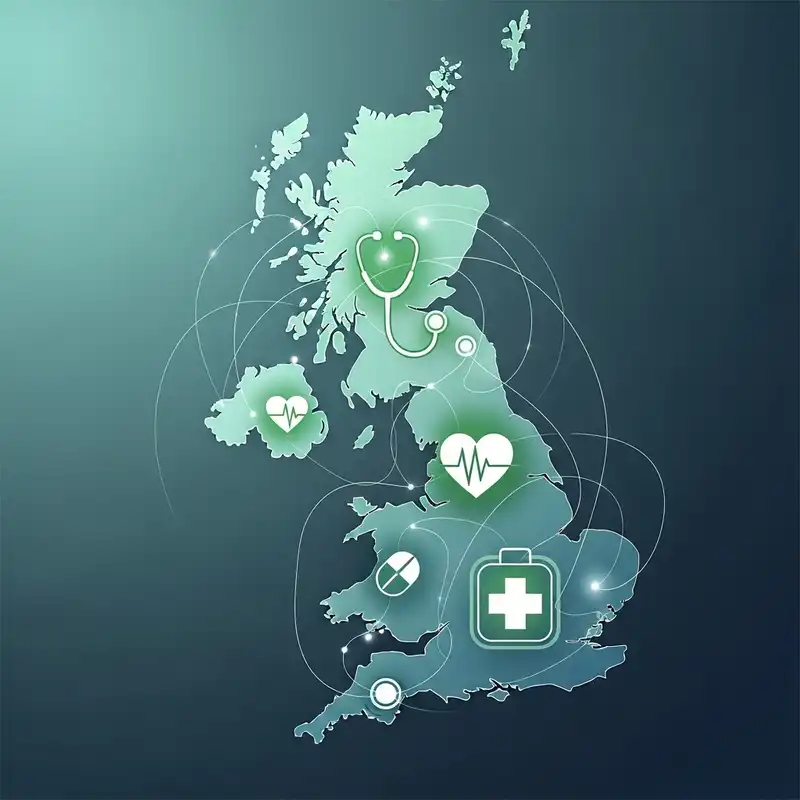
A landmark 2025 analysis has cast a stark light on the United Kingdom's escalating health crisis. The findings are sobering: an estimated two in three Britons are now on a trajectory to face the "Health Cliff," a term coined to describe the premature onset of multiple, interlinked chronic diseases before the age of 55. This isn't a distant threat; it's a clear and present danger to our nation's wellbeing and financial stability.
Key takeaways
- Social Care: The cost of care at home (domiciliary care) can range from £20-£30 per hour. Full-time residential care costs average between £40,000 and £60,000 per year, rising significantly for specialist nursing care. With a potential need for care spanning 10-20 years, the total can easily exceed £1 million.
- Home Adaptations: Installing a stairlift, converting a bathroom into a wet room, or widening doorways can cost tens of thousands of pounds.
- Private Therapies: NHS waiting lists for physiotherapy, occupational therapy, and mental health support can be long. Many people turn to private providers, with costs quickly accumulating.
- Mobility Aids: Specialised wheelchairs, vehicles, and other essential equipment are often only partially funded, if at all.
- Higher insurance premiums for travel and vehicles.
UK Health Cliff Early Disease £48m Burden
A landmark 2025 analysis has cast a stark light on the United Kingdom's escalating health crisis. The findings are sobering: an estimated two in three Britons are now on a trajectory to face the "Health Cliff," a term coined to describe the premature onset of multiple, interlinked chronic diseases before the age of 55.
This isn't a distant threat; it's a clear and present danger to our nation's wellbeing and financial stability. The report quantifies the devastating lifetime cost of this early health decline at over £4.8 million per individual affected. This staggering figure isn't just about medical bills; it represents a crushing combination of lost earning potential, the spiralling costs of unfunded social care, and the profound erosion of quality of life.
The culprits are not mysterious pathogens, but familiar, lifestyle-driven conditions: type 2 diabetes, cardiovascular disease, high blood pressure, and specific cancers. These diseases, once associated with later life, are now arriving decades earlier, creating a perfect storm of personal and economic hardship.
But this future is not set in stone. By understanding the cliff edge, we can build a bridge to a healthier, more secure future. This guide will illuminate the two critical pillars of that bridge: a proactive health strategy powered by Private Medical Insurance (PMI) and a robust financial safety net built with Life and Critical Illness and Income Protection (LCIIP).
Deconstructing the Health Cliff: A Nation's Wellbeing at a Tipping Point
The concept of the "Health Cliff" describes a sudden and significant decline in an individual's health, marked by the arrival of not one, but multiple long-term conditions. This phenomenon, known medically as multimorbidity, is happening at an increasingly younger age.
Data from the Office for National Statistics (ONS) and NHS Digital paints a concerning picture. While life expectancy has increased over the past decades, healthy life expectancy – the number of years we live in good health – has stagnated. This means more of us are living longer, but in poorer health.
Key Drivers of the Early Onset Health Cliff:
- Rising Obesity Rates: The UK has one of the highest obesity rates in Western Europe. According to recent NHS figures, over 64% of adults in England are classified as overweight or obese. Obesity is a primary risk factor for a host of chronic illnesses.
- Sedentary Lifestyles: An ONS survey highlighted that approximately one in five adults in the UK are classified as "physically inactive," failing to achieve even 30 minutes of moderate activity per week.
- Poor Diet: The widespread availability of ultra-processed, high-sugar, and high-fat foods has fundamentally altered the nation's diet, contributing directly to conditions like type 2 diabetes and high cholesterol.
- Chronic Stress & Poor Sleep: Modern work culture, financial pressures, and an 'always-on' digital environment contribute to chronic stress and disrupt sleep, both of which are known to have profound negative impacts on cardiovascular and metabolic health.
The convergence of these factors means that conditions that once manifested in our 60s and 70s are now commonly diagnosed in our 40s and early 50s, creating a domino effect where one illness exacerbates another.
The £4.8 Million Burden: Unpacking the True Cost of Ill Health
The headline figure of a £4.8 million lifetime burden can seem abstract. However, when broken down, its real-world impact becomes terrifyingly clear. This is not a one-off cost but a cumulative, lifelong financial drain that affects individuals, families, and the wider economy. (illustrative estimate)
Let's dissect how this figure is constructed for an individual experiencing a significant health event at age 55.
1. Lost Earning Potential: The Biggest Contributor
This is the most significant part of the financial burden. A serious health diagnosis can force an individual out of the workforce prematurely, or at the very least, necessitate a reduction in hours and responsibilities.
| Component of Lost Earnings | Illustrative Calculation & Assumptions | Potential Lifetime Loss |
|---|---|---|
| Direct Lost Salary | Average UK full-time salary (£35,000) from age 55 to State Pension Age (67) with no further pay rises. | £420,000 |
| Lost Pension Contributions | Missed employer/employee contributions (e.g., 8% of salary) for 12 years, plus lost investment growth. | £150,000+ |
| Lost Career Progression | Inability to accept promotions or bonuses that could have significantly increased earnings in the final decade of a career. | £200,000 - £500,000+ |
| Spouse/Partner Impact | A partner may need to reduce their own working hours or leave their job to become a carer, compounding the loss. | £250,000+ |
| Total Potential Loss | (Illustrative) | £1,020,000+ |
Note: These are illustrative figures. For high earners, such as company directors or senior professionals, the lost earning potential could easily be two or three times this amount.
2. Unfunded Health and Social Care Costs
While the NHS provides exceptional care at the point of need, it does not cover everything. The costs associated with long-term care and lifestyle adaptations can be ruinous.
- Social Care: The cost of care at home (domiciliary care) can range from £20-£30 per hour. Full-time residential care costs average between £40,000 and £60,000 per year, rising significantly for specialist nursing care. With a potential need for care spanning 10-20 years, the total can easily exceed £1 million.
- Home Adaptations: Installing a stairlift, converting a bathroom into a wet room, or widening doorways can cost tens of thousands of pounds.
- Private Therapies: NHS waiting lists for physiotherapy, occupational therapy, and mental health support can be long. Many people turn to private providers, with costs quickly accumulating.
- Mobility Aids: Specialised wheelchairs, vehicles, and other essential equipment are often only partially funded, if at all.
3. The Wider "Hidden" Costs
Beyond direct costs, there are numerous other financial impacts:
- Higher insurance premiums for travel and vehicles.
- Increased utility bills from being at home more often.
- The cost of specialised diets or nutritional supplements.
- Loss of 'free' family support, such as childcare for grandchildren.
When you combine a decade or more of lost high-earning potential, the staggering cost of long-term care, and the myriad hidden expenses, the £4.8 million figure transitions from a shocking headline to a plausible, devastating reality for a growing number of UK families.
The Proactive Pathway: Using Private Medical Insurance (PMI) for Prevention and Early Intervention
The traditional view of health insurance is that it's for when you get sick. The modern, essential view is that it's a tool to keep you from getting sick in the first place, or to intervene at the earliest possible stage. This is where Private Medical Insurance (PMI) becomes a cornerstone of your proactive health strategy.
While the NHS is a national treasure, it is under unprecedented strain. Waiting lists for diagnostics and treatment can stretch for months, even years. For lifestyle-driven diseases, this delay can be the difference between a manageable condition and a life-altering one.
How PMI Helps You Get Ahead of the Health Cliff:
-
Rapid Diagnostics: Feeling unwell? A GP referral through your PMI policy can mean seeing a specialist consultant in days, not months. An MRI, CT, or PET scan can often be arranged within a week. This speed is critical for conditions where early detection dramatically improves outcomes, such as cancer or heart disease.
-
Access to Preventative Health & Wellness Benefits: Modern PMI is no longer just about treatment. Insurers are actively investing in keeping their members healthy.
- Health Screenings: Many policies offer regular health checks, giving you a detailed snapshot of your blood pressure, cholesterol, blood sugar, and more, allowing you to catch issues before they become symptomatic.
- Mental Health Support: Recognising the link between mental and physical health, most PMI plans now include extensive support for mental wellbeing, from counselling sessions to access to digital therapy apps.
- Wellness Incentives: Some insurers offer discounts on gym memberships, fitness trackers, and healthy food, actively rewarding you for taking care of your health.
-
Choice and Control: PMI gives you control over your healthcare journey. You can choose your specialist, select the hospital for your treatment, and schedule procedures at a time that suits your life and work, minimising disruption.
-
Access to Advanced Treatments: In some cases, PMI can provide access to new drugs, treatments, or surgical techniques that may not yet be widely available on the NHS due to funding constraints.
| Feature of PMI | NHS Standard | PMI Advantage |
|---|---|---|
| Specialist Referral | Weeks to months | Days |
| Diagnostic Scan (e.g., MRI) | Months | Often within a week |
| Elective Surgery (e.g., hip) | Often 18+ months | Weeks |
| Choice of Hospital/Consultant | Limited to local trust | Extensive choice |
| Proactive Health Screening | Limited availability | Often included as a benefit |
For individuals, families, and especially for time-poor business owners, PMI is not a luxury; it's an essential investment in your single most important asset: your health.
The Financial Shield: Why LCIIP is Non-Negotiable
While PMI protects your physical health, a robust protection insurance portfolio shields your financial health. If you do fall ill, the last thing you or your family need is the added stress of financial ruin. Life, Critical Illness, and Income Protection (LCIIP) cover forms a three-pronged defence.
1. Income Protection (IP): The Bedrock of Your Financial Plan
Often described by financial experts as the most important insurance you can own, Income Protection is designed to do one thing: replace a significant portion of your monthly income if you are unable to work due to any illness or injury.
- How it Works: You choose a monthly benefit (typically 50-70% of your gross salary) and a "deferred period" (the time you wait before payments start, e.g., 4, 13, 26, or 52 weeks). If you're signed off work by a doctor, the policy pays you a tax-free monthly income until you can return to work, the policy term ends, or you retire.
- Why it's Crucial (illustrative): Statutory Sick Pay (SSP) in the UK is just £116.75 per week (as of 2024/25) and only lasts for 28 weeks. Could your family survive on that? For most, the answer is a resounding no. IP bridges the gap, allowing you to pay your mortgage, bills, and maintain your lifestyle while you focus on recovery.
2. Critical Illness Cover (CIC): A Lump Sum for Life-Changing Events
Critical Illness Cover pays out a one-off, tax-free lump sum if you are diagnosed with one of a list of predefined serious conditions. Policies typically cover 50+ conditions, with the most common claims being for cancer, heart attack, and stroke.
- How it's Used: This lump sum provides vital breathing room. It can be used for anything:
- Clear a mortgage or other debts.
- Pay for private medical treatment or specialist care.
- Adapt your home.
- Replace a partner's income if they need to take time off to care for you.
- Simply provide a financial buffer to reduce stress during a difficult time.
At WeCovr, we help clients understand the nuances of different CIC policies, as the definitions and conditions covered can vary significantly between insurers.
3. Life Insurance: Protecting Your Loved Ones' Future
Life insurance is the ultimate expression of financial responsibility. It pays out a lump sum upon your death, ensuring your family is not left with a legacy of debt.
- Term Life Insurance: The most common and affordable type. It covers you for a fixed period (the 'term'), such as the length of your mortgage. If you pass away during the term, it pays out.
- Family Income Benefit: A variation of term insurance that pays out a regular, tax-free income rather than a lump sum, making it easier for a family to budget.
- Whole of Life Cover: This policy guarantees a payout whenever you die, making it a useful tool for covering funeral costs or for inheritance tax planning.
A well-structured LCIIP portfolio ensures that no matter what health challenges you face, your financial foundations remain unshaken.
A Specialist Focus: Protection for Directors, Business Owners & the Self-Employed
If you run your own business or are self-employed, you are uniquely exposed to the risks of the Health Cliff. You have no employer sick pay scheme, no death-in-service benefit, and the success of your enterprise often rests squarely on your shoulders. Fortunately, specialist insurance products exist to mitigate these risks.
Executive Income Protection
This is a policy taken out and paid for by your limited company. It protects the income of a key employee – you.
- Key Advantage: The premiums are typically considered a legitimate business expense, making them tax-deductible for the company. The benefit is paid to the company, which then pays it to you via PAYE. It's a highly tax-efficient way to secure your personal income.
Key Person Insurance
What would happen to your business if you, or another vital employee, were suddenly unable to work due to a critical illness or death? Key Person Insurance is designed to protect the business itself.
- How it Works: The business takes out a policy on a 'key person'. If that person is diagnosed with a critical illness or dies, the policy pays a lump sum to the business.
- What it's Used For: The funds can be used to recruit a replacement, cover lost profits during the disruption, or reassure lenders and investors that the business can weather the storm.
Relevant Life Cover
This is a tax-efficient alternative to a personal life insurance policy for company directors and employees.
- How it Works: The company pays the premiums for a life insurance policy for the employee. Like Executive IP, the premiums are usually an allowable business expense.
- The Benefit: The payout goes into a discretionary trust, so it goes directly to the employee's family, bypassing the business. Crucially, it does not form part of the employee's lifetime pension allowance.
| Protection Type | Who is Protected? | Who Pays & Tax Benefit? |
|---|---|---|
| Personal Income Protection | You (the individual) | You (from post-tax income) |
| Executive Income Protection | You (via your company) | Your Ltd Company (premiums are a business expense) |
| Key Person Insurance | The Business | Your Ltd Company (premiums are a business expense) |
| Relevant Life Cover | Your Family (via your company) | Your Ltd Company (premiums are a business expense) |
For any business owner, exploring these options is not just prudent financial planning; it is fundamental to ensuring the survival of your enterprise.
Beyond the Core: Other Essential Protection Policies
While the LCIIP shield is central, other specialised products can address specific needs.
-
Personal Sick Pay: This is a form of short-term income protection, often favoured by those in riskier professions like tradespeople, electricians, or nurses. It typically has a very short deferred period (e.g., one week) and pays out for a limited time (e.g., 12 or 24 months), providing immediate support for shorter-term incapacities.
-
Gift Inter Vivos Insurance: A savvy tool for Inheritance Tax (IHT) planning. If you gift a significant sum of money or an asset (like a property) to someone, it is still considered part of your estate for IHT purposes if you die within seven years. This policy is a life insurance plan that runs for seven years, with the payout designed to cover the potential IHT bill on the gift, ensuring your beneficiaries receive its full value.
Your Proactive Wellness Toolkit: Small Steps, Big Impact
Insurance is the safety net, but proactive lifestyle changes are the best way to avoid falling in the first place. You can significantly lower your risk of encountering the Health Cliff by focusing on four key areas.
1. Diet & Nutrition
Ditch the diet mentality and focus on sustainable, healthy eating.
- Prioritise Whole Foods: Build your meals around vegetables, fruits, lean proteins, and whole grains.
- Limit Ultra-Processed Foods: These are often packed with unhealthy fats, sugar, and salt that drive inflammation and weight gain.
- Stay Hydrated: Aim for 2-3 litres of water a day. Dehydration can impact everything from energy levels to cognitive function.
To support our clients on their health journey, WeCovr provides complimentary access to our proprietary AI-powered calorie and nutrition tracking app, CalorieHero. It makes understanding your food intake simple and effective, helping you build healthier habits that last.
2. Physical Activity
The goal is movement, not marathon running.
- Aim for 150 Minutes: The NHS recommends 150 minutes of moderate-intensity activity (like a brisk walk, cycling, or swimming) or 75 minutes of vigorous-intensity activity (like running or HIIT) per week.
- Incorporate Strength Training: Building muscle mass helps boost your metabolism and protect your joints. Aim for two sessions a week using weights, resistance bands, or your own body weight.
- Stay Active Daily: Take the stairs, walk during your lunch break, get off the bus a stop early. Every little bit counts.
3. Sleep
Sleep is not a luxury; it is a vital biological function.
- Consistent Schedule: Go to bed and wake up at roughly the same time every day, even on weekends.
- Create a Restful Environment: Your bedroom should be dark, quiet, and cool.
- Digital Detox: Avoid screens (phones, tablets, TVs) for at least an hour before bed. The blue light disrupts the production of the sleep hormone melatonin.
4. Stress Management
Chronic stress is a silent killer.
- Practice Mindfulness: Techniques like meditation, deep breathing exercises, or yoga can help calm your nervous system.
- Spend Time in Nature: Even a short walk in a park has been shown to reduce stress levels.
- Connect with Others: Nurture your relationships with friends and family. Social connection is a powerful buffer against stress.
Charting Your Course to a Resilient Future
The "Health Cliff" is a formidable challenge, but it is not an insurmountable one. The path forward is a dual strategy: actively protecting your physical health while concurrently building an impenetrable fortress around your financial wellbeing.
-
Your Health Pathway: Leverage the power of Private Medical Insurance for rapid diagnostics, specialist access, and preventative care. Take control of your lifestyle through informed choices about diet, exercise, sleep, and stress.
-
Your Financial Shield: Implement a robust LCIIP strategy. Income Protection to secure your salary, Critical Illness Cover to provide a lump sum for major health shocks, and Life Insurance to protect your family's future. For business owners, exploring executive and business-specific protection is essential.
Navigating the complexities of the UK insurance market can be overwhelming. Policies, providers, and premiums vary widely. This is where independent, expert advice is invaluable.
At WeCovr, we specialise in helping individuals, families, and businesses find the right protection. We compare the entire market, demystifying the jargon and tailoring a strategy that fits your unique circumstances and budget. We believe in empowering our clients not only with the right financial products but also with tools like our CalorieHero app to foster genuine, lasting wellbeing.
Don't wait to reach the cliff edge. The time to build your bridge to a healthier, more financially resilient future is now.
Sources
- Office for National Statistics (ONS): Mortality and population data.
- Association of British Insurers (ABI): Life and protection market publications.
- MoneyHelper (MaPS): Consumer guidance on life insurance.
- NHS: Health information and screening guidance.