TL;DR
A silent epidemic is sweeping through the UK workforce, impacting our careers, finances, and well-being. At WeCovr, an FCA-authorised expert in private medical insurance, we have helped over 750,000 Britons secure vital protection. This article explores the shocking rise of brain fog and explains how the right health cover can provide a crucial lifeline.
Key takeaways
- You're overlooked for a partnership or directorship because your performance has dipped. Your cognitive sharpness, once your greatest asset, is now unreliable.
- Illustrative estimate: This single missed promotion could mean a loss of £100,000+ per year in salary and bonuses. Over a 15-year period, that’s a £1.5 million shortfall.
- The constant struggle becomes too much. You're burnt out and decide to retire at 55 instead of 65.
A silent epidemic is sweeping through the UK workforce, impacting our careers, finances, and well-being. At WeCovr, an FCA-authorised expert in private medical insurance, we have helped over 750,000 Britons secure vital protection. This article explores the shocking rise of brain fog and explains how the right health cover can provide a crucial lifeline.
UK Brain Drain Half of Britons Battle Brain Fog
It’s the feeling of walking into a room and forgetting why you’re there. It’s struggling to find the right word in an important meeting. It’s the constant mental haze that makes focus feel like a superpower you no longer possess. This is 'brain fog', and according to startling new 2025 survey data, it’s not just an occasional annoyance—it’s a chronic reality for more than half of the UK's working population.
This isn't just about feeling a bit 'off'. This cognitive drain is fuelling a national productivity crisis, stalling careers, and forcing talented professionals into early retirement. The financial consequences are just as severe, with the potential lifetime cost for high-earning professionals spiralling past an astonishing £4.5 million.
But there is a path back to clarity. Private Medical Insurance (PMI) offers a powerful toolkit for taking back control—providing rapid access to diagnostics, expert specialists, and personalised treatments to protect your most valuable asset: your mind.
The Silent Epidemic: Understanding the UK's Brain Fog Crisis
Brain fog isn't a formal medical diagnosis. Instead, it’s a term used to describe a collection of symptoms that affect your ability to think clearly. If you've ever felt like your brain is running on dial-up in a fibre-optic world, you know the feeling.
Common Symptoms of Brain Fog:
- Difficulty concentrating or focusing on tasks
- Short-term memory problems
- Mental fatigue, even after a full night's sleep
- Feeling 'hazy', confused, or disoriented
- Taking longer than usual to complete simple tasks
- Trouble processing information or following conversations
What's behind this widespread cognitive slump? It's a complex web of modern-day pressures and physiological factors.
| Potential Cause | Description |
|---|---|
| Post-Viral Syndromes | Conditions like Long Covid have brought post-viral fatigue and cognitive issues to the forefront. The ONS estimates that a significant number of people experience persistent symptoms, with 'brain fog' being one of the most reported. |
| Chronic Stress & Burnout | The 'always-on' work culture floods our bodies with cortisol, the stress hormone. Prolonged exposure can impair memory and cognitive function. |
| Poor Sleep Quality | Millions of Britons suffer from inadequate sleep. The brain cleanses itself of toxins during deep sleep; without it, cognitive performance plummets. |
| Nutritional Deficiencies | Diets lacking in essential nutrients like B vitamins, iron, and omega-3 fatty acids can directly impact brain health and energy levels. |
| Hormonal Changes | Fluctuations during perimenopause, menopause, or due to thyroid disorders can have a profound effect on mental clarity and memory. |
| Sedentary Lifestyle | Lack of physical activity reduces blood flow to the brain, starving it of the oxygen and nutrients it needs to function optimally. |
| Underlying Medical Issues | Brain fog can be a key symptom of undiagnosed conditions such as anaemia, diabetes, depression, or autoimmune diseases. |
For many, it's a combination of these factors, creating a perfect storm that leaves them feeling drained and unable to perform at their best.
The £4.5 Million Question: The Devastating Lifetime Cost of Brain Fog
The term "brain fog" might sound mild, but its financial impact is anything but. The staggering £4.5 million+ figure represents the potential lifetime financial burden for a high-earning professional whose career is derailed by chronic cognitive decline.
Let's break down how these costs accumulate for a hypothetical City professional earning £200,000 per year: (illustrative estimate)
-
Career Stagnation & Lost Promotions (£1,500,000+) (illustrative):
- You're overlooked for a partnership or directorship because your performance has dipped. Your cognitive sharpness, once your greatest asset, is now unreliable.
- Illustrative estimate: This single missed promotion could mean a loss of £100,000+ per year in salary and bonuses. Over a 15-year period, that’s a £1.5 million shortfall.
-
Premature Retirement (£2,000,000) (illustrative):
- The constant struggle becomes too much. You're burnt out and decide to retire at 55 instead of 65.
- Illustrative estimate: That’s ten years of lost peak earnings. At a salary of £200,000, this equates to £2 million in lost gross income.
-
Lost Pension Contributions (£500,000+) (illustrative):
- Fewer working years means significantly lower pension contributions from both you and your employer.
- Illustrative estimate: Losing ten years of contributions on a high salary, plus the compound growth, can easily result in a pension pot that is £500,000 to £750,000 smaller than it should have been.
-
Productivity Loss & 'Presenteeism' (£500,000) (illustrative):
- Even before retirement, you're not operating at full capacity. This 'presenteeism'—being at work but not fully functional—can equate to a 25% loss in productivity.
- Illustrative estimate: Over ten years, that's a value loss of £500,000 (£200k salary x 25% x 10 years).
While this is an example for a top earner, the principle applies to everyone. A teacher missing out on a head of department role, a skilled tradesperson unable to manage their business effectively, or an office worker stuck in a junior role—the financial and personal costs are immense at every level.
The NHS Reality: A System Under Pressure
The NHS is a national treasure, providing incredible care under immense pressure. However, when it comes to the complex, multi-faceted symptoms of brain fog, navigating the system can be challenging.
- Waiting Lists: Getting a referral to a specialist like a neurologist or endocrinologist can take months, sometimes longer. The NHS's own data regularly highlights the long waits for specialist consultations and diagnostic tests.
- Time Constraints: A standard 10-minute GP appointment is often insufficient to unravel the complex web of symptoms associated with brain fog.
- Fragmented Care: Coordinating appointments between different specialists to get a holistic view of the problem can be a slow and frustrating process.
This is where private medical insurance UK offers a tangible advantage, providing a parallel pathway to accelerate diagnosis and treatment for acute conditions that may be causing your symptoms.
Your PMI Lifeline: Fast-Tracking Your Path to Cognitive Clarity
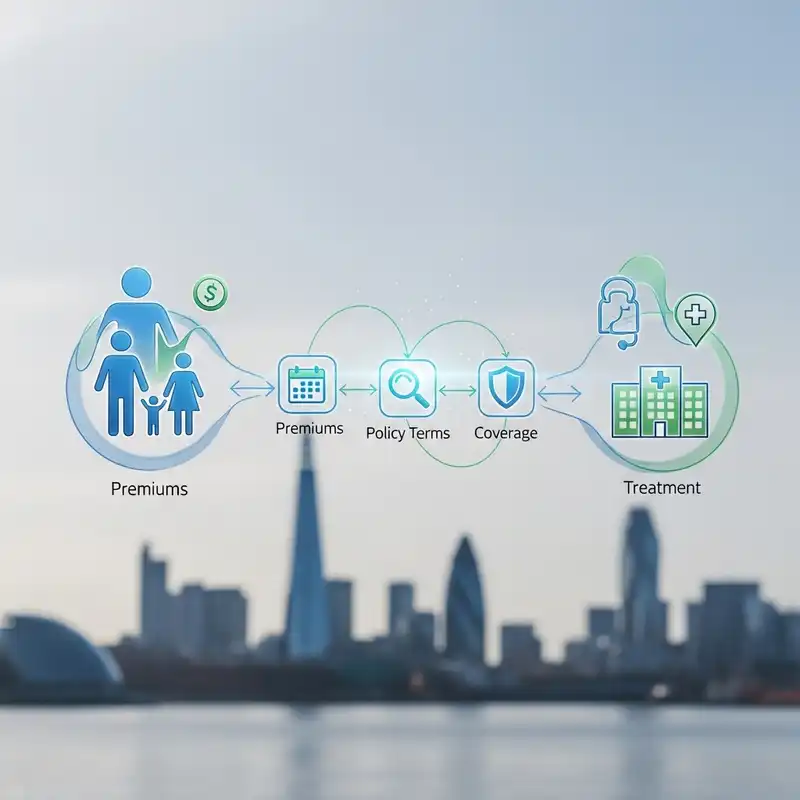
Private health cover is designed to work alongside the NHS, giving you choice, speed, and control when new health concerns arise. For brain fog, its power lies in rapidly investigating the underlying cause.
Here’s how a robust PMI policy can help:
- Swift Specialist Access: Instead of waiting months, you could see a leading private neurologist, endocrinologist, or psychiatrist within days or weeks. This speed is critical for getting answers and starting a treatment plan.
- Advanced Neuro-Diagnostics: PMI policies typically cover the costs of high-tech scans to rule out or identify serious issues. This can include:
- MRI Scans: To get a detailed picture of the brain and nervous system.
- CT Scans: Often used to detect structural abnormalities.
- Comprehensive Blood Tests: To check for everything from vitamin deficiencies and thyroid function to inflammatory markers and hormonal imbalances.
- Personalised Treatment Pathways: Once an acute condition is diagnosed, PMI can cover a range of therapies:
- Mental Health Support: Access to counselling or therapy to manage the stress and anxiety that often accompany and exacerbate brain fog. Most top-tier policies now include extensive mental health cover.
- Nutritionist & Dietitian Consultations: To develop a diet plan that supports optimal brain function.
- Physiotherapy: To create an exercise regimen that boosts blood flow and cognitive vitality.
An expert PMI broker like WeCovr can help you navigate the market to find a policy with strong outpatient benefits, ensuring your diagnostic journey is fully covered. Furthermore, WeCovr clients gain complimentary access to CalorieHero, our AI-powered calorie and nutrition tracking app, helping you take immediate, proactive control of your diet.
LCIIP: The Ultimate Shield for Your Professional Future
To truly protect yourself from the devastating financial impact of health-related career disruption, you need a holistic strategy. We call this the Lifetime Career Impact Insurance Protection (LCIIP) framework. It's not a single product, but a powerful combination of insurance covers that work together.
| Protection Type | How It Shields You |
|---|---|
| Private Medical Insurance (PMI) | Pays for Diagnosis & Treatment. This is your first line of defence. It funds the swift private consultations, scans, and therapies needed to find out what's wrong and get you treated quickly for new, acute conditions. |
| Income Protection | Replaces Your Salary. If your brain fog is so severe that a doctor signs you off work, this policy pays you a tax-free monthly income (typically 50-70% of your salary) until you can return to work or retire. |
| Critical Illness Cover | Provides a Lump Sum. If your brain fog is found to be a symptom of a serious, specified underlying condition (like a stroke, cancer, or multiple sclerosis), this cover pays out a large, tax-free lump sum to use as you see fit. |
At WeCovr, we believe in comprehensive protection. Our experts can advise you on the right blend of cover to create your personal LCIIP shield. Plus, clients who purchase PMI or Life Insurance with us can benefit from exclusive discounts on other types of protection.
Proactive Steps You Can Take Today: Your Personal Brain Health Toolkit
While insurance is your safety net, you can start building cognitive resilience today with simple lifestyle changes. Think of these as the fundamental pillars supporting your brain's health.
| Pillar of Brain Health | Actionable Steps |
|---|---|
| Nourish | Adopt a Mediterranean-style diet rich in leafy greens, colourful vegetables, oily fish (for omega-3s), nuts, and berries. Reduce processed foods, sugar, and excessive alcohol. Stay hydrated. |
| Sleep | Aim for 7-9 hours of quality sleep per night. Create a routine: go to bed and wake up at the same time. Make your bedroom a cool, dark, quiet sanctuary. Avoid screens for an hour before bed. |
| Move | Engage in at least 150 minutes of moderate aerobic exercise (like brisk walking or cycling) per week. Physical activity boosts blood flow, delivering vital oxygen to the brain. |
| Relax | Practice stress-management techniques daily. This could be 10 minutes of mindfulness meditation, deep breathing exercises, yoga, or simply spending time in nature. |
| Challenge | Keep your brain active and engaged. Learn a new language, take up a musical instrument, do puzzles, read widely, and maintain strong social connections. |
Choosing the Best PMI Provider for Cognitive Health
The UK private medical insurance market is competitive, with several excellent providers offering strong benefits for investigating issues like brain fog. The best PMI provider for you will depend on your budget, location, and specific needs.
Here is an illustrative comparison of what top insurers might offer:
| Insurer | Key Brain Health Benefits | Mental Health Support | Typical Outpatient Limits |
|---|---|---|---|
| Bupa | Extensive access to consultants and diagnostic centres. Strong focus on comprehensive health assessments. | Integrated mental health pathways, with cover for therapy and psychiatric care often included. | Options range from around £500 to unlimited, depending on the policy level. |
| AXA Health | Fast-track appointment services. Access to a wide network of specialists and hospitals. | Strong emphasis on mental wellbeing with access to therapists and support lines. | Flexible limits on diagnostics and consultations, often a key area to tailor your policy. |
| Vitality | Unique wellness programme that rewards healthy living (exercise, good nutrition) with discounts and benefits. | Comprehensive mental health cover, often linked to their wellness programme rewards. | Outpatient cover can be tailored, with rewards potentially boosting your benefits. |
| Aviva | Strong hospital lists and specialist access. Often praised for straightforward claims processes. | Good mental health options, including their 'Mental Health Pathway' for guided support. | A range of selectable outpatient limits to help manage the premium. |
This is just a snapshot. Comparing the intricate details of each policy—from specific outpatient limits to excesses and hospital lists—is complex. This is why using an independent, expert broker like WeCovr is so valuable. We do the hard work for you, comparing the entire market to find the optimal private health cover for your needs and budget, at no cost to you.
The Critical PMI Caveat: Pre-existing and Chronic Conditions
This is the single most important concept to understand about private medical insurance in the UK.
PMI is designed to cover acute conditions that arise after your policy begins. It does not cover chronic or pre-existing conditions.
- Acute Condition: A disease, illness, or injury that is likely to respond quickly to treatment and lead to a full recovery (e.g., a cataract, a hernia, or investigating a new symptom to find an underlying treatable cause).
- Chronic Condition: A condition that is long-lasting, has no known cure, and requires ongoing management (e.g., diabetes, asthma, established dementia, or ME/CFS). The NHS provides care for chronic conditions.
- Pre-existing Condition: Any ailment for which you have experienced symptoms, sought advice, or received treatment in the years immediately before taking out your policy (typically the last 5 years).
How does this apply to brain fog?
- If you develop brain fog symptoms after your policy starts: PMI is perfect. It will pay for the private specialist consultations and diagnostic tests to find the acute, treatable cause.
- If you have already seen your GP about brain fog before taking out a policy: This will be classed as a pre-existing condition and will be excluded from cover, at least initially. Most policies use "moratorium underwriting," which may cover it later if you remain symptom-free and require no treatment for a continuous two-year period after your policy starts.
Understanding this distinction is key to having the right expectations and using your policy effectively.
Does private medical insurance cover tests for brain fog?
Is Long Covid covered by private health insurance?
What is the difference between an acute and a chronic condition for PMI?
How can a PMI broker like WeCovr help me?
Your cognitive health is your greatest professional and personal asset. Don't let brain fog dictate your future. Take control today.
Contact WeCovr for a free, no-obligation quote and let our expert advisors help you find the private medical insurance that will shield your mind, protect your career, and secure your future.
Sources
- NHS England: Waiting times and referral-to-treatment statistics.
- Office for National Statistics (ONS): Health, mortality, and workforce data.
- NICE: Clinical guidance and technology appraisals.
- Care Quality Commission (CQC): Provider quality and inspection reports.
- UK Health Security Agency (UKHSA): Public health surveillance reports.
- Association of British Insurers (ABI): Health and protection market publications.