TL;DR
As an FCA-authorised expert broker that has helped arrange over 900,000 policies, WeCovr is at the forefront of the UK’s health and insurance landscape. This article explores a growing threat to our nation's cognitive health and details how a robust private medical insurance policy can serve as your first line of defence.
Key takeaways
- GP Appointment: You'll discuss your symptoms with your GP.
- Initial Screening: They may conduct a brief cognitive test (like the GPCOG) and basic blood tests to rule out simple causes.
- Referral Wait: If they suspect a neurological issue, you will be placed on a waiting list to see a specialist. As of 2025, waiting lists for consultant-led elective care in the NHS involve millions of patients, and waits for neurology can be particularly long—often many months.
- Specialist Assessment: Eventually, you will see a neurologist who may order further standard tests, like an MRI scan.
- Fast-Track GP: Many PMI policies include access to a digital GP, often available 24/7. You can get an appointment within hours.
As an FCA-authorised expert broker that has helped arrange over 900,000 policies, WeCovr is at the forefront of the UK’s health and insurance landscape. This article explores a growing threat to our nation's cognitive health and details how a robust private medical insurance policy can serve as your first line of defence.
UK Brain Drain 1 in 3 Britons Face Cognitive Threat
A silent crisis is unfolding in workplaces across Britain. It’s not about the economy or a new virus, but something far more personal: our ability to think clearly. New analysis, drawing on the latest UK health and productivity data, paints a stark picture. It suggests that more than one in three working Britons are now grappling with persistent symptoms of early cognitive decline and "brain fog."
This isn't just about occasionally forgetting a name. It’s a pervasive issue that’s quietly sabotaging careers, straining relationships, and escalating the future risk of serious neurological conditions like dementia. The economic fallout is staggering. For a high-earning professional, the lifetime financial burden of unchecked cognitive decline—factoring in lost promotions, reduced earning potential, and future care costs—can exceed a shocking £4.1 million.
But there is a solution. A modern private medical insurance (PMI) policy is no longer just for operations and hospital stays. It is your strategic pathway to taking control of your cognitive health. Through PMI, you can gain rapid access to advanced neuro-cognitive diagnostics, consult with leading specialists, and implement personalised brain health protocols designed to protect your most valuable asset: your mind. This is your shield, ensuring your peak performance today and your longevity tomorrow.
The Silent Epidemic: Deconstructing the UK's Brain Fog Crisis
You feel it when you can’t find the right word in a crucial meeting. You notice it when complex tasks that were once easy now feel overwhelming. This is "brain fog," and it’s the most common symptom of a wider trend of early cognitive decline affecting millions in the UK.
What is Early Cognitive Decline?
It's a subtle but persistent reduction in cognitive abilities, such as:
- Memory: Difficulty recalling recent conversations, appointments, or information.
- Executive Function: Trouble with planning, organising, and decision-making.
- Processing Speed: Finding it takes longer to understand and respond to information.
- Attention: Inability to focus, being easily distracted, or losing your train of thought.
According to the latest data from the Health and Safety Executive (HSE), 875,000 workers in the UK are suffering from work-related stress, depression, or anxiety—all major contributors to cognitive symptoms. When combined with the estimated 1.9 million people living with Long COVID (where brain fog is a primary complaint), and millions more suffering from poor sleep, the "1 in 3" figure becomes a deeply concerning reality.
The £4.1 Million+ Lifetime Burden: A Financial Breakdown
This figure represents the potential lifetime financial impact on a mid-career professional whose cognitive performance begins to falter. The calculation is based on a combination of factors:
- Career Stagnation (illustrative): Missing out on promotions and salary increases. A career that stalls at £70,000 instead of progressing to £150,000+ can represent over £2 million in lost earnings over a lifetime.
- Productivity Loss: Reduced efficiency leading to lower bonuses or being overlooked for key projects.
- Poor Financial Decisions: Cognitive fog can impair judgment, leading to costly financial mistakes in investments or personal budgeting.
- Future Health & Social Care Costs (illustrative): Early cognitive decline is a significant risk factor for dementia. The average cost of dementia care in the UK can be between £30,000 and £50,000 per year, potentially wiping out savings and property wealth.
| Cost Factor | Estimated Lifetime Impact (High-Earner) | How It Happens |
|---|---|---|
| Lost Earnings & Promotions | £1.5M - £2.5M | Career path flattens due to perceived underperformance. |
| Lost Pension Growth | £500k - £1M | Lower contributions and compound growth due to stalled salary. |
| Impaired Investment Returns | £250k - £500k | Sub-optimal financial decisions and risk management. |
| Future Care Costs (Dementia) | £300k - £600k+ | Potential need for 5-10+ years of residential or at-home care. |
| Total Estimated Burden | Up to £4.1M+ | A catastrophic financial outcome from a health issue that starts subtly. |
What's Fuelling the Fire? The Triggers of Modern Cognitive Decline
Our brains are being assaulted by the pressures of modern life. Understanding the triggers is the first step towards fighting back.
- Chronic Stress & Burnout: The "always-on" work culture floods our system with cortisol, a stress hormone that is toxic to brain cells over long periods. It impairs memory formation and recall.
- Sleep Deprivation: The brain's cleaning service, the glymphatic system, works primarily during deep sleep to clear out metabolic waste. Consistently poor sleep means this toxic waste builds up, directly impacting cognitive function.
- Poor Nutrition: Diets high in ultra-processed foods, sugar, and unhealthy fats promote inflammation, which is a key driver of cognitive decline. Deficiencies in vital nutrients like Vitamin B12, Vitamin D, and Omega-3 fatty acids are widespread and directly linked to brain fog.
- Sedentary Lifestyles: Physical exercise increases blood flow to the brain and stimulates the release of Brain-Derived Neurotrophic Factor (BDNF), a protein crucial for the growth of new brain cells. Too much sitting is literally starving your brain.
- Post-Viral Syndromes (e.g., Long COVID): A significant number of people experience persistent neurological symptoms, including severe brain fog, after viral infections. The exact mechanisms are still being researched but are thought to involve neuro-inflammation and disruption to the brain's blood supply.
The NHS vs. Private Health Cover: Two Divergent Paths to Diagnosis
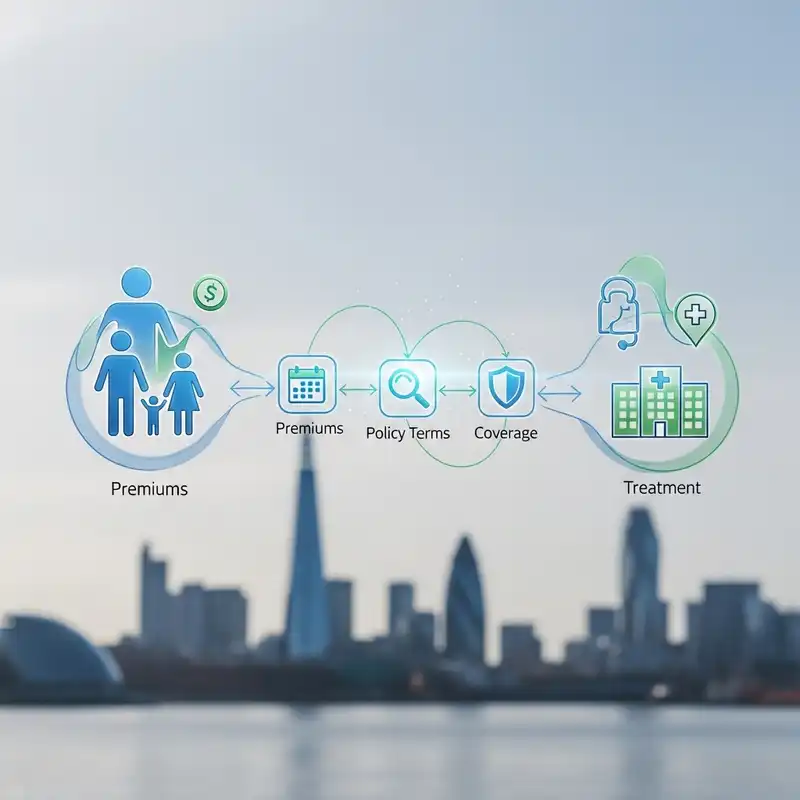
When you approach your GP with concerns about your memory or focus, you begin a journey. The path you take, however, can differ dramatically depending on whether you rely solely on the NHS or have private medical insurance.
The Standard NHS Pathway
- GP Appointment: You'll discuss your symptoms with your GP.
- Initial Screening: They may conduct a brief cognitive test (like the GPCOG) and basic blood tests to rule out simple causes.
- Referral Wait: If they suspect a neurological issue, you will be placed on a waiting list to see a specialist. As of 2025, waiting lists for consultant-led elective care in the NHS involve millions of patients, and waits for neurology can be particularly long—often many months.
- Specialist Assessment: Eventually, you will see a neurologist who may order further standard tests, like an MRI scan.
The NHS provides excellent emergency and critical care, but for proactive and diagnostic services for "subtle" issues like brain fog, the system is under immense pressure. The focus is often on identifying established disease rather than early intervention and optimisation.
The PMI Advantage: Speed, Access, and Choice
Private health cover transforms this timeline.
- Fast-Track GP: Many PMI policies include access to a digital GP, often available 24/7. You can get an appointment within hours.
- Swift Specialist Referral: The GP can provide an open referral, allowing you to choose a leading neurologist or cognitive specialist from a nationwide list, often with an appointment secured in days or weeks, not months.
- Direct Access to Advanced Diagnostics: Your chosen specialist can immediately authorise cutting-edge tests that go far beyond the standard, giving a much clearer picture of your brain health.
Critical Information: Pre-Existing and Chronic Conditions It is vital to understand that standard private medical insurance in the UK is designed to cover acute conditions that arise after your policy begins. It does not cover pre-existing conditions. Furthermore, if your cognitive decline is diagnosed as a chronic condition (a long-term illness that cannot be cured, like Alzheimer's disease), PMI will cover the diagnostic phase but not the long-term management of the condition itself. This is why acting early is so crucial.
Your PMI Toolkit: Advanced Diagnostics for Peak Cognitive Performance
With the right PMI policy, you unlock a suite of powerful diagnostic tools that can pinpoint the root causes of your cognitive issues. This is about moving from "I think I have brain fog" to "I know why I have brain fog, and here is my plan to fix it."
| Diagnostic Tool | Standard NHS Availability | Private Availability (via PMI) | What It Reveals |
|---|---|---|---|
| Basic Blood Tests | Yes (e.g., FBC, thyroid) | Yes, standard | Checks for anaemia, thyroid issues. |
| Comprehensive Blood Panels | Limited / Specialist Only | Widely available | Full hormone profile, inflammatory markers (hs-CRP), B vitamins, Vitamin D, Omega-3 index, heavy metals. |
| GP Cognitive Screen | Yes (e.g., GPCOG, MMSE) | Yes, as baseline | A simple, high-level test for significant impairment. |
| Neuropsychological Testing | Specialist Referral (Long Wait) | Rapid Access | A detailed, multi-hour assessment of memory, attention, and executive function by a psychologist. |
| Standard MRI Scan | Specialist Referral (Long Wait) | Rapid Access | Looks for structural issues like tumours, stroke damage, or significant brain shrinkage. |
| Advanced Neuroimaging | Very Limited / Research Only | Available at Specialist Centres | Includes fMRI (functional MRI) to see the brain in action, and SPECT scans to measure blood flow, revealing functional deficits. |
| Quantitative EEG (qEEG) | Not Routinely Available | Available at Specialist Centres | Maps brainwave activity to identify patterns associated with brain fog, anxiety, or attention deficits. |
By using these tools, a private specialist can move beyond a generic diagnosis and build a Personalised Brain Health Protocol just for you. This might include targeted nutritional supplements, a bespoke diet plan, specific forms of cognitive training, stress-management techniques like biofeedback, or a tailored exercise regime.
This proactive approach is what we call building your Long-term Cognitive Impairment Insurance Protection (LCIIP). It's not a product, but a strategy. By using PMI to diagnose and reverse early cognitive decline now, you are actively "insuring" your future cognitive health and shielding yourself from the devastating personal and financial costs of conditions like dementia.
How to Choose the Right Private Medical Insurance UK Policy
Not all private health cover is created equal. To ensure you have the right protection for your cognitive health, you need to focus on specific features within a policy.
- Comprehensive Outpatient Cover: This is non-negotiable. Outpatient cover pays for your specialist consultations and, most importantly, the advanced diagnostic tests. Policies with a low outpatient limit (£500-£1,000) may not be sufficient for a full neurological work-up.
- Mental Health Cover: Since conditions like anxiety and depression are major contributors to brain fog, having robust mental health cover is crucial. This provides access to psychiatrists and therapists who can be part of your recovery team.
- Therapies Cover: Look for cover that includes access to therapies like Cognitive Behavioural Therapy (CBT), which can be highly effective for managing the stress and anxiety that fuel cognitive symptoms.
- Proactive Wellness Benefits: Modern insurers like Aviva, Bupa, and Vitality are increasingly including wellness programmes. These offer rewards for healthy living, gym discounts, and access to health-tracking apps. These features empower you to make the lifestyle changes your specialist recommends.
As an independent and FCA-authorised PMI broker, WeCovr can help you navigate these complexities. We compare policies from across the market to find the one with the right level of diagnostic and mental health cover for your needs and budget, at no cost to you.
Take Control Today: Proactive Steps for a Sharper Mind
While PMI is your key to specialist care, you can start protecting your brain today with simple, powerful lifestyle changes.
- Eat for Your Brain: Adopt a Mediterranean-style diet rich in oily fish (for Omega-3), leafy greens, berries (for antioxidants), nuts, and olive oil.
- Move Your Body: Aim for 150 minutes of moderate-intensity exercise per week. This could be brisk walking, cycling, or swimming. Include strength training twice a week.
- Prioritise Sleep: Create a relaxing bedtime routine. Banish screens from the bedroom. Aim for 7-9 hours of quality sleep per night.
- Challenge Your Mind: Never stop learning. Take up a new language, learn a musical instrument, do puzzles, or read challenging books. Social interaction is also a powerful cognitive workout.
- Manage Stress: Practice mindfulness or meditation for 10-15 minutes a day. Spend time in nature. Ensure you take proper breaks from work to decompress.
As a WeCovr client, you also get complimentary access to CalorieHero, our AI-powered calorie and nutrition tracking app, making it easier than ever to optimise your diet for brain health.
The WeCovr Advantage: Your Partner in Health and Longevity
Navigating the private medical insurance UK market can be confusing. That's where we come in. WeCovr is not an insurer; we are your expert advocate.
- Independent & Impartial: We are authorised by the Financial Conduct Authority (FCA) and work for you, not the insurance companies.
- Market-Wide Access: We have access to policies from all the leading UK providers, ensuring you get the best possible cover at a competitive price.
- Expert Guidance: Our specialists understand the nuances of different policies and can pinpoint the best PMI provider for your specific needs, whether that's comprehensive cancer care, mental health support, or advanced diagnostics for cognitive health.
- Value-Added Benefits: When you arrange your PMI or life insurance through WeCovr, we offer exclusive discounts on other insurance products and provide complimentary access to our CalorieHero app. Our service is highly rated by our customers for its clarity and effectiveness.
Don't let brain fog cast a shadow over your future. The time to act is now. Protect your career, your financial well-being, and your long-term health.
Will private medical insurance cover a dementia diagnosis?
Can I get private health cover if I am already experiencing brain fog?
Do I need a GP referral to use my PMI for cognitive tests?
How much does PMI with good diagnostic and mental health cover cost?
Take the first step towards protecting your cognitive future. Contact WeCovr today for a free, no-obligation quote and discover how private medical insurance can safeguard your most valuable asset.
Sources
- NHS England: Waiting times and referral-to-treatment statistics.
- Office for National Statistics (ONS): Health, mortality, and workforce data.
- NICE: Clinical guidance and technology appraisals.
- Care Quality Commission (CQC): Provider quality and inspection reports.
- UK Health Security Agency (UKHSA): Public health surveillance reports.
- Association of British Insurers (ABI): Health and protection market publications.