Tonsillitis in Children Private ENT Options

As an FCA-authorised expert with experience in over 900,000 policies, WeCovr understands the stress of a sick child. This guide explores how private medical insurance in the UK provides a fast-track solution for tonsillitis, offering peace of mind when your family needs it most.
Learn about tonsillitis symptoms and how PMI helps with faster ENT access
When your child is suffering from recurring bouts of tonsillitis, the cycle of GP visits, antibiotics, and sleepless nights can feel endless. The worry is compounded by the prospect of long NHS waiting lists for specialist treatment. For many parents, this is where private medical insurance (PMI) becomes an invaluable lifeline, offering a swift and direct path to an Ear, Nose, and Throat (ENT) specialist.
This comprehensive guide will walk you through everything you need to know about tonsillitis in children, the treatment pathways available, and how a private health cover plan can help your child get the care they need, when they need it.
What Is Tonsillitis? A Guide for Concerned Parents
Tonsillitis is the inflammation of the tonsils, which are the two small, oval-shaped pads of tissue at the back of the throat. They are part of the body's immune system, acting as a first line of defence against germs entering through the mouth and nose. Sometimes, however, the tonsils themselves become overwhelmed by infection.
Common Symptoms of Tonsillitis in Children:
- A very sore throat, making it painful to swallow
- Red, swollen tonsils, sometimes with white spots or pus
- High temperature (fever) of 38°C or above
- Headache and earache
- Feeling sick and tired
- Swollen, tender glands in the neck
- Bad breath
- A "scratchy" or "croaky" voice
In younger children who can't describe their symptoms, you might notice they are drooling, refusing to eat or drink, or are unusually fussy.
Types of Tonsillitis:
It's important to understand the different classifications, as this can affect treatment options and insurance eligibility.
- Acute Tonsillitis: A single episode of tonsillitis that typically resolves within a week or two with rest, fluids, and sometimes antibiotics if it's a bacterial infection.
- Recurrent Tonsillitis: This is when a child experiences multiple episodes of acute tonsillitis over a year. It's the most common reason for considering a tonsillectomy.
- Chronic Tonsillitis: A persistent, low-grade infection of the tonsils, causing long-term symptoms like a chronic sore throat, bad breath, and tender neck glands.
The NHS Pathway for Children's Tonsillitis: A Reality Check
The National Health Service provides excellent care, but it is currently facing unprecedented demand. For a non-life-threatening but highly disruptive condition like recurrent tonsillitis, this can mean significant waits.
The Typical NHS Journey:
- GP Appointment: You visit your GP, who diagnoses tonsillitis and usually prescribes rest or antibiotics.
- Monitoring: For recurrent cases, your GP will monitor the frequency of infections.
- Referral Criteria: To be referred to an NHS ENT specialist for a possible tonsillectomy, your child typically needs to meet strict criteria. The widely used SIGN (Scottish Intercollegiate Guidelines Network) guidelines suggest surgery if the child has had:
- Seven or more episodes in the last year.
- Five or more episodes in each of the last two years.
- Three or more episodes in each of the last three years.
- ENT Waiting List: If you meet the criteria, your child is placed on a waiting list for a consultation with an ENT specialist.
- Surgical Waiting List: If the specialist agrees that a tonsillectomy is necessary, your child is then placed on another, often longer, waiting list for the surgery itself.
UK Waiting List Statistics
According to the latest NHS England data, the referral to treatment (RTT) pathway can be lengthy. As of late 2024, millions of people are on the waiting list for consultant-led elective care. For the ENT specialty specifically:
- The median waiting time for treatment can be several months.
- Tens of thousands of patients often wait longer than 18 weeks, with a significant number waiting over a year for their procedure.
This wait can mean months or even years of missed school, disrupted sleep, and recurring pain for your child, not to mention the stress and time off work for you as a parent.
How Private Medical Insurance UK Transforms the Experience
Private Medical Insurance (PMI) is designed to work alongside the NHS, giving you and your family more control, choice, and speed when it comes to healthcare. For a condition like recurrent tonsillitis, the difference is night and day.
The Private Pathway with PMI:
- GP Referral: You visit your NHS GP and ask for a private referral to an ENT specialist. Many PMI policies also include access to a 24/7 digital GP service, allowing you to get a referral in minutes from your own home.
- Choose Your Specialist: Your insurer provides a list of approved ENT specialists, allowing you to choose one based on their expertise, reputation, and location.
- Prompt Consultation: You can typically secure an appointment with the private specialist within days or a couple of weeks, bypassing the long NHS wait.
- Swift Diagnosis & Treatment: The specialist will assess your child, and if a tonsillectomy is recommended, it can be scheduled promptly.
- Surgery Within Weeks: Instead of waiting months or years, the tonsillectomy is often performed within a few weeks at a private hospital of your choice.
| Stage of Treatment | Typical NHS Pathway | Typical Private/PMI Pathway |
|---|---|---|
| GP Referral | Must meet strict criteria for ENT referral. | An open referral from a GP is usually sufficient. |
| Wait for Specialist | Months. | Days to weeks. |
| Choice of Specialist | Assigned by the NHS Trust. | You choose from a list approved by your insurer. |
| Wait for Surgery | Months to over a year. | Weeks. |
| Hospital Stay | NHS ward, potentially with several other patients. | Private room, often with a bed for a parent to stay. |
The Critical Point: Pre-existing and Chronic Conditions
This is the most important rule of private medical insurance to understand. Standard UK PMI policies are designed to cover acute conditions that arise after your policy has started.
- Acute Condition: A disease, illness, or injury that is likely to respond quickly to treatment and lead to a full recovery (e.g., a bout of tonsillitis, a broken bone).
- Chronic Condition: A condition that is long-lasting, has no known cure, and needs ongoing management (e.g., diabetes, asthma). PMI does not cover the routine management of chronic conditions.
- Pre-existing Condition: Any illness or symptom you (or your child) had before the start date of your health insurance policy.
If your child has already been diagnosed with recurrent tonsillitis before you take out a policy, it will almost certainly be excluded as a pre-existing condition. This is why the best time to invest in private health cover is when your family is healthy.
Underwriting Options:
When you apply for PMI, the insurer will "underwrite" your policy to decide what they will and won't cover.
- Moratorium Underwriting: This is the most common type. The insurer doesn't ask for your full medical history upfront. Instead, they automatically exclude any condition you've had symptoms of or treatment for in the last five years. However, if you then go two full years without any symptoms, advice, or treatment for that condition after your policy starts, it may become eligible for cover.
- Full Medical Underwriting (FMU): You provide your full medical history on an application form. The insurer then tells you upfront exactly what will be excluded from your policy. This provides certainty but means any known issues, like past tonsillitis, will be permanently excluded.
An expert PMI broker like WeCovr can help you navigate these options to find the best underwriting method for your family's circumstances.
The Tonsillectomy Procedure: A Private Patient's Journey
Knowing what to expect can ease a lot of the anxiety around surgery for both you and your child.
A tonsillectomy is a routine surgical procedure to remove the tonsils. It's performed under general anaesthetic and usually takes about 30 minutes.
The Private Hospital Experience:
- Comfort: You'll be given a private, en-suite room. This calm environment is far less intimidating for a child than a busy open ward.
- Parental Stay: Most private hospitals have a fold-out bed in the room, allowing one parent to stay overnight with their child, providing constant reassurance.
- Post-Operative Care: Your child will be closely monitored in a comfortable recovery area before returning to their room. Nursing staff have more time to dedicate to individual patient needs.
Recovery Tips for Your Child:
Recovery from a tonsillectomy usually takes about two weeks. The main challenge is a sore throat.
- Pain Relief: Follow the hospital's schedule for giving regular painkillers. Staying ahead of the pain is key.
- Food and Drink: Encourage your child to drink plenty of fluids to avoid dehydration. While ice cream and jelly are soothing treats, it's important for them to start eating normal food like toast and cereal as soon as they can. Chewing and swallowing helps the throat heal faster.
- Rest: Your child will need to rest at home and stay off school for up to two weeks to avoid picking up any infections while they heal.
Choosing the Right PMI Policy for Your Family
Not all policies are created equal. When looking for private medical insurance for your family, consider these key elements:
- Outpatient Cover: This is crucial. It covers the initial consultations with the ENT specialist and any diagnostic tests needed before surgery is approved. Some basic policies have low financial limits on outpatient cover (£500-£1,000), which may not be enough. A comprehensive plan will offer full cover.
- Hospital List: Insurers have different tiers of hospital lists. Check that the hospitals in your chosen network are conveniently located and have good paediatric facilities.
- Excess: This is the amount you agree to pay towards the cost of a claim. A higher excess (e.g., £500) will lower your monthly premium, but you'll need to pay it if you make a claim. A lower excess (e.g., £100) means a higher premium.
- Child-Friendly Benefits: Look for insurers that specialise in family cover, offering perks like accommodation for a parent in hospital and good mental health support.
Working with an independent broker is the easiest way to compare the market. At WeCovr, we don't charge you a fee for our service. We take the time to understand your family's needs and budget, then compare policies from the UK's leading insurers to find the perfect match.
Added Value: The Extra Benefits of Modern PMI
Today's best PMI providers offer more than just hospital cover. These added benefits can be incredibly useful for busy families.
- 24/7 Digital GP: Get medical advice, prescriptions, and referrals day or night without leaving your home. This is a game-changer when your child is unwell in the middle of the night.
- Mental Health Support: Many policies include access to counselling and therapy, which can be a vital resource for parents dealing with the stress of a chronically ill child.
- Wellness and Lifestyle Perks: Insurers often provide discounts on gym memberships, health screenings, and fitness trackers to encourage a healthy lifestyle.
- Exclusive WeCovr Benefits: When you arrange a policy through WeCovr, you not only get expert, free advice but also gain complimentary access to our AI-powered nutrition app, CalorieHero, helping your family build healthy eating habits. Furthermore, our clients often receive discounts on other policies, such as life or home insurance. Our commitment to service is reflected in our high customer satisfaction ratings across independent review websites.
Frequently Asked Questions (FAQs)
Will private health insurance cover a tonsillectomy if my child already has tonsillitis?
Generally, no. Standard private medical insurance in the UK does not cover pre-existing conditions. If your child has a documented history of recurrent tonsillitis before the policy starts, it will be excluded from cover. The best strategy is to secure health insurance when your family is healthy to ensure future acute conditions are covered.
How much does a private tonsillectomy cost in the UK without insurance?
The cost of a self-funded private tonsillectomy in the UK can vary significantly depending on the hospital and location, but you can expect it to be in the range of £2,500 to £4,000. This typically includes the surgeon's and anaesthetist's fees, hospital costs, and one follow-up appointment. A comprehensive PMI policy would cover these costs in full, minus any excess.
Can I use my NHS GP for a referral to a private specialist?
Yes, absolutely. This is a standard and common practice. You can visit your NHS GP and request an "open referral" letter for private treatment. They will provide a letter outlining your child's medical history and symptoms, which you can then give to the private specialist of your choice. Alternatively, many PMI policies now offer a Digital GP service for an even faster referral.
Is it worth getting private medical insurance just for my children?
Many insurers offer child-only policies, but adding children to a parent's policy is often the most cost-effective solution. The value lies in providing rapid access to specialists and treatment for a range of acute conditions, not just tonsillitis. It offers peace of mind that for issues like grommets for glue ear, hernia repairs, or diagnostics for unexplained symptoms, you can bypass long waiting lists and get your child treated quickly.
Take the Next Step to Protect Your Family
Watching your child suffer through repeated illnesses while facing long waits for treatment is a situation no parent wants to be in. Private medical insurance offers a powerful solution, providing the speed, choice, and comfort that can make all the difference.
By planning ahead and securing cover before health issues arise, you give your family a priceless gift: the peace of mind that comes from knowing expert care is just a phone call away.
Ready to protect your family and skip the queues? Contact WeCovr today for a free, no-obligation quote. Our friendly, expert team will help you compare the UK's leading insurers and find the right private medical insurance for you.
Related guides



Why private medical insurance and how does it work?
What is Private Medical Insurance?
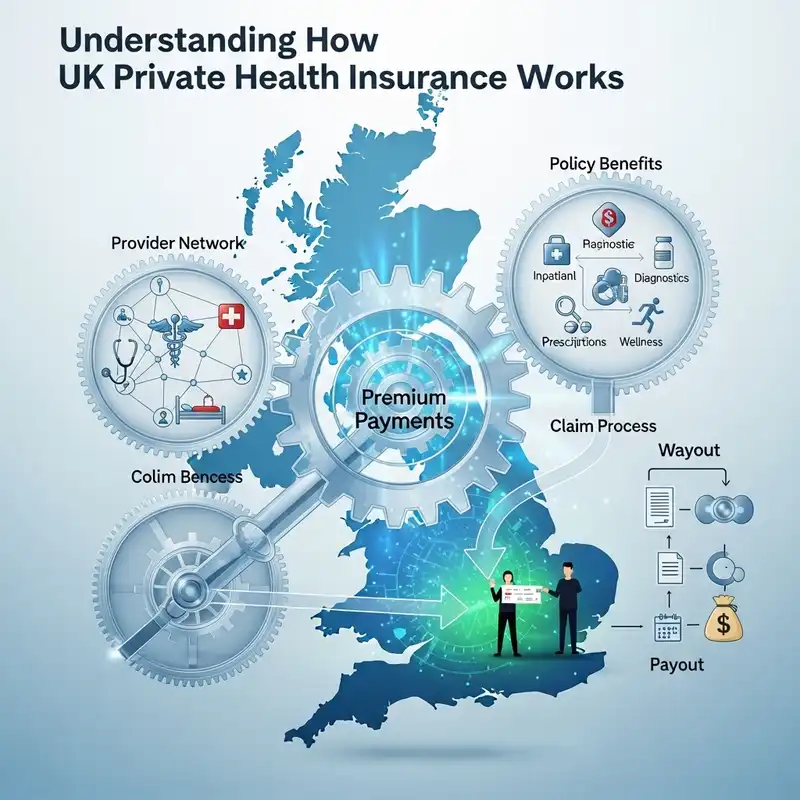
Private medical insurance (PMI) is a type of health insurance that provides access to private healthcare services in the UK. It covers the cost of private medical treatment, allowing you to bypass NHS waiting lists and receive faster, more convenient care.How does it work?
Private medical insurance works by paying for your private healthcare costs. When you need treatment, you can choose to go private and your insurance will cover the costs, subject to your policy terms and conditions. This can include:• Private consultations with specialists
• Private hospital treatment and surgery
• Diagnostic tests and scans
• Physiotherapy and rehabilitation
• Mental health treatment
Your premium depends on factors like your age, health, occupation, and the level of cover you choose. Most policies offer different levels of cover, from basic to comprehensive, allowing you to tailor the policy to your needs and budget.
Questions to ask yourself regarding private medical insurance
Just ask yourself:👉 Are you concerned about NHS waiting times for treatment?
👉 Would you prefer to choose your own consultant and hospital?
👉 Do you want faster access to diagnostic tests and scans?
👉 Would you like private hospital accommodation and better food?
👉 Do you want to avoid the stress of NHS waiting lists?
Many people don't realise that private medical insurance is more affordable than they think, especially when you consider the value of faster treatment and better facilities. A great insurance policy can provide peace of mind and ensure you receive the care you need when you need it.
Benefits offered by private medical insurance
Private medical insurance provides numerous benefits that can significantly improve your healthcare experience and outcomes:Faster Access to Treatment
One of the biggest advantages is avoiding NHS waiting lists. While the NHS provides excellent care, waiting times can be lengthy. With private medical insurance, you can often receive treatment within days or weeks rather than months.
Choice of Consultant and Hospital
You can choose your preferred consultant and hospital, giving you more control over your healthcare journey. This is particularly important for complex treatments where you want a specific specialist.
Better Facilities and Accommodation
Private hospitals typically offer superior facilities, including private rooms, better food, and more comfortable surroundings. This can make your recovery more pleasant and potentially faster.
Advanced Treatments
Private medical insurance often covers treatments and medications not available on the NHS, giving you access to the latest medical advances and technologies.
Mental Health Support
Many policies include comprehensive mental health coverage, providing faster access to therapy and psychiatric care when needed.
Tax Benefits for Business Owners
If you're self-employed or a business owner, private medical insurance premiums can be tax-deductible, making it a cost-effective way to protect your health and your business.
Peace of Mind
Knowing you have access to private healthcare when you need it provides invaluable peace of mind, especially for those with ongoing health conditions or concerns about NHS capacity.
Private medical insurance is particularly valuable for those who want to take control of their healthcare journey and ensure they receive the best possible treatment when they need it most.
Important Fact!
We can look at a more suitable option mid-term!
Why is it important to get private medical insurance early?
👉 Many people are very thankful that they had their private medical insurance cover in place before running into some serious health issues. Private medical insurance is as important as life insurance for protecting your family's finances.👉 We insure our cars, houses, and even our phones! Yet our health is the most precious thing we have.
Easily one of the most important insurance purchases an individual or family can make in their lifetime, the decision to buy private medical insurance can be made much simpler with the help of FCA-authorised advisers. They are the specialists who do the searching and analysis helping people choose between various types of private medical insurance policies available in the market, including different levels of cover and policy types most suitable to the client's individual circumstances.
It certainly won't do any harm if you speak with one of our experienced insurance experts who are passionate about advising people on financial matters related to private medical insurance and are keen to provide you with a free consultation.
You can discuss with them in detail what affordable private medical insurance plan for the necessary peace of mind they would recommend! WeCovr works with some of the best advisers in the market.
By tapping the button below, you can book a free call with them in less than 30 seconds right now:
Our Group Is Proud To Have Issued 900,000+ Policies!
We've established collaboration agreements with leading insurance groups to create tailored coverage




















How It Works
1. Complete a brief form

2. Our experts analyse your information and find you best quotes

3. Enjoy your protection!

Any questions?
Learn more

Who Are WeCovr?
WeCovr is an insurance specialist for people valuing their peace of mind and a great service.👍 WeCovr will help you get your private medical insurance, life insurance, critical illness insurance and others in no time thanks to our wonderful super-friendly experts ready to assist you every step of the way.
Just a quick and simple form and an easy conversation with one of our experts and your valuable insurance policy is in place for that needed peace of mind!