TL;DR
Life insurance. It’s a product we buy hoping never to use, a financial safety net for our loved ones. But in a world of complex jargon, lengthy policy documents, and persistent myths, it’s easy to feel you’re not getting the full picture.
Key takeaways
- Consultations: Every visit to your GP, what it was for, and the outcome.
- Diagnoses: From chronic conditions like diabetes to minor issues like recurring migraines.
- Prescriptions: A full history of medications you've been prescribed.
- Test Results: Blood pressure readings, cholesterol levels, scans, and more.
- Lifestyle Notes: Your GP’s notes on your alcohol consumption, smoking status, and BMI.
Life insurance. It’s a product we buy hoping never to use, a financial safety net for our loved ones. But in a world of complex jargon, lengthy policy documents, and persistent myths, it’s easy to feel you’re not getting the full picture. Many people worry that insurers are actively looking for loopholes to avoid paying claims, leaving their families vulnerable when they need support the most.
The truth is, the UK life insurance industry is highly regulated, and the vast majority of claims are paid. According to the Association of British Insurers (ABI), a staggering 97.3% of all life insurance, critical illness, and income protection claims were paid out in 2023, totalling over £6.8 billion.
So, if claims are being paid, what are the "secrets"? The secrets aren't about a conspiracy to deny claims. They lie in the intricate details of the application process, the specific wording of your policy, and the strategic decisions you make before you ever sign on the dotted line. Understanding these nuances is the key to ensuring your policy is rock-solid and delivers on its promise.
WeCovr uncovers little-known truths about exclusions, underwriting, and switching providers
As expert insurance brokers, we’ve spent years navigating the complexities of the UK protection market. We’ve seen what works, what doesn’t, and where people often go wrong. This guide will pull back the curtain on the life insurance industry. We'll demystify the jargon, expose the common pitfalls, and empower you with the knowledge to secure the right protection for your family, your business, and your future.
The Underwriting Black Box: What Really Happens When You Apply?
Underwriting is the process an insurer uses to assess your risk. It’s how they decide whether to offer you cover, at what price, and with what (if any) special conditions. While you might think it’s just about your age and whether you smoke, the reality is far more detailed.
1. They Will Likely Request Your Medical Records
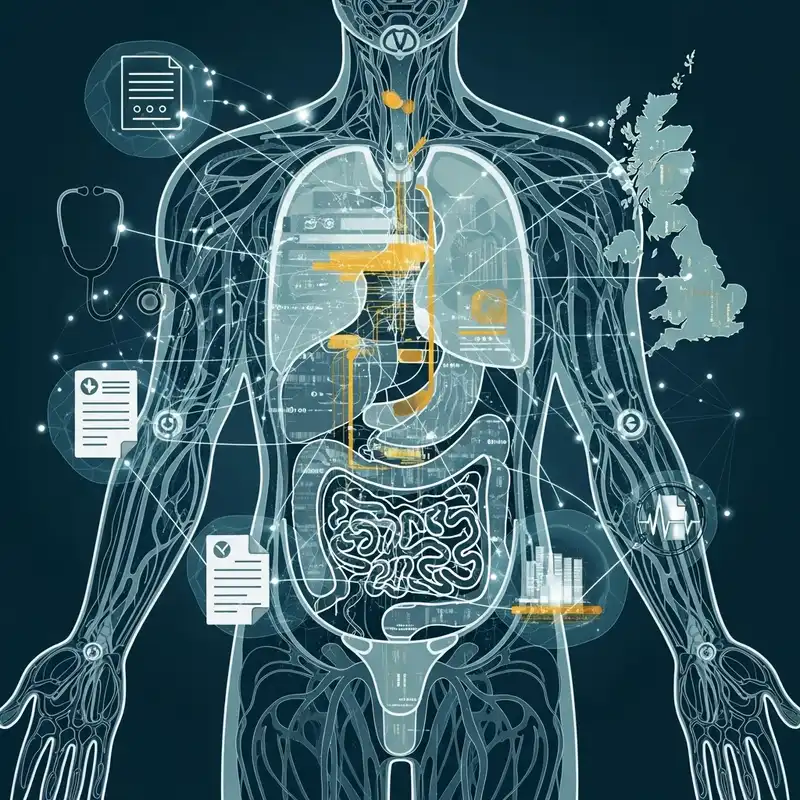
When you apply, you grant the insurer permission to access your full medical history via an Access to Medical Records Act (AMRA) request to your GP. They aren't just looking for major illnesses. They are building a complete picture of your health, including:
- Consultations: Every visit to your GP, what it was for, and the outcome.
- Diagnoses: From chronic conditions like diabetes to minor issues like recurring migraines.
- Prescriptions: A full history of medications you've been prescribed.
- Test Results: Blood pressure readings, cholesterol levels, scans, and more.
- Lifestyle Notes: Your GP’s notes on your alcohol consumption, smoking status, and BMI.
The "secret" here is the depth of the information. A forgotten detail on your application form that appears in your GP notes can be flagged as non-disclosure, potentially jeopardising a future claim. Honesty isn't just the best policy; it's the only policy.
2. Your Lifestyle is Under the Microscope
Insurers are interested in anything that increases your risk of illness or death. This goes far beyond simple questions.
- Smoking & Vaping: All insurers test for nicotine use. If you've used any nicotine products (including patches, gum, or vapes) in the last 12 months, you'll be classed as a smoker, which can almost double your premium. Being dishonest here is a false economy, as a claim could be declined.
- Alcohol Consumption: Be precise with your units. "A couple of glasses a week" is vague. Insurers want to know the exact number of units. Consistently high consumption can lead to increased premiums or even a decline.
- Hobbies & Pastimes: Do you enjoy mountaineering, scuba diving, or private aviation? These are considered hazardous activities and must be declared. The insurer might add an exclusion for death related to that activity or increase your premium.
- Travel Plans: Intending to travel to countries the Foreign, Commonwealth & Development Office (FCDO) advises against visiting? This needs to be disclosed.
3. Financial Underwriting is Real
You can't insure your life for a sum that bears no relation to your financial circumstances. Insurers conduct financial underwriting to ensure the level of cover (the "sum assured") is justifiable. They need to prevent moral hazard – the risk that someone might be "worth more dead than alive."
Typically, the maximum cover is a multiple of your annual income. For example:
- Under 40: Up to 30x your annual income
- Age 40-50: Up to 20x your annual income
- Over 50: Up to 15x your annual income
If you apply for £2 million of cover while earning £30,000 a year, the insurer will ask for detailed justification, such as covering a very large mortgage or business loan. (illustrative estimate)
How Different Factors Impact Your Premiums
The final price you pay is a bespoke calculation based on your unique risk profile. Here’s an illustration of how various factors can influence cost for a non-smoker seeking £200,000 of level term cover over 25 years. (illustrative estimate)
| Factor | Low-Risk Example (30-year-old) | Higher-Risk Example (30-year-old) | Impact on Premium |
|---|---|---|---|
| Health | Excellent health, no conditions | Well-managed Type 2 Diabetes | Moderate Increase |
| BMI | Healthy range (23) | Obese (36) | Significant Increase |
| Family History | No early-onset heart disease/cancer | Parent died of heart attack at 55 | Moderate Increase |
| Occupation | Office-based role | Scaffolder (working at height) | Moderate Increase / Exclusion |
| Smoking Status | Never smoked | Smoked 10 cigarettes/day | Premium nearly doubles |
This is why providing accurate, detailed information is so important. An expert broker at WeCovr can help you frame your application correctly, ensuring all necessary details are provided to the right insurer for your circumstances.
Exclusions Explained: The Devil is Always in the Detail
An exclusion is a specific circumstance or event that is not covered by your policy. While the fear is that policies are riddled with "get-out clauses," most exclusions are standard, fair, and designed to protect the insurer from un-calculable or fraudulent risks. The key is to know what they are before you need to claim.
Common Life Insurance Exclusions:
- The Suicide Clause: Nearly all UK life insurance policies include a clause (typically 12 months) stating that the policy will not pay out if the insured person dies by suicide within the first year of the policy. This is a sensitive but standard measure to prevent people from taking out cover with the intention of ending their life.
- Fraudulent Non-Disclosure: This is the single biggest reason for a claim being rejected. It's not about forgetting a minor detail. Fraudulent non-disclosure is a deliberate lie or omission of a significant fact (e.g., hiding a cancer diagnosis or a history of heart disease) to get cover or secure a lower premium.
- Hazardous Activities: If you declare a risky hobby like hang-gliding, the insurer may apply a specific exclusion for death resulting from that activity. If you don't declare it and then die while participating, the claim will almost certainly be declined.
- Grossly Irresponsible Acts: While rare, insurers may refuse to pay if the death occurred during a criminal act or was a direct result of severe alcohol or drug abuse that wasn't previously disclosed.
- War and Terrorism: Most policies exclude death resulting from active participation in war or terrorist acts. However, many will still cover passive victims.
It's crucial to read your policy's Key Features document, which clearly lists these exclusions.
Critical Illness Cover: Not All Illnesses Are Created "Equal"
Critical Illness Cover (CIC) is often sold alongside life insurance. It pays out a tax-free lump sum if you are diagnosed with one of a list of specific serious illnesses. This is where the "secrets" become even more critical. The single most important thing to know is that a diagnosis alone is often not enough to trigger a payout.
The claim's success hinges on the insurer's definition of the illness, which must be met exactly.
1. The All-Important Definitions
While the Association of British Insurers (ABI) provides model definitions for common conditions, insurers are free to use their own. Some stick to the basics (ABI standard), while others offer enhanced definitions (ABI+).
- Heart Attack: A standard definition might require evidence of specific changes on an ECG and a rise in cardiac enzymes to a certain level. A less severe heart attack might not meet this definition.
- Cancer: The definition will specify the type of tumour. Many policies exclude or offer a much smaller partial payment for early-stage, non-invasive cancers (like carcinoma in situ). This is a major point of confusion for consumers.
- Stroke: The definition will require symptoms to have lasted for more than 24 hours and result in permanent neurological deficit. A Transient Ischaemic Attack (TIA or 'mini-stroke'), from which you fully recover, would not typically qualify for a full payout.
2. Severity Clauses & Partial Payments
To address the issue of less severe conditions, many modern policies now include partial payments. For example, if you are diagnosed with an early-stage prostate cancer that doesn't meet the full payout definition, the policy might pay out 25% of your sum assured (up to a limit, e.g., £25,000). While this is a positive development, it highlights the importance of understanding exactly what is covered.
3. The Survival Period
Most CIC policies include a 'survival period'. This means you must survive for a set number of days (typically 10 to 14) after the date of diagnosis or surgery for the claim to be valid. If you were to suffer a massive stroke and pass away a week later, your CIC policy would not pay out (though your life insurance policy would).
CIC Definition Comparison (Illustrative)
| Condition | Standard Policy Example | Comprehensive Policy Example | The Key Difference |
|---|---|---|---|
| Carcinoma in Situ | Excluded | Partial payment of £25,000 | Comprehensive cover includes early-stage cancers. |
| Multiple Sclerosis | Symptoms must be continuous for 6 months | Diagnosis confirmed by a neurologist | Payout is triggered earlier on diagnosis. |
| Heart Attack | Must meet specific enzyme and ECG criteria | Broader definition, includes specific surgeries | Covers a wider range of cardiac events. |
| Children's Cover | Covers a list of 15 conditions | Covers over 50 conditions, including birth defects | Far broader protection for your children. |
The "secret" is that a cheaper policy is often cheaper for a reason. It may have less comprehensive definitions, cover fewer conditions, and lack features like partial payments. A broker can compare the intricate details of the policy wording, not just the headline price.
The Great Myth of "Post-Claim Underwriting"
A common fear is that insurers happily take your money for years and then, at the point of claim, hire investigators to scour your life for a reason not to pay. This practice, known as "post-claim underwriting," is heavily frowned upon by the Financial Conduct Authority (FCA).
Insurers are expected to ask all the necessary questions at the application stage. The onus is on the applicant to answer them truthfully and to the best of their knowledge, under a principle called "taking reasonable care not to make a misrepresentation."
If a claim is investigated, it's almost always because the information provided at the claim stage conflicts with the information on the application form.
- Example: A death certificate lists "complications from chronic obstructive pulmonary disease (COPD)" as a cause of death. The application form, completed five years earlier, stated the person was a "non-smoker." The insurer will investigate medical records. If those records show the person was a lifelong smoker, the insurer can argue that the policy was obtained through misrepresentation. They might then decline the claim or calculate what the premium should have been and reduce the payout accordingly.
The real secret isn't that insurers want to decline claims; it's that they must base their decisions on the information they were given. A clean, honest application is your best guarantee of a smooth payout.
Switching Providers: It’s Not Like Changing Your Car Insurance
We're all conditioned to shop around for the best deal on our utilities, car insurance, and home insurance each year. It’s tempting to apply the same logic to life insurance. This is a dangerous mistake.
Life insurance pricing is based on two key factors that change over time: your age and your health.
- Your Age: The older you are, the higher the statistical risk, and therefore the higher the premium. If you took out a policy at age 30, trying to get the same cover at age 40 will be more expensive, even if your health is identical.
- Your Health: If you’ve developed any new medical conditions since you took out your original policy (e.g., high blood pressure, raised cholesterol, a mental health diagnosis), a new insurer will factor this into their underwriting. This could lead to much higher premiums, exclusions, or even a decline.
The Golden Rule of Switching:
NEVER cancel an existing life insurance policy until the new one is fully approved, underwritten, and active (often referred to as "on risk").
If you cancel your old policy first and your new application is then declined, you could be left with no cover at all.
An expert review is essential. At WeCovr, we can assess your current policy and compare it against the market. Sometimes, sticking with your existing plan is the best option. Other times, a new policy might offer better terms or more comprehensive cover (especially with critical illness) that makes a switch worthwhile, even with a small price increase.
A Guide for Directors, Business Owners & the Self-Employed
Standard life insurance is designed to protect your family. But if you run a business or work for yourself, you have unique risks that require specialist protection.
Key Person Insurance (now often called Relevant Person Cover)
Imagine your business’s most vital employee—perhaps a top salesperson, a gifted coder, or even yourself—were to die or become critically ill. How would the business cope? Key Person Insurance is a policy taken out and paid for by the business on the life of a key employee. The payout goes directly to the business to cover costs like:
- Recruiting and training a replacement.
- Lost profits during the disruption.
- Reassuring lenders and investors.
- Paying off a business loan.
The premium is typically an allowable business expense for tax purposes.
Executive Income Protection
For company directors, this is often a more tax-efficient alternative to personal income protection. The policy is owned and paid for by your limited company.
- How it works: If you're unable to work due to illness or injury, the policy pays a monthly benefit to your company. The company can then continue to pay you a salary via PAYE.
- The Tax Advantage: The premiums paid by the business are usually treated as an allowable business expense, reducing your corporation tax bill. This is a significant advantage over a personal plan, where you pay premiums from your post-tax income.
Shareholder Protection Insurance
If you co-own a business with other shareholders, what happens if one of you dies? The deceased's shares would typically pass to their family as part of their estate. The surviving shareholders might face the prospect of having a new, inexperienced, and unwilling partner.
Shareholder Protection provides a lump sum to the surviving shareholders, enabling them to buy the deceased's shares from their estate at a pre-agreed price. This ensures a smooth transition, maintains control for the remaining owners, and provides fair value to the deceased's family.
Gift Inter Vivos Insurance
For those planning their estate, this is a niche but powerful tool. If you gift a significant asset (like a property or a share of your business) to someone, it may be subject to Inheritance Tax (IHT) if you die within seven years. This is known as a Potentially Exempt Transfer (PET). A Gift Inter Vivos policy is a life insurance plan designed to pay out a lump sum to cover this potential IHT liability, protecting the recipient of your gift from an unexpected tax bill.
Beyond the Payout: Unlocking the Hidden Value in Your Policy
In today's competitive market, insurers are bundling an incredible array of value-added benefits with their policies, available to you from the moment your cover starts. Many policyholders don't even know these exist. They are designed to support your health and wellbeing and can be worth hundreds of pounds a year.
Common benefits include:
- 24/7 Digital GP: Access to a GP via phone or video call, often with prescription delivery services.
- Mental Health Support: Access to a set number of counselling or therapy sessions per year.
- Second Medical Opinion Service: If you're diagnosed with a serious illness, you can get your case reviewed by a world-leading expert for a second opinion on your diagnosis and treatment plan.
- Physiotherapy & Rehabilitation Support: Help with recovery from injuries.
- Fitness Rewards Programmes: Discounts on gym memberships, fitness trackers, and healthy food.
At WeCovr, we believe in supporting our clients' holistic wellbeing. That's why, in addition to finding you the best policy, we provide our customers with complimentary access to CalorieHero, our exclusive AI-powered calorie and nutrition tracking app. It's our way of helping you stay healthy, reinforcing our commitment to your long-term wellness, not just your financial protection.
The Ultimate Secret Weapon: An Expert Broker
Navigating this complex landscape alone is daunting. You can go direct to an insurer, but they can only sell you their own products. You can use a comparison site, but they often compete on price alone, ignoring the crucial differences in policy definitions and features.
An independent insurance broker is your advocate.
- Whole-of-Market Access: We can compare policies and prices from all the major UK insurers.
- Underwriting Expertise: We know which insurers are more lenient with certain health conditions (e.g., high BMI, diabetes, mental health) or occupations. We can place your application with the insurer most likely to give you the best terms.
- Application Support: We will help you complete the application form accurately and thoroughly, minimising the risk of non-disclosure issues down the line.
- Putting Policies in Trust: We can help you place your policy in trust, a simple legal arrangement that ensures the payout goes directly to your chosen beneficiaries, avoiding probate delays and potentially Inheritance Tax. It's one of the most important yet overlooked aspects of life insurance planning.
- Claims Assistance: If the worst happens, we are there to support your family, helping them navigate the claims process with compassion and expertise.
Life insurance isn't a commodity like a toaster. It's a complex, personal contract. The "secrets" are simply the details that matter—the details a good broker understands inside and out. Armed with the right knowledge and expert guidance, you can be confident that the promise of protection you buy today will be delivered to your loved ones tomorrow.
Do I need to declare mental health conditions like anxiety or depression?
What happens if I start smoking after my policy has started?
Can I get life insurance if I have a pre-existing medical condition?
Is the payout from a life insurance policy tax-free?
Why should I put my life insurance policy in trust?
How much life cover do I actually need?
Sources
- Department for Transport (DfT): Road safety and transport statistics.
- DVLA / DVSA: UK vehicle and driving regulatory guidance.
- Association of British Insurers (ABI): Motor insurance market and claims publications.
- Financial Conduct Authority (FCA): Insurance conduct and consumer information guidance.