TL;DR
We live in an age that champions personal growth. We're encouraged to cultivate a growth mindset, chase our passions, and build lives filled with meaning and purpose. Yet, true, sustainable growth requires more than just positive thinking and ambition.
Key takeaways
- Specific types of cancer
- Heart attack
- Stroke
- Multiple Sclerosis
- Kidney failure
the Growth Shield Future Proofing You
We live in an age that champions personal growth. We're encouraged to cultivate a growth mindset, chase our passions, and build lives filled with meaning and purpose. Yet, true, sustainable growth requires more than just positive thinking and ambition. It requires a solid foundation. It requires resilience.
In the UK today, that foundation is being tested like never before. The ground beneath our feet feels less certain. Health challenges are on the rise, with sobering statistics from organisations like Cancer Research UK suggesting a future where a cancer diagnosis becomes a near-ubiquitous family experience. Economic headwinds, the shifting nature of work, and the pressures on our NHS create a perfect storm of uncertainty.
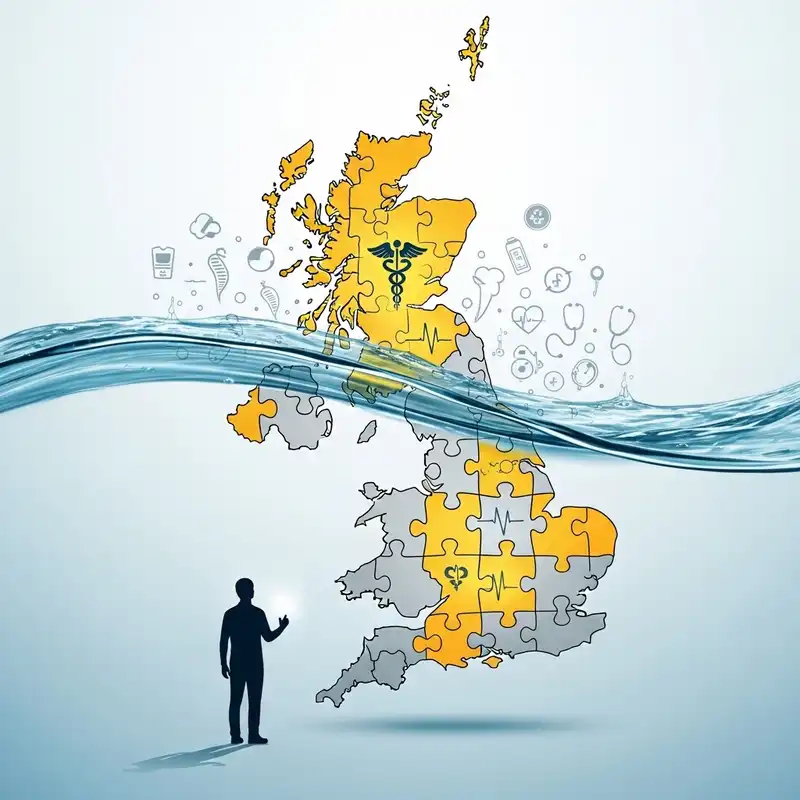
This is where the concept of the Growth Shield comes in. It's the recognition that to truly flourish, you must first protect your roots. A Growth Shield is a bespoke, strategic financial safety net designed to protect you, your income, and your loved ones from life's most challenging "what ifs." It's not about dwelling on the negative; it's about making a powerful, proactive choice to remove the financial fear of the unknown.
By putting this shield in place, you are not just buying an insurance policy. You are buying freedom. The freedom to take career risks, the peace of mind to be fully present with your family, and the unshakeable confidence to build the life you truly desire, knowing you are protected against the shocks that could otherwise derail your dreams.
The New Landscape of Risk: Why a Growth Shield is No Longer a Luxury
The need for a robust financial safety net has never been more acute. The challenges we face are multi-faceted, impacting our health, our careers, and our financial stability.
The Sobering Health Outlook
The most profound risk we all face is to our health. While medical advancements are remarkable, the prevalence of serious illness is increasing.
- The Cancer Challenge: Cancer Research UK's long-term projections indicate that 1 in 2 people born after 1960 in the UK will be diagnosed with some form of cancer during their lifetime. This isn't a distant, abstract number; it's a reality that will touch almost every family.
- Cardiovascular Disease: The British Heart Foundation reports that around 7.6 million people are living with heart and circulatory diseases in the UK. Strokes, heart attacks, and related conditions remain a leading cause of disability and death.
- Mental Health Crisis: Data from the NHS shows that mental health issues are a primary reason for sickness absence. In 2023, an estimated 1 in 5 adults experienced some form of depression or anxiety, a figure exacerbated by economic and social pressures.
An unexpected diagnosis doesn't just impact your health; it delivers a severe financial blow. It can mean months or even years away from work, loss of income, and additional costs for treatment, travel, and home modifications.
The Shifting World of Work
The traditional "job for life" with a generous final salary pension and sick pay package is a relic of the past for many.
- The Rise of Self-Employment: The Office for National statistics (ONS) notes that there are over 4.3 million self-employed workers in the UK. These freelancers, contractors, and business owners have incredible freedom but lack the safety net of employer-provided sick pay, holiday pay, or death-in-service benefits. If they don't work, they don't get paid.
- The Gig Economy: For many, work is a series of short-term contracts or "gigs." This flexibility comes at the cost of stability and protection.
- Inadequate Statutory Support: If you fall ill and have to rely on the state, Statutory Sick Pay (SSP) provides just £116.75 per week (2024/25 rate) for a maximum of 28 weeks. For most households, this is a catastrophic drop in income, barely enough to cover a fraction of essential bills.
The Pressure on Public Services
We are all immensely proud of our NHS, but it is under unprecedented strain. According to NHS England, the waiting list for consultant-led elective care stood at over 7.5 million in early 2024. While emergency care remains world-class, waiting for diagnostics, specialist consultations, or routine surgery can take months, sometimes years. This not only prolongs physical discomfort but also extends the time you may be unable to work, compounding the financial strain.
This new landscape demands a new mindset. Relying on luck, the state, or a basic employer package is no longer a viable strategy. A proactive, personal approach is essential.
Deconstructing the Growth Shield: Your Key Protection Tools
Building your Growth Shield involves selecting the right combination of tools to cover your specific risks. These aren't just policies; they are pillars supporting your financial wellbeing. Think of it like building a house: you need a foundation (Income Protection), walls (Critical Illness Cover), and a roof (Life Insurance) to be truly secure.
Pillar 1: Income Protection (IP) – The Foundation
If you had a machine in your house that printed money every month, you would insure it without a second thought. Your ability to earn an income is that machine. Income Protection is arguably the most crucial form of cover for anyone of working age.
What is it? Income Protection pays out a regular, tax-free monthly income if you are unable to work due to any illness or injury, after a pre-agreed waiting period.
Who needs it? Every single person whose lifestyle depends on their monthly salary. It is especially vital for:
- The self-employed and freelancers with no employer sick pay.
- Company directors whose income is tied to their ability to run the business.
- Those with limited employer sick pay (e.g., only a few weeks at full pay).
- Anyone with significant financial commitments like a mortgage, rent, or school fees.
Key Features to Understand:
| Feature | Description | What to Consider |
|---|---|---|
| Benefit Amount | The monthly sum you receive, typically 50-70% of your gross income. | Calculate your essential monthly outgoings to determine the cover you need. |
| Deferred Period | The waiting period before the policy starts paying out (e.g., 4, 13, 26, or 52 weeks). | Match this to your employer's sick pay scheme or your emergency savings. A longer deferred period means a lower premium. |
| Payout Period | How long the policy will pay out for. Can be short-term (1-5 years) or until retirement age. | Long-term cover provides the most comprehensive protection. |
| Definition of Incapacity | Crucial! 'Own Occupation' is the gold standard – it pays out if you can't do your specific job. 'Any Occupation' is stricter. | Always aim for an 'Own Occupation' definition, especially if you have a specialised career. |
Example: Sarah, a 35-year-old self-employed architect, develops a severe back condition that prevents her from sitting at a desk or visiting sites. Her Income Protection policy, with a 13-week deferred period, kicks in. It pays her £2,500 per month, allowing her to cover her mortgage and bills while she focuses on her recovery, without the stress of losing her home.
Pillar 2: Critical Illness Cover (CIC) – The Walls of Your Fortress
While Income Protection replaces lost salary, Critical Illness Cover is designed to deal with the immediate and significant financial impact of a life-altering diagnosis.
What is it? CIC pays out a tax-free lump sum if you are diagnosed with one of a list of specified serious illnesses.
What does it cover? Policies vary, but the core conditions almost always include:
- Specific types of cancer
- Heart attack
- Stroke
- Multiple Sclerosis
- Kidney failure
- Major organ transplant
Most comprehensive policies today cover 50 or more conditions, and many also include partial payments for less severe illnesses.
How can the lump sum be used? The choice is yours. People often use it to:
- Pay off a mortgage or other debts, drastically reducing monthly outgoings.
- Fund private medical treatment or specialist care not available on the NHS.
- Adapt their home (e.g., install a stairlift).
- Allow a partner to take time off work to provide care.
- Simply provide a financial buffer to reduce stress during a difficult time.
Example: David, a 48-year-old primary school teacher, has a heart attack. His Critical Illness Cover pays out £100,000. He and his wife use the money to clear their remaining mortgage balance. This removes their single biggest monthly expense, allowing David to return to work on a part-time basis without financial pressure, aiding his long-term recovery.
Pillar 3: Life Insurance – The Roof Over Your Family's Head
Life Insurance is the ultimate act of love and responsibility for those you leave behind. It ensures that your death does not create a financial crisis for your family.
What is it? It pays out a sum of money to your chosen beneficiaries if you die during the term of the policy.
Key Types of Life Insurance:
| Policy Type | How it Works | Best For |
|---|---|---|
| Level Term Assurance | The payout amount remains the same throughout the policy term. | Covering an interest-only mortgage or providing a lump sum for your family's general living costs. |
| Decreasing Term Assurance | The payout amount reduces over time, broadly in line with a repayment mortgage. | Specifically protecting a repayment mortgage. It's the most affordable type of life cover. |
| Family Income Benefit | Instead of a lump sum, it pays out a regular, tax-free income until the end of the policy term. | Replicating a lost salary for your family, making budgeting easier for the surviving partner. |
A special case: Gift Inter Vivos Insurance For those planning their estate, this is a clever tool. If you gift a large sum of money or an asset (like a property) to your children, it may be subject to Inheritance Tax if you die within seven years. A Gift Inter Vivos policy is a special type of life insurance designed to pay out a lump sum to cover that potential tax bill, ensuring your beneficiaries receive the full value of your gift.
Specialist Shields: Cover for Specific Needs
Beyond the main three pillars, there are specialist products designed for particular circumstances.
Personal Sick Pay: This is essentially a short-term Income Protection plan, often with deferred periods as short as one day or one week. It is perfect for:
- Tradespeople (Electricians, Plumbers, Builders): In high-risk jobs where an injury can mean immediate loss of income, this provides a rapid safety net.
- Nurses & Healthcare Workers: While the NHS has a sick pay scheme, it can be complex. This provides a guaranteed income, especially for those working through agencies or on zero-hours contracts.
Private Medical Insurance (PMI): This is your passport to faster healthcare. With NHS waiting lists at historic highs, PMI gives you:
- The ability to bypass long queues for consultations and treatment.
- A choice of specialist and hospital.
- Access to drugs and treatments that may not yet be available on the NHS.
- The comfort of a private room during hospital stays.
PMI works hand-in-hand with your other protection. By getting you treated faster, it can help you get back to work sooner, reducing the length of time you might need to claim on your Income Protection policy.
The Growth Shield for Business Owners, Directors & The Self-Employed
If you run your own business, your personal and professional finances are intrinsically linked. Protecting your business is protecting your family. Fortunately, there are highly tax-efficient ways to build a Growth Shield through your limited company.
Key Person Insurance
Who is the most important asset in your business? Is it a star salesperson, a technical genius, or you? Key Person Insurance protects the business itself from the financial fallout if a crucial individual dies or is diagnosed with a critical illness. The payout goes to the business to cover:
- Lost profits during a period of disruption.
- The cost of recruiting and training a replacement.
- Reassuring lenders and investors that the business can continue.
Executive Income Protection
This is a standard Income Protection policy, but it's paid for by the business on behalf of an employee or director. The key benefits are:
- For the Business: The premiums are usually an allowable business expense, reducing your corporation tax bill.
- For the Employee: It is not typically treated as a P11D benefit in kind, so there is no extra income tax to pay. The benefit, if paid, is channelled through the business and paid out via PAYE, ensuring continuity. It's a fantastic employee benefit that helps attract and retain top talent.
Relevant Life Cover
This is a tax-efficient alternative to a personal life insurance policy for directors and employees.
- The business pays the premiums, which are typically an allowable business expense.
- It does not form part of the employee's annual or lifetime pension allowance.
- It is not usually considered a benefit in kind.
- The policy is written into a discretionary trust, so the payout goes directly to the employee's family, bypassing the business and usually falling outside the estate for Inheritance Tax purposes.
Shareholder or Partnership Protection
What happens if you have a business partner and they die or become critically ill? Their shares would likely pass to their family, who may have no interest or ability to run the business. This can lead to conflict and paralysis. Shareholder Protection provides a lump sum to the surviving owners, enabling them to buy the deceased or ill partner's shares at a pre-agreed price, ensuring a smooth transition and business continuity.
Business Protection at a Glance:
| Product | Who it Protects | Who it Pays | Tax Treatment of Premiums |
|---|---|---|---|
| Key Person Insurance | The business | The business | Not usually allowable as a business expense. |
| Executive IP | The employee/director | The business (to pay the employee) | Usually an allowable business expense. |
| Relevant Life Cover | The employee's family | A trust for the family | Usually an allowable business expense. |
| Shareholder Protection | The remaining owners | The remaining owners | Not usually an allowable business expense. |
Wellness & Proactive Health: The Other Side of the Shield
A true Growth Shield isn't just about financial planning; it's about a holistic commitment to your wellbeing. Insurers increasingly recognise this, building incredible value-added services into their policies that help you stay healthy.
This proactive approach to health is something we at WeCovr are passionate about. We believe that supporting our clients goes beyond just finding the right policy. It’s about being a partner in their long-term wellbeing. That's why, in addition to our expert advice, we provide our clients with complimentary access to CalorieHero, our own AI-powered calorie and nutrition tracking app. It’s a simple, effective tool to help you make healthier choices every day, empowering you to take control of your diet and, by extension, your health.
Many modern protection policies now include benefits such as:
- 24/7 Virtual GP: Get a GP appointment via phone or video call, often within hours.
- Mental Health Support: Access to counselling sessions and mental health resources.
- Second Medical Opinions: If you receive a serious diagnosis, you can have your case reviewed by a world-leading expert.
- Fitness & Nutrition Programmes: Discounts on gym memberships, fitness trackers, and health screenings.
By engaging with these benefits, you are actively strengthening your shield, potentially reducing your risk of ever needing to make a claim.
How to Build Your Growth Shield: A Practical Guide
Building your shield is a clear, manageable process.
-
Step 1: Assess Your Reality.
- Income: What is your monthly take-home pay? Is it stable or variable?
- Outgoings: List all your essential costs: mortgage/rent, utilities, food, transport, childcare, debt repayments.
- Dependents: Who relies on you financially? Your partner, children, or perhaps ageing parents?
- Existing Cover: What protection do you already have? Check your employer's scheme – what is the sick pay policy? Do you have any death-in-service benefits?
-
Step 2: Understand Your Risks. Based on your assessment, what is your biggest vulnerability?
- If you're self-employed, the immediate loss of income is your primary risk. Income Protection is your priority.
- If you have a young family and a large mortgage, the impact of your death or a critical illness would be devastating. Life and Critical Illness Cover is essential.
- If you're a company director, protecting your business continuity is as important as protecting your personal income. Key Person and Executive Income Protection should be on your radar.
-
Step 3: Define Your Budget. Protection insurance is often far more affordable than people think. A 35-year-old non-smoker could get substantial Income Protection cover for the price of a couple of weekly coffees. Be realistic about what you can afford, but also consider the immense cost of being uninsured.
-
Step 4: Seek Expert, Independent Advice. The protection market is complex. Definitions, terms, and prices vary hugely between insurers. Trying to navigate this alone is fraught with risk. You might buy the wrong product, get insufficient cover, or pay more than you need to.
This is where a specialist broker like WeCovr is invaluable. Our role is to be your expert guide. We take the time to understand your unique situation, your goals, and your budget. We then use our expertise and market knowledge to search policies from all the UK's leading insurers to find the perfect combination of products to form your Growth Shield. We handle the paperwork, explain the jargon, and ensure you get the most comprehensive cover for your budget.
Conclusion: From Resilience to True Freedom
The world may be uncertain, but your future doesn't have to be. Building a Growth Shield is one of the most powerful and positive financial decisions you can make. It is the ultimate expression of self-care and responsibility to your loved ones.
It’s about transforming anxiety about the future into a quiet confidence. It’s about knowing that if illness or injury strikes, your focus can be on recovery, not on bills. It's about ensuring that if the worst happens, your family's future is secure.
This is true personal growth. It’s the strategic act of building a foundation so strong that you are free to reach for the sky, pursue your passions, and live a life not of chance, but of choice. A life of unshakeable peace and freedom.
What's the main difference between Income Protection and Critical Illness Cover?
How much cover do I actually need?
Can I get cover if I have a pre-existing medical condition?
Is insurance paid for by my limited company a taxable benefit?
Why should I use a broker like WeCovr instead of going to an insurer directly?
How does Family Income Benefit differ from standard level term life insurance?
Sources
- Office for National Statistics (ONS): Mortality and population data.
- Association of British Insurers (ABI): Life and protection market publications.
- MoneyHelper (MaPS): Consumer guidance on life insurance.
- NHS: Health information and screening guidance.