Private Health Insurance for Film Crew in the UK

As an FCA-authorised broker with over 900,000 policies arranged, WeCovr understands the unique demands of non-traditional careers. This guide explores private medical insurance in the UK, specifically for film and TV crew, helping you protect your health and livelihood in a high-pressure industry.
PMI designed for on-set crew and production staff
Lights, camera... and action on your health. The UK film and television industry is a dynamic, demanding world. Whether you're a grip hauling equipment, a producer juggling deadlines, or a runner keeping the entire set moving, your health is your most valuable asset. The long hours, physical strain, and project-based nature of the work mean that any unexpected illness or injury can jeopardise not just your well-being, but your income.
This is where private medical insurance (PMI) becomes an indispensable part of your professional toolkit. It’s not a luxury; for many in the film industry, it's a practical necessity. Standard health insurance policies aren't always built for the freelance, contract-based lifestyle. You need cover that understands your world—a policy that offers rapid access to treatment, flexibility around shooting schedules, and robust support for both physical and mental health.
This comprehensive guide is designed for everyone from the camera department to the production office. We’ll break down how PMI works, what to look for in a policy, and how to tailor a plan that protects you, on and off set.
Understanding the Unique Health Risks of Film Production
Working in film and TV production is unlike a typical 9-to-5 job. The health challenges are specific and often intense, making a proactive approach to your well-being essential.
- Intense Physical Demands: Many on-set roles are incredibly physical. Grips, gaffers, camera operators, and set builders spend hours lifting, carrying, and operating heavy equipment. This leads to a high risk of musculoskeletal (MSK) issues, such as back pain, repetitive strain injury (RSI), and joint problems. An NHS waiting list for physiotherapy or a diagnostic scan could mean months without work.
- Long and Unpredictable Hours: The "it's a wrap!" call can come after a 14-hour day, and early call times are the norm. According to UK data, working consistently long hours is linked to a higher risk of health problems. This sustained pressure and sleep deprivation can weaken the immune system, increase stress levels, and impact cognitive function, raising the risk of accidents on set.
- High-Pressure Environment & Mental Strain: The creative industries are rewarding but notoriously high-stress. Tight deadlines, budget pressures, and the constant need to deliver perfection contribute to significant mental strain. The freelance nature of the work adds another layer of anxiety about finding the next project. Access to prompt mental health support is therefore not a 'nice-to-have' but a critical need.
- On-Location and Travel-Related Issues: Filming on location, whether in a remote corner of Scotland or a bustling city centre, exposes crew to varied environmental conditions. This can mean anything from weather-related ailments to the general wear and tear of constant travel. Having access to a Digital GP service you can call from a hotel room is invaluable.
A 2022 report highlighted that workers in the film and TV industry often report higher levels of stress and burnout compared to the general workforce. Private health cover is a direct response to these challenges, providing a safety net that allows you to seek help quickly and get back on your feet—and back on set—sooner.
What is Private Medical Insurance (PMI) and How Does It Work?
Think of Private Medical Insurance as a healthcare partner that works alongside the NHS. It’s a policy you pay for—either monthly or annually—that gives you access to private medical treatment for specific conditions. It doesn't replace the NHS, which remains the go-to for accidents, emergencies, and general GP services.
Instead, PMI provides a fast-track route for eligible, non-emergency conditions, helping you bypass potentially long NHS waiting lists. As of early 2025, NHS England data shows that millions of people are on waiting lists for consultant-led elective care. For a freelancer, a six-month wait for a knee operation isn't just an inconvenience; it's six months of lost income.
The Golden Rule: Acute vs. Chronic Conditions
This is the most important concept to understand about UK private health insurance:
- PMI is for Acute Conditions: An acute condition is a disease, illness, or injury that is likely to respond quickly to treatment and lead to a full recovery. Examples include joint injuries requiring surgery, cataracts, hernias, and most infections.
- PMI does NOT cover Chronic Conditions: A chronic condition is one that continues indefinitely and has no known cure. It can be managed but not resolved. Examples include diabetes, asthma, high blood pressure, and arthritis. Management for these conditions will remain with your NHS GP.
The Crucial Point: Pre-existing Conditions
Standard UK PMI policies do not cover pre-existing conditions. A pre-existing condition is any disease, illness, or injury for which you have experienced symptoms, received medication, or sought advice before your policy start date. We will explore how insurers handle this in the "Tailoring a Policy" section below.
How Does the Process Work?
- You See Your GP: Your journey almost always starts with your NHS GP. If you have a health concern (e.g., persistent shoulder pain), you visit your GP first.
- Get an Open Referral: If your GP believes you need to see a specialist, they will write you a referral letter. For PMI, you typically ask for an 'open referral', which doesn't name a specific specialist.
- Contact Your Insurer: You call your PMI provider with your referral letter and symptoms.
- Claim Authorised: The insurer checks that your condition is covered by your policy and authorises the claim.
- Book Your Appointment: The insurer may provide a list of approved specialists and hospitals from your chosen hospital list. You can then book your consultation and treatment at a time and place that suits you.
| What PMI Typically Covers | What PMI Typically Excludes |
|---|---|
| Specialist consultations | Pre-existing conditions |
| Diagnostic tests (MRI, CT, PET scans) | Chronic conditions (e.g., diabetes, asthma) |
| In-patient and day-patient surgery | Accidents & Emergencies (handled by A&E) |
| Comprehensive cancer treatment | Normal pregnancy and childbirth |
| Mental health support (therapy, psychiatry) | Cosmetic surgery, unless medically necessary |
| Physiotherapy and other therapies | Drug and alcohol abuse treatment |
| Private hospital room | Experimental or unproven treatments |
Core Benefits of PMI for Film & TV Crew
For those in the fast-paced world of production, the benefits of PMI are tangible and directly support your ability to work.
Rapid Access to Diagnosis and Treatment
This is the number one reason people buy private health insurance. When your livelihood depends on being physically and mentally fit, you cannot afford to wait.
- Real-Life Example: A freelance camera operator develops severe shoulder pain. On the NHS, they might face a wait of several weeks for an MRI scan, followed by several months for potential surgery. With PMI, they could get a private MRI within days and be scheduled for surgery the following week. This difference can be the key to accepting the next big project or having to turn it down.
Choice of Specialist and Hospital
PMI gives you control over your healthcare journey. You can:
- Choose your specialist: You can research and select a leading consultant in their field.
- Choose your hospital: You can opt for a hospital near your home, your work, or even one with specific expertise.
- Choose your timing: You can schedule appointments and procedures to fit around your production schedule, minimising disruption to your work.
Access to Advanced Mental Health Support
The film industry is increasingly aware of the mental toll it can take. PMI policies now offer some of the most comprehensive mental health support available. This often goes far beyond what is quickly accessible on the NHS.
- Cover can include:
- Access to a network of counsellors, therapists, and psychologists.
- In-patient and day-patient psychiatric treatment.
- Faster access to cognitive behavioural therapy (CBT) and other talking therapies.
- Digital mental health support through apps and online platforms.
For a producer dealing with immense stress or a crew member struggling with the anxiety of freelance life, having this support on-demand is a lifeline.
Comprehensive Cancer Cover
A cancer diagnosis is devastating, and navigating treatment options adds another layer of stress. Most high-quality PMI policies provide extensive cancer cover, which can include:
- Access to the latest licensed cancer drugs and treatments, some of which may not be routinely available on the NHS due to cost or other factors.
- Chemotherapy, radiotherapy, and surgical procedures.
- Support services like dieticians, pain management, and palliative care.
Digital GP and Virtual Services
For a crew member on a remote location, getting a GP appointment can be a logistical nightmare. This is where Digital GP services, now a staple of most PMI plans, are a game-changer.
- 24/7 Access: Book a video or phone consultation with a GP at any time, day or night.
- Convenience: Get medical advice, prescriptions, and referrals without leaving your film set or hotel room.
- Peace of Mind: Immediate access to a doctor provides reassurance, especially when you're far from home.
Tailoring a PMI Policy for a Freelance Lifestyle
As a freelancer, your income can fluctuate, so getting the right cover at the right price is crucial. A good policy is a flexible one. An expert broker like WeCovr can help you navigate these options to build a plan that fits your budget and needs perfectly.
Choosing the Right Underwriting
This is how an insurer assesses your medical history and decides what to cover.
- Moratorium Underwriting: This is the most common and straightforward option. You don't fill out a medical questionnaire. Instead, the policy automatically excludes any pre-existing conditions you've had in the five years before joining. However, if you go two full, continuous years on the policy without any symptoms, treatment, or advice for that condition, it may become eligible for cover. It's simple, but less certain.
- Full Medical Underwriting (FMU): With FMU, you complete a detailed health questionnaire when you apply. The insurer assesses your medical history and tells you upfront exactly what is and isn't covered. Any exclusions are clearly stated in your policy documents. This provides certainty from day one but requires more initial paperwork.
| Underwriting Type | Pros | Cons | Best for... |
|---|---|---|---|
| Moratorium | Quick and simple application | Less certainty on cover initially | Younger people with a clean bill of health who want a fast setup. |
| Full Medical (FMU) | Full clarity on what's covered from day one | Longer application process | People with some medical history who want absolute certainty. |
Managing Costs: The Role of the Excess
An excess is the amount you agree to pay towards the cost of your treatment each policy year. For example, if you have an excess of £250 and your surgery costs £5,000, you pay the first £250 and the insurer pays the remaining £4,750.
- Choosing a higher excess (£500, £1,000) will significantly lower your monthly premium. This is a great way for freelancers to make their policy more affordable, as you're only paying the excess if you actually need to claim.
The 'Six-Week Option': A Smart Way to Save
This is another popular cost-saving feature. If you add a six-week option to your policy, it means that if the NHS can provide the in-patient treatment you need within six weeks of when it should take place, you will use the NHS. If the NHS wait is longer than six weeks, your private medical insurance will kick in. Given that many waiting lists are significantly longer than this, it's often a safe bet that still provides excellent protection while reducing your premium.
Selecting a Hospital List
Insurers group hospitals into bands or lists, typically based on cost (with London hospitals being the most expensive). Choosing a more restricted list can lower your premium.
- Local/Regional List: Covers hospitals in your immediate area.
- National List: Covers a wide range of private hospitals across the UK.
- Premium/London List: Includes top-tier private hospitals in Central London.
For most people, a national list provides more than enough choice. You can always check if your preferred local private hospital is included before signing up.
Spotlight on Key PMI Providers for UK Freelancers
The UK private medical insurance market is competitive, which is great for consumers. Several major providers offer excellent, flexible plans well-suited to the freelance lifestyle. As an independent broker, WeCovr works with all the leading names to find the right fit for you.
| Provider | Key Feature for Freelancers & Film Crew | Notes |
|---|---|---|
| Bupa | Strong brand recognition and a focus on comprehensive mental health pathways. | Often seen as a benchmark for quality and has a vast network of hospitals and specialists. |
| AXA Health | Excellent digital services via their 'Doctor at Hand' app and flexible plan options. | Well-regarded for their clear policy wording and customer service. |
| Aviva | The 'Expert Select' option guides you to a curated list of high-performing specialists. | A strong all-rounder with competitive pricing and good cancer cover. |
| Vitality | Unique wellness programme that rewards healthy living with discounts and perks. | A great choice if you are motivated by incentives to stay active, which can also reduce your premiums. |
| WPA | A not-for-profit provider known for exceptional customer service and flexible policies. | Often praised for their straightforward claims process. |
Note: Features and service quality can change. A broker provides the most current market comparison.
Working with a specialist PMI broker like WeCovr is invaluable here. We can quickly compare the nuances of each provider's offerings—from their specific mental health benefits to the flexibility of their hospital lists—ensuring you don't overpay or end up with a policy that doesn't meet your unique needs.
Beyond PMI: A Holistic Approach to Crew Wellness
While insurance is your safety net, the best strategy is to stay healthy in the first place. The punishing environment of a film set requires a proactive approach to wellness.
Nutrition on Set
Craft services can be a minefield of sugary snacks and processed foods.
- Plan Ahead: Bring your own healthy snacks like nuts, fruit, and protein bars.
- Hydrate Smart: Dehydration saps energy and concentration. Carry a large reusable water bottle and sip it throughout the day. Limit caffeine and sugary drinks.
- Balanced Meals: When you can, opt for meals with a good balance of protein (to keep you full), complex carbs (for sustained energy), and vegetables. To make this easier, WeCovr clients get complimentary access to CalorieHero, our AI-powered app that helps you track your nutrition and make healthier choices on the go.
Managing Sleep on a Production Schedule
Consistent sleep is often impossible, but you can improve its quality.
- Create a Wind-Down Routine: Even if it's just for 15 minutes, do something relaxing before bed—read a book, listen to a podcast, or practice mindfulness. Avoid screens.
- Optimise Your Environment: Use blackout blinds or an eye mask to block out light. Earplugs can be essential if you're staying in a noisy location.
- Power Naps: If you have a break, even a 20-minute nap can significantly boost your alertness and mood.
Physical Fitness for a Demanding Job
Your body is your tool. Keep it in good working order.
- Warm-Up: Before a physically demanding day, do some dynamic stretches to prepare your muscles.
- Focus on Core Strength: A strong core protects your back from injury—vital for camera ops, grips, and anyone doing heavy lifting.
- Stretch it Out: At the end of the day, take 10 minutes to do some static stretches, focusing on your back, shoulders, and hamstrings.
How WeCovr Can Help Film Crew Secure the Right Cover
Navigating the world of private medical insurance can be complex. As an independent, FCA-authorised broker, WeCovr's role is to make it simple, transparent, and effective for you. We have a long history of helping freelancers and those in creative industries find cover that truly works for them.
Why Use WeCovr?
- Expert, Unbiased Advice: We are not tied to any single insurer. Our experts compare the entire market to find the best policy for your specific needs and budget. Our high customer satisfaction ratings reflect our commitment to putting clients first.
- No Cost to You: Our service is completely free for you to use. We receive a commission from the insurer you choose, which is already built into the price of the policy, so you pay the same as going direct—or often less.
- We Understand Your Industry: We know the difference between a gaffer and a grip. We understand that your income isn't always predictable and that you need a policy that's as flexible as your career.
- Exclusive Benefits: When you arrange your PMI or Life Insurance with us, you get complimentary access to our AI nutrition app, CalorieHero. We also offer discounts on other insurance products, such as income protection or life insurance, helping you build a complete financial safety net.
- A Hassle-Free Process: We do the legwork—the research, the comparisons, and the application support—saving you time and effort so you can focus on your next production.
Frequently Asked Questions (FAQs)
Does private health insurance cover pre-existing conditions?
As a freelancer, is PMI worth it if I'm young and healthy?
Can I get a group PMI scheme for my small production company?
What happens to my policy if I have a few months off between projects?
Ready to protect your health and secure your career in the film industry?
Don't let an unexpected health issue put your passion and livelihood on hold. Get a free, no-obligation quote from WeCovr today. Our friendly experts will compare top UK insurers to find the perfect private medical insurance for your unique needs as a film professional.
Related guides
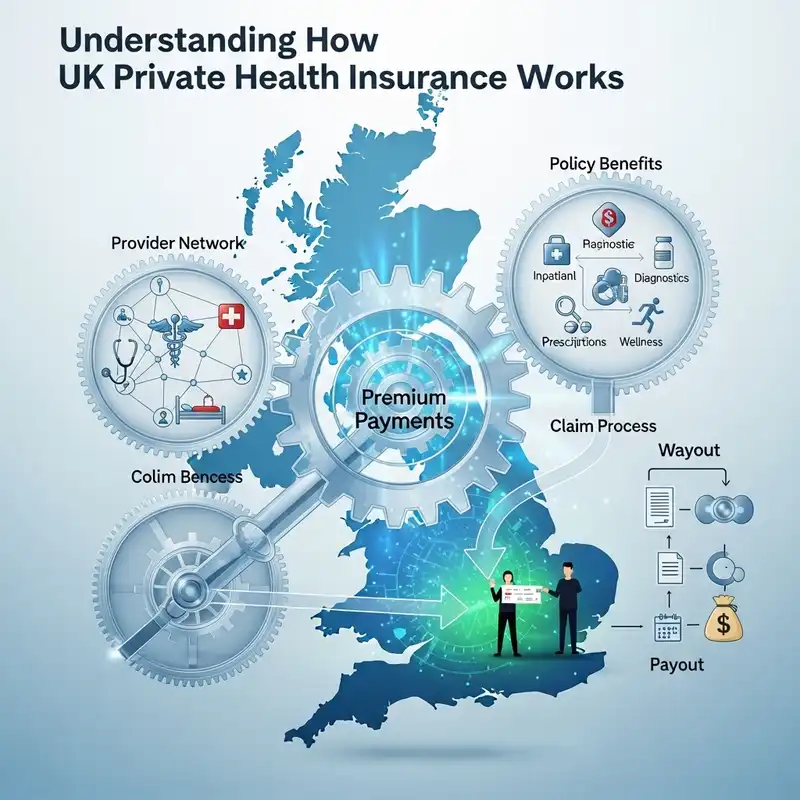




Why private medical insurance and how does it work?
What is Private Medical Insurance?
Private medical insurance (PMI) is a type of health insurance that provides access to private healthcare services in the UK. It covers the cost of private medical treatment, allowing you to bypass NHS waiting lists and receive faster, more convenient care.How does it work?
Private medical insurance works by paying for your private healthcare costs. When you need treatment, you can choose to go private and your insurance will cover the costs, subject to your policy terms and conditions. This can include:• Private consultations with specialists
• Private hospital treatment and surgery
• Diagnostic tests and scans
• Physiotherapy and rehabilitation
• Mental health treatment
Your premium depends on factors like your age, health, occupation, and the level of cover you choose. Most policies offer different levels of cover, from basic to comprehensive, allowing you to tailor the policy to your needs and budget.
Questions to ask yourself regarding private medical insurance
Just ask yourself:👉 Are you concerned about NHS waiting times for treatment?
👉 Would you prefer to choose your own consultant and hospital?
👉 Do you want faster access to diagnostic tests and scans?
👉 Would you like private hospital accommodation and better food?
👉 Do you want to avoid the stress of NHS waiting lists?
Many people don't realise that private medical insurance is more affordable than they think, especially when you consider the value of faster treatment and better facilities. A great insurance policy can provide peace of mind and ensure you receive the care you need when you need it.
Benefits offered by private medical insurance
Private medical insurance provides numerous benefits that can significantly improve your healthcare experience and outcomes:Faster Access to Treatment
One of the biggest advantages is avoiding NHS waiting lists. While the NHS provides excellent care, waiting times can be lengthy. With private medical insurance, you can often receive treatment within days or weeks rather than months.
Choice of Consultant and Hospital
You can choose your preferred consultant and hospital, giving you more control over your healthcare journey. This is particularly important for complex treatments where you want a specific specialist.
Better Facilities and Accommodation
Private hospitals typically offer superior facilities, including private rooms, better food, and more comfortable surroundings. This can make your recovery more pleasant and potentially faster.
Advanced Treatments
Private medical insurance often covers treatments and medications not available on the NHS, giving you access to the latest medical advances and technologies.
Mental Health Support
Many policies include comprehensive mental health coverage, providing faster access to therapy and psychiatric care when needed.
Tax Benefits for Business Owners
If you're self-employed or a business owner, private medical insurance premiums can be tax-deductible, making it a cost-effective way to protect your health and your business.
Peace of Mind
Knowing you have access to private healthcare when you need it provides invaluable peace of mind, especially for those with ongoing health conditions or concerns about NHS capacity.
Private medical insurance is particularly valuable for those who want to take control of their healthcare journey and ensure they receive the best possible treatment when they need it most.
Important Fact!
We can look at a more suitable option mid-term!
Why is it important to get private medical insurance early?
👉 Many people are very thankful that they had their private medical insurance cover in place before running into some serious health issues. Private medical insurance is as important as life insurance for protecting your family's finances.👉 We insure our cars, houses, and even our phones! Yet our health is the most precious thing we have.
Easily one of the most important insurance purchases an individual or family can make in their lifetime, the decision to buy private medical insurance can be made much simpler with the help of FCA-authorised advisers. They are the specialists who do the searching and analysis helping people choose between various types of private medical insurance policies available in the market, including different levels of cover and policy types most suitable to the client's individual circumstances.
It certainly won't do any harm if you speak with one of our experienced insurance experts who are passionate about advising people on financial matters related to private medical insurance and are keen to provide you with a free consultation.
You can discuss with them in detail what affordable private medical insurance plan for the necessary peace of mind they would recommend! WeCovr works with some of the best advisers in the market.
By tapping the button below, you can book a free call with them in less than 30 seconds right now:
Our Group Is Proud To Have Issued 900,000+ Policies!
We've established collaboration agreements with leading insurance groups to create tailored coverage












How It Works
1. Complete a brief form

2. Our experts analyse your information and find you best quotes

3. Enjoy your protection!

Any questions?
Learn more
Who Are WeCovr?
WeCovr is an insurance specialist for people valuing their peace of mind and a great service.👍 WeCovr will help you get your private medical insurance, life insurance, critical illness insurance and others in no time thanks to our wonderful super-friendly experts ready to assist you every step of the way.
Just a quick and simple form and an easy conversation with one of our experts and your valuable insurance policy is in place for that needed peace of mind!