Health Care Insurance Calculator UK for SMEs

As an FCA-authorised broker that has helped arrange over 900,000 policies, WeCovr is a leading expert in UK private medical insurance. This guide is designed to help small and medium-sized enterprises (SMEs) understand the costs of group health cover and make informed decisions for their teams.
Roughly price group health insurance for teams of 2–50 employees
Trying to budget for group health insurance can feel like navigating a maze. You know it’s a valuable benefit for attracting and retaining top talent, but the potential cost is a significant question mark. How much should a small business in the UK expect to pay for private medical insurance (PMI)?
While a precise figure requires a personalised quote, this guide acts as your health care insurance calculator. We will break down all the contributing factors, provide estimated cost tables, and empower you to understand the market. Our goal is to demystify the pricing of private health cover for teams of 2 to 50 employees, so you can plan with confidence.
What is a Group Health Insurance Calculator?
A group health insurance calculator is a tool that provides an estimated cost for a private medical insurance policy for your employees. It's not a final quote, but rather a sophisticated estimate based on key data points you provide about your business and your team.
Think of it as a financial forecast. It uses industry-wide data and known pricing factors to give you a realistic ballpark figure. This helps you:
- Budget effectively: Understand the potential financial commitment before you start the formal quotation process.
- Compare options: Get a feel for how different levels of cover or policy features might impact your premium.
- Build a business case: Present a tangible cost-benefit analysis to partners or decision-makers within your organisation.
A simple online form can only provide a rough guess. A true calculation, like the one a specialist adviser at WeCovr provides, considers the unique DNA of your company to deliver a much more accurate projection.
Key Factors That Influence Your SME's Health Insurance Premiums
The price of your group PMI policy isn't a single, fixed number. It's a dynamic figure calculated from several key variables. Understanding these levers is the first step to controlling your costs.
1. Average Age of Your Team
This is one of the most significant factors. Insurers view age as a primary indicator of health risk. Statistically, older individuals are more likely to require medical treatment.
- Younger Teams (Average Age 25-35): Businesses with a younger workforce will typically benefit from lower premiums.
- Older Teams (Average Age 45-55): Premiums will be higher to reflect the increased likelihood of claims.
Insurers don't look at individuals but at the average age of the group. This "pooling" of risk is a key benefit of a group scheme, as it smooths out the cost compared to individual policies, especially for older employees.
2. Location of Your Business
Where your business is based matters. Medical treatment costs vary significantly across the UK, with private hospitals in Central London being the most expensive.
| Region Tier | Example Locations | Premium Impact |
|---|---|---|
| Tier 1 (Highest) | Central London (e.g., Harley Street) | Highest Premiums |
| Tier 2 | Greater London, Major Cities (e.g., Manchester, Birmingham) | High Premiums |
| Tier 3 | Rest of England & Wales | Standard Premiums |
| Tier 4 (Lowest) | Scotland, Northern Ireland, Remote Areas | Lower Premiums |
Insurers use "hospital lists" to manage this. A policy with a nationwide list including expensive London hospitals will cost more than one limited to local or regional hospital networks.
3. Level of Cover
You can tailor your policy to fit your budget and your team's needs. Cover is typically tiered.
- Basic Cover: This usually covers inpatient and day-patient treatment. This means costs for surgery, hospital beds, and specialist fees are included when a member is admitted to hospital. It's the most budget-friendly option.
- Mid-Level Cover: This includes everything in a basic policy, plus a limited amount of outpatient cover. This could be, for example, up to £1,000 for specialist consultations, diagnostic tests, and scans that don't require a hospital stay.
- Comprehensive Cover: This offers extensive inpatient and outpatient cover, often with no yearly limit on diagnostics. It may also include additional therapies like physiotherapy and mental health support as standard. This is the most expensive but provides the most peace of mind.
4. Underwriting Options
Underwriting is how an insurer assesses risk before offering a policy. For SMEs, there are three main types.
- Moratorium (MHD): This is the most common type for small groups. Pre-existing conditions from the last 5 years are automatically excluded for a set period (usually 24 months). If a member remains symptom-and-advice-free for that condition during this period, it may become eligible for cover. It's simple and requires no medical forms upfront.
- Full Medical Underwriting (FMU): Each employee completes a detailed medical questionnaire. The insurer then assesses this and explicitly lists any conditions that will be permanently excluded. This provides certainty from day one but is more admin-intensive. It can sometimes result in lower premiums if the team is very healthy.
- Continued Personal Medical Exclusions (CPME): This is only for groups who are switching from another provider. It allows employees to carry over the underwriting terms from their previous policy, ensuring continuity of cover.
5. Policy Excess
An excess is the amount an employee pays towards their claim before the insurer covers the rest. A higher excess leads to a lower premium.
- No Excess (£0): Highest premium, but employees pay nothing when they claim.
- Low Excess (£100 - £250): A popular choice, balancing premium savings with a manageable employee contribution.
- High Excess (£500+): Results in significant premium reduction but requires employees to contribute more.
You can set a single excess level for the whole group or offer a choice of options to your employees.
6. Optional Extras
Most insurers offer a menu of add-ons that allow you to enhance your policy. Common options include:
- Dental and Optical Cover: For routine check-ups, glasses, and dental treatment.
- Mental Health Cover: Enhanced support for psychiatric care, therapy, and counselling. This is an increasingly popular benefit.
- Travel Cover: Adding international medical cover for business or leisure trips.
- Therapies: Extended cover for physiotherapy, osteopathy, and chiropractic treatment.
Each addition will increase the premium, but can significantly boost the value of the benefits package.
Example Cost Calculations for UK SMEs (2025 Estimates)
To give you a clearer idea, here are some estimated monthly costs per employee for group private medical insurance in 2025.
Important: These are illustrative figures for a team with an average age of 38. They assume a £250 excess and Moratorium underwriting. Your actual quote will vary.
Table 1: Estimated Monthly Premiums by Cover Level & Location
| Location of Business | Basic Cover (Inpatient Only) | Mid-Level Cover (+ £1,000 Outpatient) | Comprehensive Cover |
|---|---|---|---|
| Manchester | £35 - £50 | £55 - £75 | £80 - £110 |
| Bristol | £32 - £48 | £50 - £70 | £75 - £105 |
| Central London | £50 - £70 | £75 - £100 | £110 - £150 |
| Edinburgh | £30 - £45 | £48 - £65 | £70 - £95 |
Table 2: Impact of Average Age on a Mid-Level Policy (Manchester)
| Average Age of Team | Estimated Monthly Premium per Employee |
|---|---|
| 28 | £40 - £55 |
| 38 | £55 - £75 |
| 48 | £75 - £100 |
As you can see, a decade's difference in average age can increase the premium by 30-40%.
A Note on These Figures
These estimates are based on current market trends and are intended for guidance only. The private medical insurance UK market is competitive, and prices can differ between leading providers like Bupa, Aviva, AXA Health, and Vitality. Working with a specialist PMI broker ensures you get a whole-of-market comparison to find the best value.
The Hidden Value: Beyond the Premium Price Tag
Focusing solely on the monthly premium misses the bigger picture. Group health insurance is an investment with a tangible return for your SME.
- Reduced Sickness Absence: The average UK worker took 7.8 days off sick in 2022, the highest rate since 2008, according to the Office for National Statistics (ONS). PMI provides fast access to diagnosis and treatment, bypassing long NHS waiting lists. The NHS performance statistics for England regularly show millions of patients waiting for consultant-led elective care. Faster treatment means your employees are back at work, healthy and productive, sooner.
- Talent Attraction & Retention: In a competitive job market, a strong benefits package is a key differentiator. A Glassdoor survey found that health insurance is one of the most highly-valued employee benefits. Offering PMI shows you care about your team's wellbeing, which can be decisive for a candidate choosing between your SME and a larger corporation.
- Improved Morale and Productivity: Knowing they have support when they need it reduces stress and financial worry for employees. This "presenteeism"—where employees are physically at work but mentally distracted by health concerns—can be just as costly as absenteeism.
Critical Information: Pre-existing and Chronic Conditions
This is one of the most important aspects to understand about private medical insurance in the UK.
Standard UK PMI policies are designed to cover acute conditions that arise after you join the policy.
- Acute Condition: A disease, illness, or injury that is likely to respond quickly to treatment and lead to a full recovery (e.g., joint replacement, cataract surgery, hernia repair).
- Chronic Condition: A disease, illness, or injury that has one or more of the following characteristics: it needs long-term monitoring, has no known cure, requires ongoing management, or is likely to recur (e.g., diabetes, asthma, high blood pressure, arthritis).
PMI does not cover the routine management of chronic conditions. For instance, it wouldn't cover the ongoing costs of insulin for diabetes. However, if a new, acute condition arises as a complication of that chronic illness, it may be covered, depending on your policy terms.
Pre-existing conditions are any health issues you had before the policy start date. Under a Moratorium (MHD) policy, these are typically excluded for the first two years. With Full Medical Underwriting (FMU), they are usually excluded permanently.
Integrating Employee Wellness into Your PMI Strategy
Modern private health cover is about more than just reacting to illness; it's about promoting wellness. Many insurers now include a wealth of proactive health benefits as standard.
- Digital GP Services: 24/7 access to a GP via phone or video call, often with the ability to get prescriptions delivered.
- Mental Health Support Lines: Confidential access to counsellors and mental health nurses.
- Gym Discounts & Fitness Trackers: Incentives to stay active, with rewards for hitting fitness goals.
- Nutrition & Diet Advice: Access to registered dietitians and healthy eating programmes.
As a WeCovr client, your team also gets complimentary access to CalorieHero, our AI-powered calorie and nutrition tracking app. This simple tool helps employees make healthier choices every day, fostering a culture of wellness that can lead to fewer health issues in the long run.
Simple Wellness Tips for Your Team
Encourage small, sustainable habits within your organisation:
- Stay Hydrated: Place water coolers in accessible locations. Proper hydration boosts concentration and energy.
- Encourage Movement: Suggest walking meetings or simply taking short breaks to stretch. Desk-based work contributes to a sedentary lifestyle.
- Promote Mindful Breaks: Introduce the idea of 5-minute mindfulness or breathing exercises to de-stress during a busy day.
- Healthy Snacks: If you provide snacks, opt for fruit, nuts, and yoghurt over sugary treats.
Why Use a Specialist PMI Broker like WeCovr?
While you can go directly to an insurer, partnering with an independent, FCA-authorised broker like WeCovr offers distinct advantages, especially for an SME.
- Whole-of-Market Access: We are not tied to any single provider. We compare policies from all the leading UK insurers to find the optimal balance of price and benefits for your specific needs.
- Expert, Unbiased Advice: The PMI market is complex. Our advisers are experts who can explain the nuances of hospital lists, underwriting, and policy wording in plain English. We work for you, not the insurer.
- No Cost to You: Our service is free. We receive a commission from the insurer you choose, which is already built into the premium. You get expert guidance without paying a penny extra.
- Time-Saving: We handle the legwork of gathering quotes and comparing policies, presenting you with a clear, easy-to-understand summary.
- Ongoing Support: Our relationship doesn't end once you buy the policy. We are here to help with renewals, claims queries, and any adjustments you need to make as your business grows.
- High Customer Satisfaction: Our focus on clear communication and client-first service has earned us high ratings on independent review platforms.
- Exclusive Discounts: When you arrange your PMI or Life Insurance through us, we can often provide discounts on other types of business or personal insurance you may need.
Is group health insurance cheaper than individual policies?
Does my small business have to pay for the whole premium?
Is private medical insurance considered a taxable benefit in the UK?
What happens if an employee leaves my company?
Ready to Find the Right Cover for Your Team?
Estimating costs is the first step. The next is getting a precise, tailored quote that reflects your business's unique profile.
Let our expert advisers do the hard work for you. We'll compare the market, explain your options clearly, and find a policy that protects your most valuable asset: your people.
Get Your Free, No-Obligation Group PMI Quote from WeCovr Today
Related guides



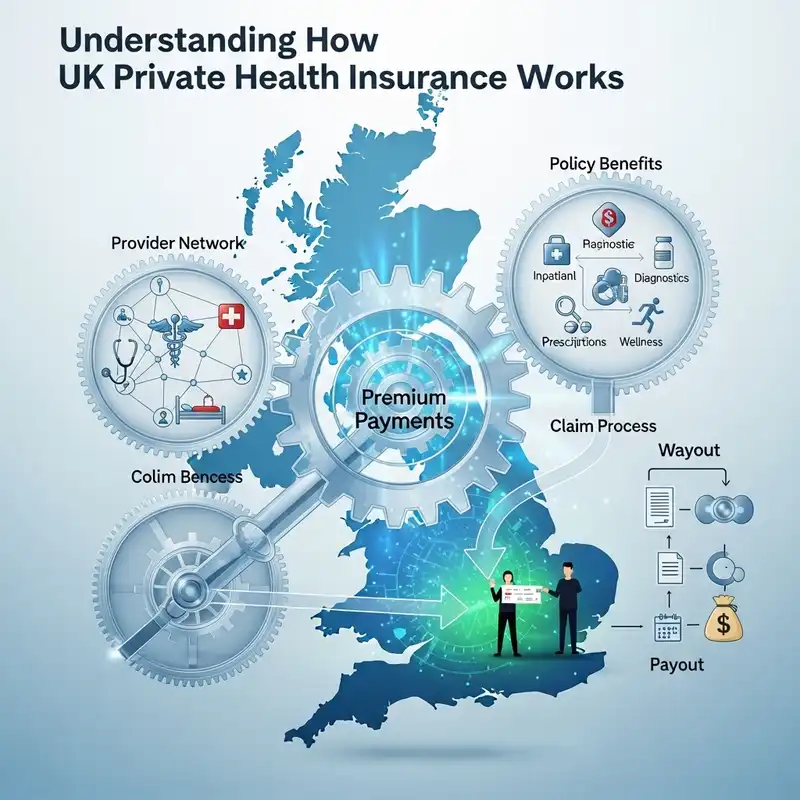


Why private medical insurance and how does it work?
What is Private Medical Insurance?
Private medical insurance (PMI) is a type of health insurance that provides access to private healthcare services in the UK. It covers the cost of private medical treatment, allowing you to bypass NHS waiting lists and receive faster, more convenient care.How does it work?
Private medical insurance works by paying for your private healthcare costs. When you need treatment, you can choose to go private and your insurance will cover the costs, subject to your policy terms and conditions. This can include:• Private consultations with specialists
• Private hospital treatment and surgery
• Diagnostic tests and scans
• Physiotherapy and rehabilitation
• Mental health treatment
Your premium depends on factors like your age, health, occupation, and the level of cover you choose. Most policies offer different levels of cover, from basic to comprehensive, allowing you to tailor the policy to your needs and budget.
Questions to ask yourself regarding private medical insurance
Just ask yourself:👉 Are you concerned about NHS waiting times for treatment?
👉 Would you prefer to choose your own consultant and hospital?
👉 Do you want faster access to diagnostic tests and scans?
👉 Would you like private hospital accommodation and better food?
👉 Do you want to avoid the stress of NHS waiting lists?
Many people don't realise that private medical insurance is more affordable than they think, especially when you consider the value of faster treatment and better facilities. A great insurance policy can provide peace of mind and ensure you receive the care you need when you need it.
Benefits offered by private medical insurance
Private medical insurance provides numerous benefits that can significantly improve your healthcare experience and outcomes:Faster Access to Treatment
One of the biggest advantages is avoiding NHS waiting lists. While the NHS provides excellent care, waiting times can be lengthy. With private medical insurance, you can often receive treatment within days or weeks rather than months.
Choice of Consultant and Hospital
You can choose your preferred consultant and hospital, giving you more control over your healthcare journey. This is particularly important for complex treatments where you want a specific specialist.
Better Facilities and Accommodation
Private hospitals typically offer superior facilities, including private rooms, better food, and more comfortable surroundings. This can make your recovery more pleasant and potentially faster.
Advanced Treatments
Private medical insurance often covers treatments and medications not available on the NHS, giving you access to the latest medical advances and technologies.
Mental Health Support
Many policies include comprehensive mental health coverage, providing faster access to therapy and psychiatric care when needed.
Tax Benefits for Business Owners
If you're self-employed or a business owner, private medical insurance premiums can be tax-deductible, making it a cost-effective way to protect your health and your business.
Peace of Mind
Knowing you have access to private healthcare when you need it provides invaluable peace of mind, especially for those with ongoing health conditions or concerns about NHS capacity.
Private medical insurance is particularly valuable for those who want to take control of their healthcare journey and ensure they receive the best possible treatment when they need it most.
Important Fact!
We can look at a more suitable option mid-term!
Why is it important to get private medical insurance early?
👉 Many people are very thankful that they had their private medical insurance cover in place before running into some serious health issues. Private medical insurance is as important as life insurance for protecting your family's finances.👉 We insure our cars, houses, and even our phones! Yet our health is the most precious thing we have.
Easily one of the most important insurance purchases an individual or family can make in their lifetime, the decision to buy private medical insurance can be made much simpler with the help of FCA-authorised advisers. They are the specialists who do the searching and analysis helping people choose between various types of private medical insurance policies available in the market, including different levels of cover and policy types most suitable to the client's individual circumstances.
It certainly won't do any harm if you speak with one of our experienced insurance experts who are passionate about advising people on financial matters related to private medical insurance and are keen to provide you with a free consultation.
You can discuss with them in detail what affordable private medical insurance plan for the necessary peace of mind they would recommend! WeCovr works with some of the best advisers in the market.
By tapping the button below, you can book a free call with them in less than 30 seconds right now:
Our Group Is Proud To Have Issued 900,000+ Policies!
We've established collaboration agreements with leading insurance groups to create tailored coverage















How It Works
1. Complete a brief form

2. Our experts analyse your information and find you best quotes

3. Enjoy your protection!

Any questions?
Learn more

Who Are WeCovr?
WeCovr is an insurance specialist for people valuing their peace of mind and a great service.👍 WeCovr will help you get your private medical insurance, life insurance, critical illness insurance and others in no time thanks to our wonderful super-friendly experts ready to assist you every step of the way.
Just a quick and simple form and an easy conversation with one of our experts and your valuable insurance policy is in place for that needed peace of mind!