TL;DR
They are the essential blueprint for safeguarding your well-being, nurturing deeper relationships, and ensuring your personal development journey continues uninterrupted, even when life takes an unexpected turn. Learn why securing your future today is the ultimate act of self-care and the most profound investment in peace of mind, extending even to legacy planning with Gift Inter Vivos.
Key takeaways
- How it Works: On diagnosis of one of a list of specified serious conditions (such as cancer, heart attack, or stroke), the policy pays out a one-off, tax-free lump sum.
- Clear your mortgage or other debts.
- Pay for private medical treatment or specialist consultations.
- Adapt your home for new mobility needs.
The Unseen Shield: How Strategic Protection Unlocks True Personal Growth and Resilience in 2025
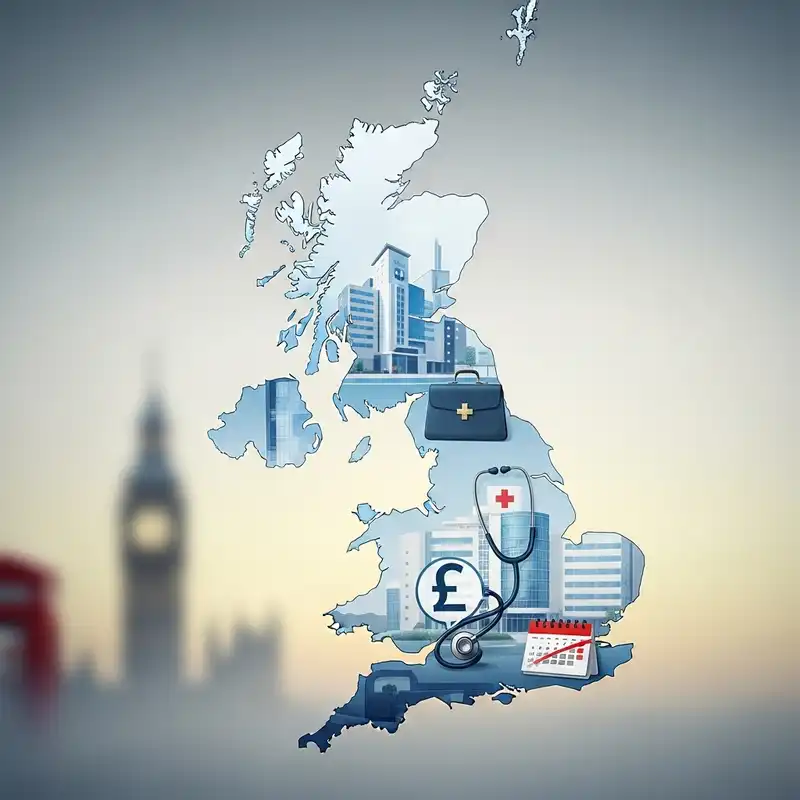
With a projected 1 in 2 UK citizens facing a cancer diagnosis in their lifetime and a concerning rise in life-impacting events for even the most dedicated, including nurses, electricians, and tradespeople, discover how proactive measures like Family Income Benefit, tailored Personal Sick Pay, Income Protection, Life and Critical Illness Cover, and the strategic advantages of Private Health Insurance – offering rapid diagnosis and treatment choice – are not just financial safety nets. They are the essential blueprint for safeguarding your well-being, nurturing deeper relationships, and ensuring your personal development journey continues uninterrupted, even when life takes an unexpected turn. Learn why securing your future today is the ultimate act of self-care and the most profound investment in peace of mind, extending even to legacy planning with Gift Inter Vivos. (illustrative estimate)
The Modern Paradox: Health-Conscious Yet Deeply Vulnerable
We live in an age of unprecedented wellness. From mindfulness apps and organic juice cleanses to high-intensity interval training and sleep-tracking rings, the pursuit of a healthier, longer life has become a central focus for millions in the UK. We meticulously plan our meals, schedule our workouts, and strive for that elusive eight hours of sleep. Yet, beneath this veneer of control lies a startling paradox: we are, in many ways, more vulnerable than ever.
The statistics paint a sobering picture. The "1 in 2" projection from Cancer Research UK is not a distant forecast; it's a looming reality that will touch almost every family. Beyond this, the Office for National Statistics (ONS) reported in 2024 that a record 2.8 million people in the UK were out of work due to long-term sickness, a staggering increase from pre-pandemic levels. This isn't just affecting older generations; it's impacting people in the prime of their working lives.
Even the most physically robust are not immune. The Health and Safety Executive (HSE) continually highlights the risks faced by skilled professionals. An electrician working on a complex wiring system, a plumber navigating a hazardous site, or a nurse performing physically demanding duties for a 12-hour shift are all just one accident or injury away from being unable to earn a living.
This is where the wellness narrative falls short. While a healthy lifestyle can certainly reduce your risk of certain conditions, it cannot eliminate them entirely. It cannot prevent accidents. It cannot stop a sudden, unexpected diagnosis. True resilience isn't just about building a stronger body; it's about building a stronger, more secure life – one that can withstand the shocks that wellness trends alone cannot deflect.
Deconstructing Your Shield: A Guide to Key Protection Policies
Understanding the different types of protection available is the first step toward building your personal financial fortress. Think of these policies not as expenses, but as vital components of a comprehensive strategy for well-being. Each serves a unique purpose, and often, the most robust protection comes from a carefully selected combination.
Income Protection (IP): Your Monthly Paycheck When You Can't Work
Arguably the bedrock of any protection plan, Income Protection is designed to do one thing: replace a significant portion of your income if you are unable to work due to illness or injury.
- How it Works: It pays out a regular, tax-free monthly sum until you can return to work, retire, or the policy term ends. This allows you to continue paying your mortgage, bills, and living expenses without decimating your savings.
- The 'Own Occupation' Gold Standard: The most comprehensive IP policies use an 'own occupation' definition. This means the policy will pay out if you are unable to perform your specific job, not just any job. For a surgeon with a hand injury or a copywriter with severe burnout, this distinction is critical.
- Deferred Period: You choose a "deferred" or "waiting" period before the payments start, typically ranging from 4 weeks to 12 months. Aligning this with your employer's sick pay scheme or your personal savings can make the cover more affordable.
Example: Sarah, a 35-year-old self-employed marketing consultant, develops a severe repetitive strain injury (RSI) and is told she cannot use a keyboard for six months. Her IP policy, which has a 4-week deferred period, kicks in and pays her £2,500 a month, allowing her to focus on her recovery without the terror of mounting bills.
Critical Illness Cover (CIC): A Lump Sum for Life's Biggest Fights
While Income Protection covers your monthly outgoings, Critical Illness Cover is designed to deal with the immediate and significant financial impact of a major health crisis.
- How it Works: On diagnosis of one of a list of specified serious conditions (such as cancer, heart attack, or stroke), the policy pays out a one-off, tax-free lump sum.
- Financial Breathing Space: This money is yours to use as you see fit. It could be used to:
- Clear your mortgage or other debts.
- Pay for private medical treatment or specialist consultations.
- Adapt your home for new mobility needs.
- Allow a partner to take time off work to care for you.
- Simply provide a financial cushion, removing money worries so you can focus 100% on getting better.
Given that a cancer diagnosis can lead to an average income drop of £860 per month according to Macmillan Cancer Support, the value of a CIC lump sum becomes starkly clear. (illustrative estimate)
Life Insurance (Life Cover): The Ultimate Act of Care for Your Loved Ones
Life Insurance is the most well-known form of protection. Its purpose is simple but profound: to provide a financial payout to your loved ones if you pass away during the policy term.
- Term Life Insurance: This is the most common type, covering you for a fixed period (e.g., 25 years, until your children are adults or your mortgage is paid off). It's a cost-effective way to protect your family during the years they depend on you most.
- Whole of Life Insurance: This policy guarantees a payout whenever you die, as long as you keep up with the premiums. It's often used for Inheritance Tax planning or to leave a guaranteed legacy.
- Why it Matters: The payout can ensure your family can stay in their home, cover funeral costs, pay off debts, and maintain their standard of living at an impossibly difficult time. It's a final, powerful act of provision.
Family Income Benefit (FIB): A Smarter Way to Protect Your Family's Lifestyle
An intelligent and often overlooked alternative to a standard lump-sum life insurance policy, Family Income Benefit works differently.
- How it Works: Instead of a single large payout, FIB provides your family with a series of smaller, regular, tax-free monthly or annual payments upon your death. These payments continue until the end of the policy term.
- The Benefit of Budgeting: For families, especially those with young children, managing a huge lump sum can be daunting. A regular income stream is far easier to budget with, mirroring the monthly salary it is designed to replace. It provides stability and prevents the risk of the lump sum being spent too quickly. It is also often more affordable than equivalent lump-sum cover.
Personal Sick Pay: Essential Cover for Hands-On Professionals
For those in physically demanding or riskier jobs – tradespeople, construction workers, nurses, drivers – even a short time off work can be financially devastating. Personal Sick Pay policies are a form of short-term Income Protection designed for this very scenario.
- Key Features: They typically have very short deferred periods (from one day to a few weeks) and pay out for a limited duration, usually 12 or 24 months per claim.
- The Target Audience: An electrician who suffers an electric shock, a plumber who breaks a leg falling from a ladder, or a nurse who injures their back lifting a patient cannot rely on statutory sick pay alone. Personal Sick Pay bridges that critical gap, ensuring bills are paid during the initial recovery period.
To help you visualise the options, here is a simple breakdown:
| Protection Type | What It Does | Who It's For |
|---|---|---|
| Income Protection | Replaces monthly income if you can't work due to illness/injury. | Virtually all working adults, especially the self-employed. |
| Critical Illness Cover | Pays a one-off tax-free lump sum on diagnosis of a serious illness. | Anyone with major debts like a mortgage, or who wants a financial buffer. |
| Life Insurance | Pays a lump sum to your beneficiaries when you die. | Anyone with dependents (partner, children) or a mortgage. |
| Family Income Benefit | Pays a regular income to your family when you die, instead of a lump sum. | Young families who would benefit from a replacement monthly salary. |
| Personal Sick Pay | A short-term income replacement policy for illness/injury. | Tradespeople, nurses, and those in manual or higher-risk jobs. |
The Game-Changer: Private Health Insurance for Resilience
In the conversation about protection, Private Health Insurance (PHI), also known as Private Medical Insurance (PMI), is often seen as a luxury. In 2025, it should be viewed as a strategic necessity for anyone serious about safeguarding their health and productivity.
The NHS is a national treasure, but it is under immense pressure. NHS England data from early 2025 shows referral-to-treatment waiting lists remain stubbornly high, with millions of people waiting for routine procedures. This isn't just an inconvenience; it can be a source of profound anxiety and can lead to a condition worsening while you wait.
PHI provides a direct solution to this uncertainty.
- Rapid Diagnosis: If you have a worrying symptom, PHI can get you an appointment with a specialist in days, not months. This speed is crucial for both effective treatment and your peace of mind.
- Choice and Control: You get to choose the hospital and the consultant who treats you, giving you control over your care. Treatment can be scheduled at a time that suits you, minimising disruption to your life and work.
- Access to Advanced Treatments: PHI can provide access to new drugs, therapies, and surgical techniques that may not yet be available on the NHS due to funding constraints.
When combined with other forms of protection, PHI creates a powerful synergy. Imagine you are diagnosed with a critical illness. Your PHI gets you diagnosed and treated quickly at a leading private hospital. Your Critical Illness Cover provides a lump sum to eliminate financial stress. And your Income Protection ensures the household bills are still paid while you recover. This is what a truly comprehensive shield looks like.
Beyond the Paycheck: The Holistic Benefits of Being Protected
The true value of strategic protection extends far beyond the financial payouts. It cultivates a foundation of security that allows every other aspect of your life to flourish.
1. Unlocking Mental Well-being and Peace of Mind
Financial anxiety is a pervasive and corrosive force. Worrying about how you would cope financially in a crisis is a constant, low-level stressor that can impact your sleep, mood, and overall health. Putting a robust protection plan in place removes this "what if?" burden. It is one of the most powerful things you can do for your mental well-being, freeing up cognitive and emotional energy to focus on positive pursuits.
2. Nurturing and Protecting Relationships
Few things place more strain on a relationship than a sudden health crisis compounded by financial pressure. Arguments over money, the stress of making ends meet, and the resentment that can build are common and destructive. Insurance acts as a buffer, absorbing the financial shock so that you and your partner can focus on what truly matters: supporting each other through a difficult time.
3. Enabling True Personal Growth
How many people stay in jobs they dislike because they fear the lack of a safety net? How many put off starting their own business or pursuing a passion project? A solid protection portfolio is an enabler of ambition. When you know that your income and family are protected against the unexpected, you are empowered to take calculated risks. You can change careers, go freelance, or invest in your own development, knowing that a health setback won't mean financial ruin. It's the unseen foundation upon which a brave and expansive life is built.
At WeCovr, we see this every day. Our clients don't just buy policies; they buy peace of mind. They build a platform for growth. We believe so strongly in this holistic approach that we go beyond just insurance. As a thank you to our clients for entrusting us with their protection, we provide complimentary access to our AI-powered nutrition app, CalorieHero. It's our way of helping you manage the wellness factors you can control, while we ensure you're comprehensively protected against the ones you can't.
Specialist Protection for Business Leaders and the Self-Employed
For those who run their own business or work for themselves, the standard safety nets simply don't exist. There's no statutory sick pay beyond a minimal level, no employer pension contributions, and no death-in-service benefit. This makes personal protection non-negotiable, but it also opens up opportunities for highly strategic, tax-efficient business protection.
For Company Directors and Business Owners
- Key Person Insurance: What would happen to your business if your top salesperson, genius developer, or you yourself were suddenly unable to work? Key Person Insurance protects the business itself. It pays a lump sum to the business to cover lost profits, recruit a replacement, or repay business loans in the event a crucial individual dies or suffers a critical illness.
- Executive Income Protection: This is a standard Income Protection policy that is owned and paid for by your limited company. The premiums are typically treated as an allowable business expense, making it a highly tax-efficient way for directors to secure their personal income. The business pays the premium, and if the director is unable to work, the benefit is paid to the business, which then pays it on to the director via PAYE.
- Relevant Life Cover: This is a company-paid death-in-service benefit for individual employees or directors. Like Executive IP, the premiums are usually an allowable business expense and it is not treated as a P11D benefit-in-kind. It provides life cover for your family in a very tax-efficient manner.
| Business Protection | What It Protects | How It's Paid | Key Benefit |
|---|---|---|---|
| Key Person Insurance | The business's financial health. | By the business. | Covers lost profits/recruitment costs. |
| Executive Income Protection | A director's personal income. | By the business. | Tax-efficient premiums for the company. |
| Relevant Life Cover | A director/employee's family. | By the business. | Tax-efficient life cover outside the estate. |
For the Self-Employed and Freelancers
If you are self-employed, you are your own primary asset. If you can't work, your income stops instantly. Income Protection is not a 'nice-to-have'; it is the most critical insurance you can own. It is the difference between a period of recovery and a financial catastrophe.
Leaving a Lasting Legacy: Strategic Estate Planning with Gift Inter Vivos
True peace of mind extends beyond your own lifetime. It involves ensuring the wealth you have built passes efficiently to the people you love. Inheritance Tax (IHT) can significantly reduce the value of the legacy you leave behind.
One common strategy to mitigate IHT is to gift assets during your lifetime. However, under the "7-year rule," if you pass away within seven years of making a large gift (a "Potentially Exempt Transfer"), that gift may still be subject to IHT.
This is where Gift Inter Vivos (GIV) insurance comes in.
- What it is: A specialised type of life insurance policy designed to pay out a lump sum to cover the potential IHT liability on a gift.
- How it works (illustrative): Imagine a parent gifts their child £150,000 for a house deposit. They take out a GIV policy for a 7-year term. If the parent dies within those 7 years, the policy pays out, covering the IHT bill and ensuring the child receives the full value of the intended gift. The cost of the policy usually decreases over the term, mirroring the "taper relief" on the tax liability.
This is the final piece of the puzzle – protecting not just your life and income, but your legacy too.
Putting It All Together: Building Your Personalised Shield
As we've seen, there is no single product that solves everything. A truly resilient financial plan is a tapestry woven from different threads of protection, each tailored to your unique circumstances.
- What are your monthly outgoings?
- How much is your mortgage?
- Do you have children or a financially dependent partner?
- What is your occupation and the associated risks?
- What savings do you have, and how long would they last?
Answering these questions is the first step. The next is seeking expert advice. Navigating the complexities of different policies, insurers, and definitions can be overwhelming. This is where an expert broker becomes invaluable.
At WeCovr, we don't just sell insurance. We act as your personal protection strategist. Our role is to understand you, your family, and your goals. We then use our expertise and access to the entire UK insurance market – including major names like Aviva, Legal & General, Zurich, and Vitality – to compare plans and build a bespoke, affordable portfolio that provides complete peace of mind. We handle the paperwork and are there to support you if you ever need to make a claim.
Securing your future is the ultimate act of self-care and the most profound investment you can make in your personal growth. It's time to look beyond the wellness trends and build the unseen shield that will truly allow you to thrive, no matter what 2025 and the years beyond may bring.
Proactive Well-being: Complementing Your Financial Shield
While insurance is your safety net, a proactive approach to health remains your first line of defence. Combining a healthy lifestyle with a robust protection plan is the ultimate strategy for resilience.
Nutrition for Resilience
Focus on a balanced, anti-inflammatory diet rich in whole foods. Think colourful fruits and vegetables, lean proteins, healthy fats (like those in avocados, nuts, and olive oil), and complex carbohydrates. Minimising processed foods, sugar, and excessive alcohol can have a profound impact on your energy levels, mental clarity, and long-term health.
The Power of Sleep
Never underestimate the restorative power of sleep. Aim for 7-9 hours of quality sleep per night. It's when your body repairs itself, consolidates memories, and regulates hormones. A consistent sleep schedule, a dark and cool room, and limiting screen time before bed are simple but effective habits.
Mindful Movement
Exercise doesn't have to mean punishing gym sessions. The key is consistent, mindful movement. This could be brisk walking, cycling, swimming, yoga, or dancing. Regular physical activity is proven to boost mood, reduce the risk of chronic disease, and improve cognitive function.
Digital Detox & Mental Clarity
In our hyper-connected world, taking time to unplug is essential. Regular "digital detoxes" can reduce stress, improve focus, and foster better relationships. Practices like meditation, journaling, or simply spending time in nature can help calm the nervous system and provide much-needed mental clarity.
By embracing these habits, you are actively investing in your health capital. And with your financial shield in place, you have the security to know you're protected on all fronts.
Is this type of insurance expensive?
What if I have a pre-existing medical condition?
Do I really need income protection if I have savings?
Can I get cover if I'm self-employed?
Why use a broker like WeCovr instead of going direct to an insurer?
Sources
- Office for National Statistics (ONS): Mortality and population data.
- Association of British Insurers (ABI): Life and protection market publications.
- MoneyHelper (MaPS): Consumer guidance on life insurance.
- NHS: Health information and screening guidance.