TL;DR
When a health concern arises, the wait for a diagnosis can be the most stressful part of the journey. As an FCA-authorised broker that has helped arrange over 900,000 policies, we at WeCovr know that fast access to diagnostics is a top priority for UK consumers considering private medical insurance. This comprehensive guide explores which private medical insurance (PMI) providers offer the quickest access to diagnostic scans and tests in 2025, helping you bypass long waiting lists and get the answers you need, when you need them.
Key takeaways
- Advanced Scans: MRI (Magnetic Resonance Imaging), CT (Computed Tomography), and PET (Positron Emission Tomography) scans.
- Consultations: Appointments with specialist consultants, such as cardiologists or orthopaedic surgeons.
- Other Tests: X-rays, ultrasounds, blood tests, and endoscopies.
- Improved Treatment Outcomes: Early detection of conditions like cancer or heart disease dramatically increases the chances of successful treatment.
- Reduced Anxiety and Stress: The "waiting and wondering" phase is often emotionally draining. Getting a clear diagnosis, even if the news isn't what you hoped for, provides certainty and allows you to move forward.
When a health concern arises, the wait for a diagnosis can be the most stressful part of the journey. As an FCA-authorised broker that has helped arrange over 900,000 policies, we at WeCovr know that fast access to diagnostics is a top priority for UK consumers considering private medical insurance.
This comprehensive guide explores which private medical insurance (PMI) providers offer the quickest access to diagnostic scans and tests in 2025, helping you bypass long waiting lists and get the answers you need, when you need them.
Which insurers offer the fastest MRI, CT, and diagnostic cover in 2025
Navigating the world of private health cover can feel complex, but understanding how insurers handle diagnostics is the key to unlocking its greatest benefit: speed. Diagnostics in PMI refers to the tests and procedures used to identify a medical condition. This includes:
- Advanced Scans: MRI (Magnetic Resonance Imaging), CT (Computed Tomography), and PET (Positron Emission Tomography) scans.
- Consultations: Appointments with specialist consultants, such as cardiologists or orthopaedic surgeons.
- Other Tests: X-rays, ultrasounds, blood tests, and endoscopies.
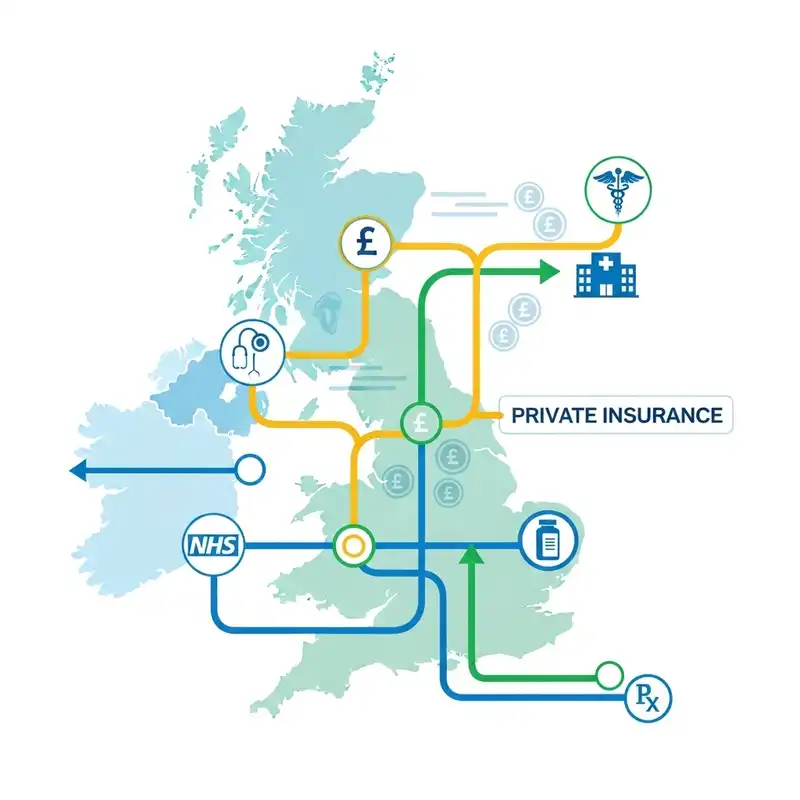
The unfortunate reality of the UK healthcare landscape is the pressure on NHS services. As of mid-2024, NHS England data showed that around 1.6 million patients were waiting for a diagnostic test, with over 300,000 of them waiting more than the six-week target. For many, this uncertainty is a significant source of anxiety.
Private medical insurance acts as a direct solution to this problem. The best PMI providers have streamlined processes designed to get you from a GP referral to a specialist consultation or a scan in a matter of days, not months. Insurers like AXA Health, Bupa, and Aviva have built their reputations on this efficiency, offering dedicated pathways and digital tools to accelerate the entire diagnostic journey.
A Critical Note on PMI Coverage
Before we delve deeper, it's essential to understand a fundamental principle of private medical insurance in the UK.
PMI is designed to cover acute conditions that arise after you take out your policy. An acute condition is a disease, illness, or injury that is likely to respond quickly to treatment and lead to a full recovery.
Standard PMI policies do not cover pre-existing conditions (any ailment you had symptoms of or received advice or treatment for before your policy started) or chronic conditions (illnesses that require long-term management, like diabetes or asthma).
Understanding this distinction is crucial for setting the right expectations for your private health cover.
Why Fast Diagnostics Are the Cornerstone of Modern Healthcare
A swift and accurate diagnosis is more than just a convenience; it's a critical component of effective medical care. The sooner a condition is identified, the sooner the right treatment can begin.
Benefits of rapid diagnostics include:
- Improved Treatment Outcomes: Early detection of conditions like cancer or heart disease dramatically increases the chances of successful treatment.
- Reduced Anxiety and Stress: The "waiting and wondering" phase is often emotionally draining. Getting a clear diagnosis, even if the news isn't what you hoped for, provides certainty and allows you to move forward.
- Prevention of Complications: A prompt MRI for a back injury can identify a problem before it leads to chronic pain or nerve damage. A quick colonoscopy can find and remove pre-cancerous polyps.
- Faster Return to Normal Life: Whether it's getting back to work, sports, or family activities, a quick diagnosis is the first step towards recovery.
Real-Life Example: Imagine Sarah, a 45-year-old marketing manager, starts experiencing persistent knee pain after a weekend hike. Her GP suspects a ligament tear but refers her for an NHS MRI scan, with a current waiting time of 10-12 weeks in her area. The pain prevents her from exercising and affects her sleep.
Fortunately, Sarah has a PMI policy. She calls her insurer, gets authorisation, and has her MRI scan at a private clinic within four days. The scan confirms a torn meniscus. A week later, she sees an orthopaedic surgeon who schedules keyhole surgery for the following week. Within a month of the initial injury, Sarah is on the road to a full recovery, whereas on the NHS, she would likely still be waiting for her initial scan.
Understanding Your PMI Policy: What to Look For in Diagnostic Cover
To ensure you have the right cover for fast diagnostics, you need to understand the key components of a PMI policy. These options will directly impact your access and your premium.
Outpatient Cover
This is perhaps the most important element for diagnostics. Most diagnostic tests and specialist consultations happen on an 'outpatient' basis, meaning you aren't admitted to a hospital bed overnight.
- Basic Cover: Often has no outpatient cover or a very low limit. This means you would rely on the NHS for your initial diagnosis and could only use your PMI for the treatment (inpatient care).
- Mid-Range Cover: Typically includes a set financial limit for outpatient services, for example, £500, £1,000, or £1,500 per year. This is usually sufficient for a few consultations and scans.
- Comprehensive Cover: Offers unlimited outpatient cover, ensuring all your eligible diagnostic tests and consultations are paid for without you worrying about hitting a cap. This is the best option for guaranteed fast and full diagnostic access.
Referral Paths: Guided vs. Open
How you get to see a specialist can vary between insurers.
- Open Referral: Your GP refers you to a type of specialist (e.g., a dermatologist). You and your insurer then choose a specific consultant from their approved list. This offers maximum flexibility.
- Guided Referral (or "Directed Care"): Your insurer will provide a shortlist of 3-5 specialists for you to choose from. This option, often used by providers like Aviva, can sometimes be faster and may result in a lower premium, but it limits your choice.
Other Key Terms
- Excess: The amount you agree to pay towards any claim. A higher excess (£500 or £1,000) will lower your monthly premium, but you'll have to pay this amount before the insurer covers the rest.
- Hospital List: Insurers have different lists of approved hospitals. A more comprehensive list gives you more choice of where to have your scans and treatment but usually costs more. Check that the hospitals near you are on the list.
- Diagnostics Only Cover: A newer, more affordable type of policy offered by some insurers. It covers the cost of scans and tests to get a diagnosis but does not cover the subsequent treatment. You would then take your diagnosis back to the NHS for treatment. This is a great budget option for those whose main priority is avoiding the diagnostic waiting lists.
Top UK PMI Providers for Diagnostics in 2025: A Detailed Comparison
Each major UK insurer has its own strengths when it comes to diagnostics. Here, we break down what the leading providers offer.
| Provider | Key Diagnostic Feature / Pathway | Typical Referral Process | Best For... |
|---|---|---|---|
| AXA Health | Fast Track Appointments & Doctor@Hand | GP referral, then use their specialist finder. Fast Track service can book appointments for you. | Speed and integrated digital GP service for quick referrals. |
| Bupa | Direct Access & Digital GP | GP referral required, but Direct Access can speed up cancer and mental health claims. | Comprehensive cancer cover and a trusted, established network. |
| Aviva | Expert Select (Guided Option) | GP referral, then Aviva provides a shortlist of specialists. | Cost-effective premiums for those happy with a guided choice of specialists. |
| Vitality | Vitality GP & Wellness Programme | Integrated Vitality GP app can provide referrals. Focus on proactive health. | Individuals who engage with the wellness programme to lower premiums and get rewards. |
In-Depth Look at the Providers
1. AXA Health
AXA Health is renowned for its efficiency and patient-centric services. Their Fast Track Appointments service is a standout feature. Once you have a GP referral, their team can often find and book an appointment with a specialist on your behalf, taking the administrative burden off you. Their Doctor@Hand digital GP service (powered by Teladoc) is also well-regarded, providing 24/7 access to a private GP who can issue referrals directly, further speeding up the process.
- Pros: Excellent digital tools, proactive appointment booking service, strong hospital network.
- Cons: Comprehensive policies can be at the higher end of the price spectrum.
2. Bupa
As one of the UK's most recognised health insurance brands, Bupa has a vast network of hospitals and clinics. Their Direct Access service is particularly valuable for specific concerns. For example, if you have symptoms that could indicate cancer, you can often call them directly without a GP referral to start the diagnostic process, which can be a huge comfort. Their focus on end-to-end care pathways means the journey from diagnosis to treatment is often seamless.
- Pros: Strong brand trust,
Direct Accessfor certain conditions, extensive network. - Cons: May not be the cheapest option; some customers report processes can feel more traditional than newer, digital-first providers.
3. Aviva
Aviva offers a very competitive product, often at a lower price point. This is partly achieved through their Expert Select hospital list and guided referral model. When you need to see a specialist, Aviva will provide you with a shortlist of pre-vetted consultants. While this limits choice, Aviva ensures these are high-quality specialists, and the process is typically very quick. For those who value speed and cost-effectiveness over a wide choice of doctors, Aviva is an excellent option.
- Pros: Often more affordable premiums, streamlined guided referral process.
- Cons: Limited choice of specialists and hospitals compared to an open referral policy.
4. Vitality
Vitality takes a different approach by integrating health insurance with a wellness programme. They actively reward you for being healthy—tracking your steps, going to the gym, and having health checks can earn you points, which in turn can lower your premiums and unlock rewards like free coffee or cinema tickets. For diagnostics, their Vitality GP app provides video consultations and can issue referrals. Their model is designed to encourage proactive health, potentially reducing the need for diagnostics in the first place.
- Pros: Rewards for a healthy lifestyle can significantly reduce costs, integrated GP app.
- Cons: To get the most value, you must actively engage with the wellness programme.
How WeCovr Helps You Find the Right Policy for Fast Scans
The details matter. A policy with a £1,000 outpatient limit might be perfect for one person, while another needs an unlimited plan. A guided option might suit a busy professional, while someone else prefers the flexibility of an open referral. (illustrative estimate)
This is where an expert, independent PMI broker like WeCovr becomes invaluable.
- We Compare the Whole Market: We have access to policies from all the major providers and can compare their intricate details side-by-side, saving you hours of research.
- We Tailor to Your Needs: We listen to what's important to you—be it speed, budget, or choice of hospital—and find the policy that fits your life.
- It Costs You Nothing: Our service is completely free for you. We receive a commission from the insurer you choose, and the price you pay is the same as going direct.
- Expertise and Support: With high customer satisfaction ratings and deep market knowledge, our advisors can demystify the jargon and help you make a confident choice.
As a WeCovr client, you also get complimentary access to our AI-powered calorie and nutrition tracking app, CalorieHero, to support your health goals. Furthermore, customers who purchase PMI or life insurance often receive discounts on other types of cover, such as home or travel insurance.
Cost vs. Benefit: Is Full Diagnostic Cover Worth It?
A comprehensive PMI policy with unlimited outpatient cover might cost between £50 and £150 per month, depending on your age, location, and health. While this is a significant expense, it's important to weigh it against the alternative. (illustrative estimate)
The cost of paying for a single diagnostic scan privately can be substantial:
- MRI Scan (illustrative): £400 - £1,500+
- CT Scan (illustrative): £500 - £1,200+
- Specialist Consultation (illustrative): £200 - £350
One single health scare that requires a consultation and an advanced scan could easily cost over £1,000. A policy with a £60 monthly premium (£720 per year) suddenly looks like a very sound financial decision, providing peace of mind and protection against unpredictable costs.
For those on a tighter budget, a "Diagnostics Only" plan offers an excellent compromise. These plans can cost as little as £20-£40 per month and will cover you for all the tests needed to get a diagnosis, which you can then take back to the NHS for treatment, having bypassed the longest waiting list.
Beyond Insurance: Proactive Steps for Your Health
While private medical insurance UK is a powerful tool, the best strategy is always prevention. A healthy lifestyle can reduce your risk of developing many conditions that require diagnostic scans.
- Eat a Balanced Diet: Focus on whole foods, fruits, vegetables, lean proteins, and healthy fats. Good nutrition is the foundation of good health. Using an app like WeCovr's CalorieHero can help you stay on track.
- Stay Active: The NHS recommends at least 150 minutes of moderate-intensity activity (like brisk walking or cycling) or 75 minutes of vigorous-intensity activity (like running or swimming) a week.
- Prioritise Sleep: Aim for 7-9 hours of quality sleep per night. Sleep is when your body repairs itself and is vital for both physical and mental health.
- Don't Ignore Symptoms: Listen to your body. If something doesn't feel right, speak to your GP. Early intervention is always best.
The Claims Process for a Diagnostic Scan: A Step-by-Step Guide
The process is designed to be straightforward. Here’s a typical journey:
- Visit Your GP: You notice a new symptom and see your GP (this can be your NHS GP or a private digital GP service).
- Get a Referral: Your GP determines you need to see a specialist or have a scan and provides you with an open referral letter.
- Contact Your Insurer: You call your PMI provider's claims line or use their app. You'll need your policy number and the details from the referral letter.
- Get Authorisation: The insurer checks that the test is covered by your policy and gives you an authorisation number. They may also help you find a specialist or clinic.
- Book Your Appointment: You (or your insurer) book the scan or consultation at an approved private facility.
- Insurer Settles the Bill: After your appointment, the hospital or clinic sends the bill directly to your insurer. Apart from any excess you've chosen, you have nothing to pay.
This efficient process is the core value of PMI, transforming a potentially months-long wait into a matter of days.
Do I need a GP referral for a diagnostic scan with PMI?
Will my PMI cover a scan for a pre-existing condition?
How much does an MRI scan cost privately in the UK?
Can I get private health cover just for diagnostics?
Ready to skip the queues and gain the peace of mind that comes with fast answers? The world of private medical insurance is complex, but you don't have to navigate it alone.
Contact a WeCovr expert today for a free, no-obligation quote. We'll help you compare the best PMI providers and find the perfect private health cover for your needs and budget.
Sources
- NHS England: Waiting times and referral-to-treatment statistics.
- Office for National Statistics (ONS): Health, mortality, and workforce data.
- NICE: Clinical guidance and technology appraisals.
- Care Quality Commission (CQC): Provider quality and inspection reports.
- UK Health Security Agency (UKHSA): Public health surveillance reports.
- Association of British Insurers (ABI): Health and protection market publications.